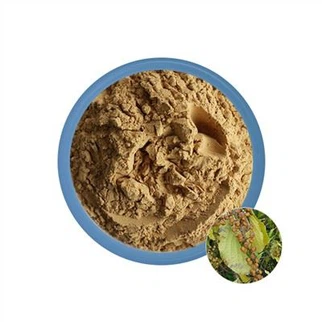
Our pets are more than just animals; they're part of our families. We want to ensure they get the best nutrition possible, and that journey begins with sourcing high-quality raw materials from feed ingredient suppliers.
When it comes to pet food, quality, and nutrition are paramount. But have you ever wondered where these nutritious ingredients come from? In this post, we delve into the critical role of pet food raw material suppliers in the pet food industry.
Understanding the Pet Food Industry
The pet food industry is a multifaceted global market, evolving in response to pet owners' increasing awareness about pet nutrition and health. It's not just about fulfilling basic nutritional needs anymore. Pet parents today are looking for foods that contribute to the overall well-being and longevity of their furry friends.
In 2020, the global pet food market was valued at $96.3 billion and is expected to reach $127.21 billion by 2027, growing at a CAGR of 4.6% from 2021 to 2027. This growth is fuelled by increasing pet adoption, rising pet humanization, and pet owners' growing interest in premium and specialty foods.

Raw Material Suppliers in Pet Food Production
Raw material suppliers are the backbone of the pet food industry. They provide the essential ingredients that make up our pets' meals. These suppliers source, process, and deliver a wide range of raw materials, from proteins (like chicken or fish meal) to grains, fruits, vegetables, and other necessary additives.
These suppliers don't just focus on sourcing materials. They also ensure that these materials are safe, nutritious, and sustainably sourced. Their role is critical in maintaining the quality and safety of pet food products on the market.
Types of Raw Materials in Pet Food
Pet food is a complex blend of various raw materials designed to provide a balanced diet for pets. Here are some of the most common types of raw materials used in pet food:
1. Proteins: These are the primary building blocks of pet food. They can come from various sources, including poultry (chicken, turkey), meat (beef, pork), fish, and even plants (soybeans, peas).
2. Carbohydrates: Grains like corn, wheat, and rice are common sources of carbohydrates in pet food. Some pet foods also use potatoes or legumes.
3. Fruits and Vegetables: Many pet foods include fruits and vegetables for their nutrient content. These can include carrots, peas, apples, and more.
4. Fats and Oils: Fats and oils are essential for providing energy and supporting healthy skin and coats. These can come from animal fats or vegetable oils.
5. Vitamins and Minerals: Essential for maintaining overall health, vitamins, and minerals are usually added to pet food in the form of premixes.
6. Additives: Certain additives are used to enhance the taste, texture, and shelf life of pet food. These include natural flavors, colors, and preservatives.

How to Choose to Feed Ingredient Suppliers
HJHERB Biotechnology is exclusively dedicated to providing over 300 natural ingredients for various animal industries such as feedstuffs, poultry, swine, ruminants, aquaculture species, and pet food. With over 15 years of experience in producing and manufacturing natural ingredients, HJHERB is globally recognized for its astaxanthin and Yucca Schidigera extracts, which are now used by various industries worldwide.
At HJHERB Biotechnology, we understand the crucial role that feeds additives play in the animal industry. Our natural ingredients are carefully formulated to optimize the nutritional value of animal feed, leading to better growth rates, higher feed conversion efficiency, and ultimately, higher profitability for farmers. By incorporating our products into their feed formulations, livestock producers can expect healthier animals with stronger immune systems, resulting in reduced dependence on antibiotics and lower veterinary costs.
We take pride in our rigorous research and development process, which focuses on sourcing the finest natural ingredients to create innovative and effective feed additives. Our team of experts works tirelessly to ensure that our products meet the highest standards of quality, safety, and efficacy. We conduct extensive research to find new and innovative ways to enhance animal health and productivity while reducing the environmental impact of animal agriculture.

Choosing the right raw material supplier can significantly impact the quality of your pet food products. Here are some factors to consider:
1. Quality Assurance: The supplier should have robust quality control measures to ensure the raw materials' safety and quality.
2. Reliability: A good supplier should be reliable in terms of delivery and consistency in product quality.
3. Sustainable and Ethical Sourcing: Check if the supplier is committed to ethical and sustainable sourcing practices.
4. Transparency: Transparency in sourcing, processing, and delivery is a sign of a trustworthy supplier.
5. Pricing: While it's crucial to prioritize quality, the cost-effectiveness of raw materials also matters.
If you want to need a bulk feed ingredient suppliers list, please contact us by email: info@hjagrifeed.com
References:https://www.hjagrifeed.com/news/what-is-yucca-schidigera-pulver-67237945.html
https://www.hjagrifeed.com/news/astaxanthin-for-dogs-66780289.html
https://www.hjagrifeed.com/news/pumpkin-powder-for-dogs-66707975.html
https://www.hjagrifeed.com/news/avocado-soybean-unsaponifiables-for-horses-66707782.html
https://www.hjagrifeed.com/news/can-dogs-eat-honeysuckle-66680287.html
https://www.hjagrifeed.com/news/yucca-supplement-for-dogs-66354938.html