


Botanical Pesticide Additives
New jersey warehouse hjagrifeed Pyrethrum extract, Matrine extract, Osthole extract, Tripterygium extract minerals and chemicals for agriculture are needed for increasing the crop productivity and they are used for improving the nutritional quality of plants. *To add this branded ingredient to your final product, please email us at: info@hjagrifeed.com
Why Choose Us
Quality Assurance
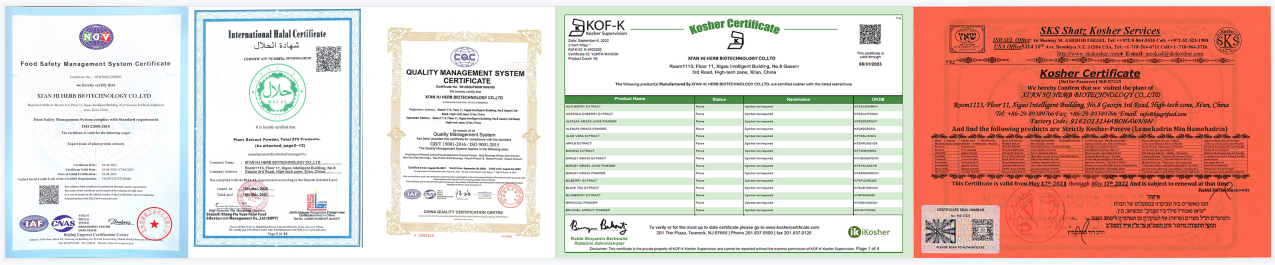
Xi'An Hj Herb Biotechnology Co., Ltd. adheres to strict quality control measures, ensuring that their products are of high quality and meet the industry standards. They obtain certifications like ISO, Kosher, Halal, etc., for their products, which adds credibility to their products.
Competitive Pricing
We offer competitive pricing for our services. We understand that our clients have different budgets, and we try to accommodate them by providing them with customized packages that meet their needs.
24/7 Customer Support
Our customer support team is available round the clock to assist you with any queries or concerns you may have. We believe in providing excellent customer service to ensure our clients have a seamless experience with us.
Expertise
Xi'An Hj Herb Biotechnology Co., Ltd. is a professional manufacturer and supplier of natural plant extracts, health food ingredients, and cosmetic raw materials. Their expertise in these fields ensures that they can provide high-quality products that meet the needs of their clients.
Botanical pesticide additives are natural products that are added to conventional pesticide formulations to enhance their efficacy and reduce their adverse effects on the environment and human health. These additives are derived from plant extracts and include plant oils, saponins, flavonoids, and other bioactive compounds. They can improve the stability, solubility, and penetration of pesticides, increase their adhesion and spreading on plant surfaces, and enhance their mode of action against pests and diseases. Botanical pesticide additives are increasingly used in organic farming, integrated pest management, and sustainable agriculture to control pests and diseases while minimizing the use of synthetic chemicals.
-
![Pyrethrum Extract]() Pyrethrum ExtractRead More
Pyrethrum ExtractRead MoreProduct Name:Pyrethrum extract for saleTest Method:HPLCIn Stock:1TonSpecifications:25%,50%,70%Appearance:Brown PowderDelivery Method:FOB/CIFFunction:Pyrethrum Kill
-
![Tea Saponin Powder]() Tea Saponin PowderRead More
Tea Saponin PowderRead MoreProduct Name:Tea saponin powderSpanish:Polvo de saponina de téAppearance:Brown fine PowderMain ingredient:SaponinsExtract:SeedTest Method:HPLCSpecification:60%In Stock:1TonFunction:Acquaculture
-
![Tricalcium Phosphate For Animals]() Tricalcium Phosphate For AnimalsRead More
Tricalcium Phosphate For AnimalsRead MoreContact us for inquiry and certifications and for free sample. Email : info@hjagrifeed.com What is tricalcium phosphate? Tricalcium phosphate (TCP) is a calcium and phosphorus source derived from
-
![Carotene Powder Manufacturer]() Carotene Powder ManufacturerRead More
Carotene Powder ManufacturerRead More. Product Name:Carotene Powder Manufacturer. Specifications:10%. Test method:HPLC. In Stock:1 Ton. Function:Dairy hen hatching rate. Appearance:Orange yellow powder. Delivery Method:FOB/CIF.
-
![Tea Saponin Supplier]() Tea Saponin SupplierRead More
Tea Saponin SupplierRead More. Product Name:Tea Saponin Supplier. Spanish:Polvo de saponina de té. Appearance:Brown fine Powder. Main ingredient:Saponins. Extract:Seed. Test Method:HPLC. Specification:60%. In Stock:1Ton.
-
![Tea Seed Meal Wholesale]() Tea Seed Meal WholesaleRead More
Tea Seed Meal WholesaleRead More. Product Name:Tea Seed Meal Wholesale. Specifications:15%-18%. Test Method:HPLC. Appearance:Brown Particles. Delivery Method:FOB/CIF. In Stock:1Ton. Certificate:ISO,HACCP,KOSHER,HALAL.
-
![Carotene Powder Wholesale]() Carotene Powder WholesaleRead More
Carotene Powder WholesaleRead More. Product Name:Carotene Powder Wholesale. Specifications:10%. Test method:HPLC. In Stock:1 Ton. Function:Dairy hen hatching rate. Appearance:Orange yellow powder. Delivery Method:FOB/CIF.
-
![Tea Saponin Wholesale]() Tea Saponin WholesaleRead More
Tea Saponin WholesaleRead More. Product Name:Tea Saponin Wholesale. Spanish:Polvo de saponina de té. Appearance:Brown fine Powder. Main ingredient:Saponins. Extract:Seed. Test Method:HPLC. Specification:60%. In Stock:1Ton.
-
![Tea Seed Meal Bulk]() Tea Seed Meal BulkRead More
Tea Seed Meal BulkRead More. Product Name:Tea Seed Meal Bulk. Specifications:15%-18%. Test Method:HPLC. Appearance:Brown Particles. Delivery Method:FOB/CIF. In Stock:1Ton. Certificate:ISO,HACCP,KOSHER,HALAL.
-
![Beta Carotene Bulk]() Beta Carotene BulkRead More
Beta Carotene BulkRead More. Product Name:Beta Carotene Bulk. Specifications:10%. Test method:HPLC. In Stock:1 Ton. Function:Dairy hen hatching rate. Appearance:Orange yellow powder. Delivery Method:FOB/CIF.
-
![Tea Saponin Powder Supplier]() Tea Saponin Powder SupplierRead More
Tea Saponin Powder SupplierRead MoreContact us for inquiry and certifications and for free sample. Email : info@hjagrifeed.com What is Tea Saponin Powder Supplier? A Tea Saponin Powder Supplier provides plant-derived saponin powder
-
![Tea Saponin Bulk]() Tea Saponin BulkRead More
Tea Saponin BulkRead More. Product Name:Natural Tea Saponin. Spanish:Polvo de saponina de té. Appearance:Brown fine Powder. Main ingredient:Saponins. Extract:Seed. Test Method:HPLC. Specification:60%. In Stock:1Ton.


Environmentally Friendly
Botanical pesticide additives are plant-based and are less harmful to the environment compared to synthetic pesticides, which can be toxic and persist in the environment for long periods.
Cost-effective
Botanical pesticides can be sourced locally and are usually less expensive to produce than synthetic pesticides. Additionally, many botanical substances used in pesticide production are easily accessible, which makes them cost-effective.
Safe For Humans And Wildlife
Because botanical pesticides are plant-based, they have little or no hazardous effects on humans and animals, unlike synthetic pesticides which can be toxic and harmful to people and wildlife.
Effective Pest Control
Botanical pesticides have been proven to be highly effective in controlling pests. They offer a reliable method of managing pests without causing toxic residues on crops, soil, or wildlife.
Improve Soil Health
Many botanical pesticide additives have soil-enhancing properties, improving soil health and fertility. As a result, farmers can grow healthier crops that are less susceptible to pests.
Resistant To Insect Resistance
Synthetic pesticides can lead to resistance in insects over time, making them less effective in controlling pests. Botanical pesticides, on the other hand, are less likely to contribute to the development of insect resistance, which makes them a better and sustainable pest control solution.
Easy To Produce
Botanical pesticides can be easily produced and processed, making them an excellent solution for small-scale farmers who may lack the resources to purchase and apply synthetic pesticides. Farmers can produce botanicals by growing the plants or sourcing locally available materials.
Ingredients of Botanical Pesticide Additives


Botanical pesticide additives include a variety of natural ingredients that are derived from plants. These ingredients are often used to enhance the performance of botanical pesticides, making them more effective against pests while also reducing the risk of damage to plants. Some commonly used botanical pesticide additives include:
Neem Oil
This natural oil is extracted from the seeds of the neem tree and has been used for centuries as a natural pesticide. It is effective against a wide range of pests and can also help to repel insects and reduce fungal growth.
Garlic
Garlic contains natural compounds that act as insecticides and can help to deter pests from feeding on plants. It is also believed to have antifungal properties that can help to reduce the risk of fungal diseases.
Peppermint Oil
Peppermint oil is a natural insecticide that can help to repel pests and reduce their populations. It is also believed to have fungicidal properties that can help to prevent or control fungal diseases.
Rosemary Oil
This essential oil is extracted from the leaves of the rosemary plant and is believed to have insecticidal and fungicidal properties. It can be used to repel or control pests, as well as to prevent or treat fungal diseases.
Pyrethrin
This natural insecticide is derived from chrysanthemum flowers and is widely used in organic pest control. It is effective against many types of insects and is considered relatively safe for use on plants and around humans and animals.
The Mechanism of Action of Botanical Pesticide Additives
Botanical pesticide additives, also known as botanical synergists or pesticidal extracts, are natural substances derived from various plant sources that are added to pesticide formulations to enhance their effectiveness. The mechanism of action of these additives varies depending on their chemical composition and biological activity, but they generally work through one or more of the following modes of action:
Enhancing Pesticide Penetration
Botanical additives can improve the penetration and spread of pesticides on plant surfaces by reducing surface tension and increasing wetting. This allows the active ingredients of the pesticide to spread more evenly and effectively on the plant surfaces, improving their efficacy.
Disrupting Insect Behavior And Metabolism
Some botanical additives contain compounds that can disrupt the behavior and metabolism of insect pests, making them more susceptible to pesticides. For example, some plant extracts contain compounds that interfere with the insect's ability to feed or reproduce, reducing their fitness and susceptibility to pesticides.
Stimulating Plant Defenses
Botanical additives can also stimulate the plants' natural defense mechanisms to better protect against pests and diseases. This may include enhancing the production of phytochemicals or activating systemic acquired resistance (SAR) pathways that induce the plants' defense responses.
Enhancing Microbial Activity
Some botanical additives contain compounds that can stimulate the growth and activity of beneficial microorganisms in the soil or on plant surfaces. These microbes can help to control pests and diseases by either directly attacking them or by competing for resources and space with harmful pathogens.
Botanical pesticide additives are used in the formulation of botanical pesticides to enhance their effectiveness and improve their performance. Some of the common uses of botanical pesticide additives include:
Enhancing The Effectiveness Of Botanical Pesticides
Botanical pesticide additives work by synergistically enhancing the effectiveness of botanical pesticides, making them more potent and effective against pests and diseases.
IImproving The Stability And Shelf-life Of Botanical Pesticides
Botanical pesticide additives can help improve the stability of the active ingredient in botanical pesticides, making them more durable and long-lasting.
Improving Plant Uptake And Absorption
Botanical pesticide additives can help improve plant uptake and absorption of the active ingredient in botanical pesticides, making them more effective against pests and diseases.
Reducing Environmental Impact
Botanical pesticide additives can help reduce the environmental impact of botanical pesticides by reducing the need for synthetic chemicals and promoting sustainable agricultural practices.
Improving Compatibility With Other Agricultural Inputs
Botanical pesticide additives can help improve the compatibility of botanical pesticides with other agricultural inputs, such as fertilizers and fungicides, reducing the risk of crop damage.
Products Description
Read and follow product instructions carefully. Botanical pesticides can be more potent than traditional chemical pesticides and may require specific handling or application methods.
Avoid contact with skin and eyes. Wear protective clothing, such as gloves, goggles, and a mask, when handling or applying botanical pesticides.
Store botanical pesticides in a secure, cool, and dry location. Keep them away from children and animals.
Don't mix different types of botanical pesticides unless the product label specifically allows it.
Check the expiry date of the product before use. Expired products may not be as effective or could pose a risk to humans and the environment.
Don't apply botanical pesticides during windy conditions as it can cause drift and affect non-target organisms.
Don't apply botanical pesticides in areas near water resources or when bees and other pollinators are active.
If using a botanical pesticide on food crops, follow the application instructions carefully and observe the waiting period before harvesting.
Clean equipment and clothing thoroughly after use to avoid contamination and disposal of waste products according to local regulations.
Application Scope of Botanical Pesticide Additives
Botanical pesticide additives have a wide range of applications in the agricultural industry. Some of the application areas include:
Crop protection
Botanical pesticide additives are used to protect crops from pests, insects, and diseases. They are effective in managing agricultural pests in a sustainable manner.
Horticulture
Botanical pesticide additives are used in horticulture to control pests and diseases in ornamental plants, garden vegetables, and fruit trees.
Food preservation
Botanical pesticide additives are used to extend the shelf life of fresh produce and prevent food spoilage caused by microbial growth.
Animal husbandry
Botanical pesticide additives are used to control pests in animal housing and prevent the transmission of diseases. They are effective against fleas, ticks, lice, and other pests that infest livestock, poultry, and pets.
Public health
Botanical pesticide additives are used in public health programs to control mosquito-borne diseases such as malaria, dengue fever, and Zika virus. They have been proven to be effective in reducing the incidence of these diseases.
Organic Farming
Botanical pesticide additives are widely used in organic farming practices, where chemicals are restricted or prohibited. They are safe, natural, and eco-friendly alternatives to synthetic pesticides.
Most crops are suitable for botanical pesticide additives. However, some crops that have shown to respond well to botanical pesticide additives include:
Fruits and Vegetables
Crops such as tomatoes, cucumbers, peppers, and berries are good candidates for botanical pesticides.
Herbs
Herbs such as basil, mint, and rosemary often respond well to botanical pesticides.
Grains
Crops such as wheat, oats, and barley can benefit from botanical pesticide additives.
Ornamental Plants
Many ornamental plants, such as roses and lilies, are suitable for botanical pesticide additives.
Trees and Shrubs
Trees and shrubs, such as citrus trees and apple trees, can be treated with botanical pesticides to protect against pests and diseases.
How to Use Botanical Pesticide Additives
Choose The Right Additive
Botanical pesticide additives come in a variety of formulations and compositions. Select the one that best suits your needs. The choice may vary depending on the type of pest you want to target and the plant variety you are trying to protect.
Dilute The Additives
Botanical pesticide additives need to be diluted before use. Read the instructions on the label carefully and mix the additive with water according to the recommended dosage. Use a measuring cup and stir it well to ensure even distribution of the formula.
Follow Safety Measures
Botanical pesticide additives are derived from plants and are generally recognized as safe. However, it is still a pesticide and requires proper handling and precautions. Use gloves and protective gear such as goggles and masks during handling and application.
Apply The Mixture
Once the mixture is ready, use a spray bottle or other application method to spray it on the plants. Ensure complete coverage of the foliage and stems. Apply the pesticide early in the morning or late in the evening when the temperature is cooler, and the breeze is calmer. Avoid spraying when it's windy or during the heat of the day.
Repeat The Application
Most botanical pesticide additives require periodic application, depending on the type of pest infestation. Follow the instructions on the label and repeat the application as needed.
Store The Remaining Solution
Store any remaining mixture according to the label instructions. Some botanical pesticide additives can be stored indefinitely, while others have a shorter shelf life.
Dispose Of Any Unused Mixture
Dispose of any unused mixture in accordance with local regulations. Do not pour it down the drain or dispose of it in the trash. Instead, bring it to a collection point or hazardous waste facility.
Features of Botanical Pesticide Additives
Organic
Botanical pesticide additives are extracted from natural sources such as plants and microorganisms, making them organic and safer for the environment.
Wide Spectrum
They have a broad-spectrum of activity against a wide range of pests, including insects, mites, fungi, and weeds.
Resistance Management
Botanical pesticides act through multiple modes of action, which can help reduce the risk of resistance development in pests.
Biodegradable
They are biodegradable, which means they break down easily in nature and do not persist in the environment.
Safe For Beneficial Insects
Botanical pesticides do not harm beneficial insects such as honeybees and other pollinators, making them a safer option for integrated pest management programs.
Non-toxic To Humans And Animals
Botanical pesticides are generally less toxic to humans and animals compared to synthetic pesticides.
Cost-effective
Botanical pesticides are often less expensive compared to synthetic counterparts, which can provide significant cost savings for growers.
Active Ingredients Are Recognizable
Most botanical pesticides indicate their active ingredient on the label, which gives growers better understanding of its composition and effects on plant health and insect reduction.
Shorter Re-entry Interval
Botanical pesticide applications of smaller quantities by law, shortens re-entry intervals which refers to how long after an application a crew can re-enter the area.
Mode Of Action
Botanical pesticides mimic natural defense mechanisms of plants to ward off pests, which can lead to healthier plant growth and an increase in crop yields.
Our Factory
HJHERB Biotechnology is exclusively dedicated to providing over 500 natural ingredients for various animal industries such as feedstuffs, poultry, swine, ruminants, aquaculture species, and pet food.
Our company controls all stages of research development, industrial manufacturing, testing, application laboratories, and quality assurance processes. Our analytic chemists use advanced detection methods such as HPLC, UV, TLC, and Microbiology to guarantee botanical quality, integrity, and purity.
With over 15 years of experience in producing and manufacturing natural ingredients, HJHERB is globally recognized for its Astaxanthin Powder and Yucca Schidigera Extracts, which are now used by various industries worldwide.
Certificate
fAQ
Q: What are botanical pesticide additives?
Q: Why use botanical pesticide additives?
Q: What types of botanical pesticide additives are available?
Q: Are botanical pesticide additives safe for humans and the environment?
Q: Do botanical pesticide additives work on all types of pests?
Q: Can botanical pesticide additives be used in organic farming?
Q: How are botanical pesticide additives applied?
Q: Are there any restrictions on the use of botanical pesticide additives?
Q: Are there any precautions I should take when using botanical pesticide additives?
Q: Can botanical pesticide additives be used in rotation with synthetic pesticides?
Q: What is the shelf life of botanical pesticide additives?
Q: Are botanical pesticide additives more expensive than synthetic pesticides?
Q: How do I know which botanical pesticide additive to use?
Q: Are there any negative side effects of using botanical pesticide additives?
Q: Can botanical pesticide additives be used in combination with other pesticides?
Q: Can I use botanical pesticide additives on edible crops?
Q: How often should I apply botanical pesticide additives?
Q: Can I make my own botanical pesticide additive?
Q: Are there any downsides to using botanical pesticide additives?
Q: Where can I purchase botanical pesticide additives?
Xi'an Hj Herb Biotechnology Co., Ltd. is one of the most professional botanical pesticide additives manufacturers and suppliers in China, specialized in providing high quality customized products. We warmly welcome you to buy or wholesale bulk high-grade botanical pesticide additives in stock here and get free sample from our factory. For price consultation, contact us.
Matrine Liquid 10%, Matrine 98%, Pure Capsaicin Powder For Sale