As a supplier of Gynostemma Extract, I often receive inquiries from customers, especially new mothers, about the safety of using Gynostemma Extract while breastfeeding. This is a crucial question that deserves in - depth exploration.
What is Gynostemma Extract?
Gynostemma pentaphyllum, also known as Jiaogulan, is a herbaceous vine native to Asia. For centuries, it has been used in traditional Chinese medicine for its numerous health - promoting properties. Gynostemma Extract is derived from this plant and is rich in saponins, polysaccharides, flavonoids, and amino acids. These bioactive compounds are believed to contribute to its antioxidant, anti - inflammatory, and adaptogenic effects. Some studies have also suggested that Gynostemma Extract may help with cardiovascular health, immune system support, and even anti - aging.
Concerns during Breastfeeding
Breastfeeding is a delicate period when a mother's diet and supplement intake can directly affect the health of her baby. When considering using Gynostemma Extract during this time, several factors need to be taken into account.
Transfer of Compounds to Breast Milk
One of the primary concerns is whether the bioactive compounds in Gynostemma Extract can pass into breast milk. Although there is limited research specifically on Gynostemma Extract in breastfeeding women, we can draw some inferences from general knowledge about herbal extracts. Many plant - derived compounds can cross the mammary gland barrier and enter breast milk. For instance, some saponins and flavonoids in other herbal extracts have been shown to be excreted in breast milk. However, the exact amount and the potential impact of Gynostemma Extract compounds on infants are still unclear.

Potential Effects on the Infant
The immature digestive and immune systems of infants make them more vulnerable to the effects of foreign substances. While Gynostemma Extract is generally considered safe for adults, its impact on infants is not well - studied. There is a possibility that the compounds in the extract could cause allergic reactions, digestive disturbances such as diarrhea or colic, or interact with the infant's developing physiological processes.
Lack of Clinical Trials
The lack of large - scale, well - designed clinical trials on the use of Gynostemma Extract during breastfeeding is a significant issue. Most of the existing research on Gynostemma Extract focuses on its effects in adults, and there is a dearth of data on its safety and efficacy in breastfeeding women and their infants. Without this evidence, it is difficult to provide definitive recommendations.
Available Evidence
Despite the limited research, some studies on related herbs and their effects during breastfeeding can offer some insights. For example, herbs with similar bioactive profiles to Gynostemma Extract have been studied. Some adaptogenic herbs have been found to have a mild regulatory effect on the body's stress response. However, their impact on breastfeeding infants is still being investigated.
In a few small - scale observational studies, mothers who consumed certain herbal supplements reported no obvious adverse effects in their infants. But these studies are not conclusive, as they often have small sample sizes and lack long - term follow - up.
Precautions and Recommendations
Consult a Healthcare Provider
Before using Gynostemma Extract while breastfeeding, it is highly recommended that mothers consult their healthcare providers, such as obstetricians, gynecologists, or lactation consultants. These professionals can assess the mother's individual health status, the baby's well - being, and provide personalized advice based on the latest medical knowledge.
Start with a Low Dose
If a healthcare provider gives the green light, mothers can start with a very low dose of Gynostemma Extract and closely monitor their infants for any signs of adverse reactions. This includes changes in behavior, feeding patterns, stool consistency, and skin rashes. If any negative effects are observed, the use of the extract should be stopped immediately.
Consider Alternatives
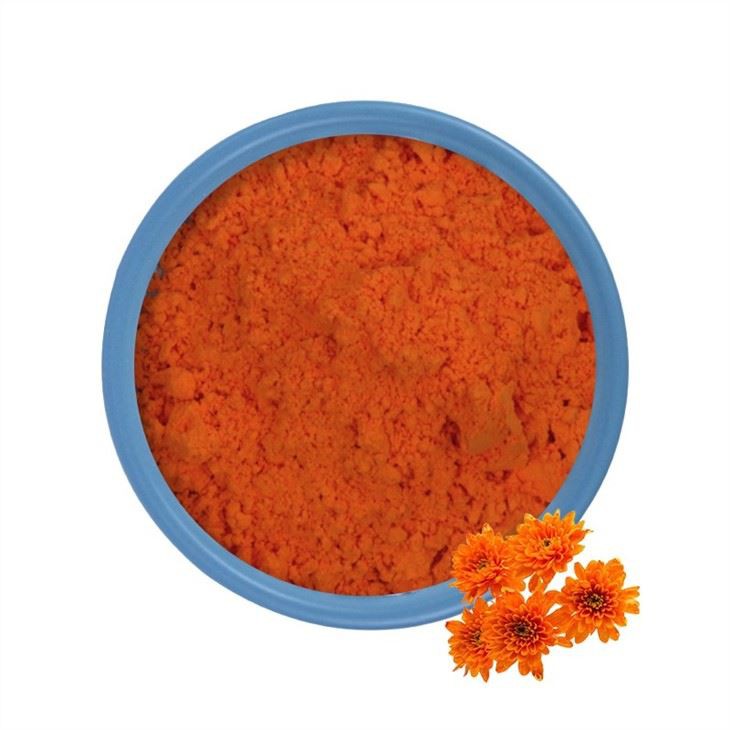
There are other natural supplements that are more well - studied and have a better - established safety profile during breastfeeding. For example, Marigold Extract is known for its antioxidant properties and has been used in some nutritional supplements. Soy Lecithin Powder is also a common supplement that is generally considered safe during breastfeeding and may have benefits for both the mother and the baby. And if you are looking for other natural products, Aloe Vera Powder Supplier offers a range of aloe - based products that might be suitable.
Our Commitment as a Supplier
As a Gynostemma Extract supplier, we are committed to providing high - quality products and accurate information. We understand the importance of safety, especially during sensitive periods like breastfeeding. Our Gynostemma Extract is sourced from high - quality Gynostemma pentaphyllum plants and is produced using strict quality control measures to ensure its purity and potency.
We also encourage our customers to make informed decisions. We are always available to answer any questions about our products and can provide relevant research materials to help customers understand the properties of Gynostemma Extract.
Conclusion
The question of whether Gynostemma Extract can be used while breastfeeding remains unanswered with certainty due to the lack of comprehensive research. While Gynostemma Extract has many potential health benefits for adults, the safety of its use during breastfeeding needs further investigation. Mothers should exercise caution, consult healthcare providers, and closely monitor their infants if they choose to use Gynostemma Extract.
If you are interested in our Gynostemma Extract products or have any questions regarding their use, please feel free to contact us. We are more than happy to engage in discussions and provide you with detailed information to assist you in making the right choice for your health and the health of your baby.
References
- Chen, X., & Zhang, Y. (2018). Chemical constituents and pharmacological activities of Gynostemma pentaphyllum. Journal of Ethnopharmacology, 218, 1 - 11.
- Riordan, J., & Wambach, K. (2017). Breastfeeding and Human Lactation. Jones & Bartlett Learning.
- American Academy of Pediatrics. (2019). Medications and Mothers' Milk. Pediatrics, 143(6), e20191800.