Hey there! As a supplier of Camellia Seed Oil, I often get asked about how camellia seeds are harvested. It's a fascinating process that combines traditional methods with modern techniques. So, let me take you through the journey of getting those precious camellia seeds from the trees to your bottles of high - quality oil.
When to Harvest
First things first, timing is crucial when it comes to harvesting camellia seeds. Camellia trees usually start to bear fruit after about 3 - 5 years, and the seeds are ready for harvest when the fruit capsules turn brown and start to crack open. This typically happens between October and December, depending on the climate and the specific variety of camellia.
In regions with a milder climate, the harvest might start a bit earlier. The key is to keep an eye on the color and texture of the fruit capsules. Once they reach that perfect stage of ripeness, it's time to get to work. If you harvest too early, the seeds won't be fully developed, and the oil yield will be low. On the other hand, if you wait too long, the seeds might fall to the ground and get damaged or lost.
Pre - harvest Preparations
Before the actual harvest, we need to make sure everything is in place. This includes getting the right equipment. We use long - handled pruners or shears to cut the fruit capsules from the branches. These tools need to be sharp and clean to avoid damaging the trees and to ensure a smooth harvest.
We also set up collection containers. Large baskets or bags are used to gather the harvested fruit capsules. These containers need to be sturdy enough to hold the weight of the seeds and easy to carry around the orchard.
Another important aspect is safety. The camellia trees can be quite tall, and sometimes we need to use ladders to reach the higher branches. So, we make sure all the safety equipment, like harnesses and well - maintained ladders, is available.
The Harvesting Process
Now, let's get into the actual harvesting. The process usually starts early in the morning when the weather is cool. Workers move through the orchard, carefully inspecting each tree. They look for the ripe fruit capsules and use the pruners to cut them off the branches.
It's a labor - intensive process, as each capsule needs to be handled with care. The workers need to be gentle to avoid dropping the seeds inside the capsules. Once a basket or bag is full, it's taken to a central collection point in the orchard.
In some cases, especially in larger orchards, mechanical harvesters are used. These machines can shake the trees, causing the ripe fruit capsules to fall onto a collection platform. However, this method is not as precise as hand - harvesting, and there's a higher risk of damaging the trees and losing some seeds.
Post - harvest Handling
Once the fruit capsules are harvested, they are taken to a processing facility. The first step is to separate the seeds from the capsules. This is usually done by cracking open the capsules. In small - scale operations, this can be done by hand, but in larger facilities, mechanical crackers are used.

After the seeds are separated, they are cleaned to remove any dirt, leaves, or other debris. This is an important step because any impurities can affect the quality of the oil. The seeds are then dried. Drying is crucial to reduce the moisture content of the seeds. If the seeds are too moist, they can develop mold during storage, which will ruin the oil.
We usually dry the seeds in the sun or in a well - ventilated drying room. The drying process can take several days, depending on the weather conditions and the initial moisture content of the seeds. Once the seeds are dry, they are ready for oil extraction.
Oil Extraction
There are different methods of extracting oil from camellia seeds. One of the most common methods is cold - pressing. In cold - pressing, the dried seeds are crushed between two hard surfaces to release the oil. This method is preferred because it doesn't use any chemicals and preserves the natural nutrients and flavor of the oil.
Another method is solvent extraction. In this method, a solvent is used to dissolve the oil from the seeds. However, this method can leave some traces of the solvent in the oil, and it might also affect the quality of the oil.
After the oil is extracted, it goes through a refining process to remove any remaining impurities. This includes filtering, degumming, deacidifying, and deodorizing. The final product is a high - quality camellia seed oil that is ready to be bottled and sold.
Our Commitment to Quality
As a camellia seed oil supplier, we are committed to providing the best - quality oil to our customers. That's why we pay close attention to every step of the harvesting and processing process. We use only the ripest seeds, and we follow strict quality control measures during oil extraction and refining.
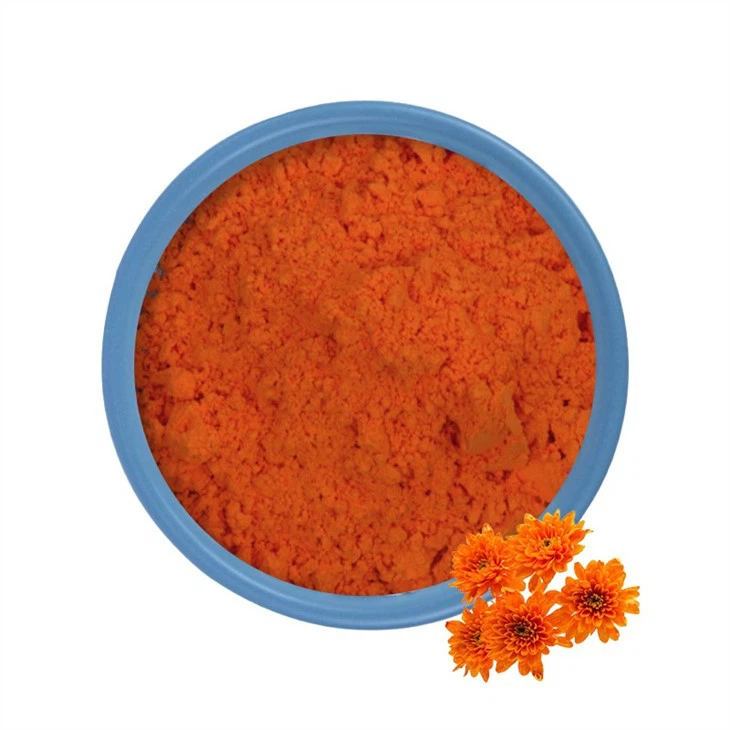
We also offer a range of products related to natural feed additives, such as Chamomile Powder, Soy Isoflavones Powder, and Marigold Flower Powder. These products are made from high - quality natural ingredients and are designed to meet the needs of our customers in the feed industry.
Contact Us for Purchasing
If you're interested in purchasing our camellia seed oil or any of our natural feed additives, we'd love to hear from you. Whether you're a small - scale business or a large - scale distributor, we can offer you competitive prices and high - quality products. Just reach out to us, and we'll be happy to discuss your requirements and provide you with a quote.
References
- "The Cultivation and Processing of Camellia oleifera" - A research paper on camellia cultivation and oil extraction techniques.
- "Handbook of Edible Oils: Processing, Quality, and Nutrition" - A comprehensive guide on edible oil production, including camellia seed oil.