

Hey there! As a betaine supplier, I've been getting a lot of questions lately about how betaine affects the cardiovascular system. So, I thought I'd take a deep dive into this topic and share some insights with you all.
First off, let's talk about what betaine is. Betaine, also known as trimethylglycine, is a naturally occurring compound that can be found in various foods like beets, spinach, and whole grains. It's also available as a dietary supplement. In the body, betaine plays several important roles, including helping to regulate cell volume, acting as a methyl donor in biochemical reactions, and supporting liver function.
Now, onto the big question: how does betaine impact the cardiovascular system? Well, there's a growing body of research that suggests betaine can have some pretty positive effects on heart health.
One of the key ways betaine benefits the cardiovascular system is by helping to lower homocysteine levels. Homocysteine is an amino acid that, when present in high levels in the blood, has been linked to an increased risk of heart disease and stroke. High homocysteine levels can cause damage to the blood vessel walls, promote the formation of blood clots, and lead to inflammation in the cardiovascular system. Betaine steps in and helps to convert homocysteine into methionine, a process that requires the donation of a methyl group. By doing this, betaine helps to keep homocysteine levels in check, reducing the risk of cardiovascular problems.
A number of studies have looked at the relationship between betaine intake and homocysteine levels. For example, a randomized, double - blind, placebo - controlled trial found that participants who took betaine supplements for a certain period of time experienced a significant reduction in their plasma homocysteine levels compared to those who took a placebo. This reduction in homocysteine is thought to contribute to a lower risk of atherosclerosis, which is the hardening and narrowing of the arteries due to the buildup of plaque.
Another way betaine may benefit the heart is through its impact on blood pressure. Some research has suggested that betaine can help to regulate blood pressure. It may do this by influencing the production and release of certain substances in the body that are involved in blood vessel constriction and dilation. For instance, betaine could potentially affect the production of nitric oxide, a molecule that helps to relax blood vessels and lower blood pressure. A study on animals found that betaine supplementation led to a decrease in both systolic and diastolic blood pressure, which are important indicators of cardiovascular health.
In addition to these effects, betaine might also have an anti - inflammatory effect on the cardiovascular system. Chronic inflammation is a major contributor to the development of heart disease. Betaine may help to reduce the production of inflammatory cytokines in the body. Cytokines are proteins that play a role in the immune response and inflammation. By dampening the inflammatory response, betaine could help to protect the heart and blood vessels from damage.
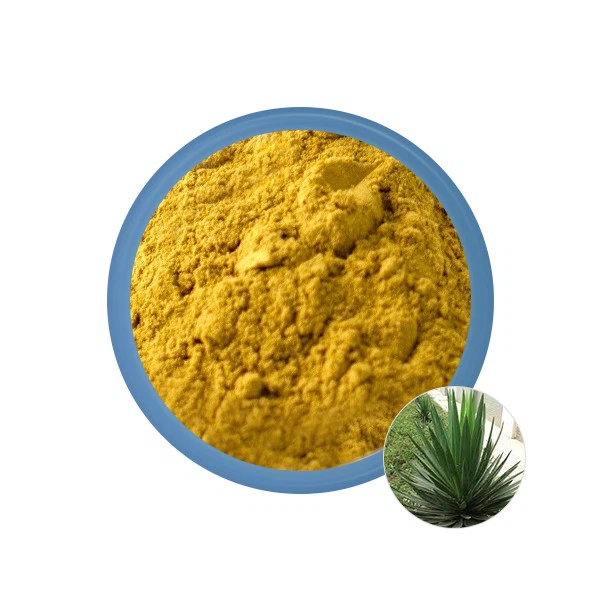
Now, if you're thinking about incorporating betaine into your or your livestock's diet, it's important to consider the source. As a betaine supplier, I can tell you that high - quality betaine is essential to get the maximum benefits. And if you're in the animal feed business, you might also be interested in some of our other products. We offer Yucca Powder, which can be used to reduce ammonia emissions in animal housing and improve the overall environment for the animals. Our Canthaxanthin Powder is a great option for enhancing the color of poultry and fish products. And for a more natural approach to calming animals, our Chamomile Extract can be a valuable addition to the feed.
When it comes to dosing, it's always a good idea to consult with a healthcare professional if you're considering betaine for human use. For animal feed, the appropriate dosage will depend on the type of animal, its age, and the specific health goals you have.
If you're interested in purchasing betaine or any of our other products, I'd encourage you to reach out to us. We're always ready to have a chat about your needs, answer any questions you might have, and discuss the best solutions for you or your business. Whether you're a small - scale animal farmer or a large - scale feed manufacturer, we've got the products and the knowledge to support you.

In conclusion, betaine has shown great potential in benefiting the cardiovascular system. From lowering homocysteine levels to regulating blood pressure and reducing inflammation, it's a compound that's definitely worth considering for both human health and animal nutrition. So, if you're looking to improve heart health or enhance the quality of your animal feed, don't hesitate to get in touch and start a conversation about how our betaine and other products can help.
References
- Randomized, double - blind, placebo - controlled trial on betaine and homocysteine levels (Add the actual citation of the study here)
- Animal study on betaine and blood pressure (Add the actual citation of the study here)
- Studies on betaine and inflammation in the cardiovascular system (Add the actual citation of the studies here)


