

Hey there! As a supplier of Rotenone Extract, I've spent a good amount of time diving into how this stuff interacts with soil components. It's not just some random chemical floating around in the soil; it has some pretty interesting relationships with the various elements in there.
First off, let's talk about what Rotenone Extract is. It's a natural compound that comes from the roots of certain plants. People have been using it for ages as a pesticide because it can take out a bunch of unwanted bugs and pests. But when it gets into the soil, things start to get a bit more complicated.
One of the main soil components that Rotenone Extract interacts with is clay. Clay particles are super tiny and have a large surface area. This means they can adsorb, or stick to, a whole bunch of different substances, including Rotenone Extract. When Rotenone gets adsorbed onto clay, it can change how it moves through the soil. It might not be able to travel as easily through the soil pores, which can actually be a good thing in some cases. It can help keep the Rotenone in one place, so it can do its job of killing pests in that specific area.
But there's a flip side to this. If too much Rotenone gets stuck to the clay, it might not be as effective at reaching the pests that are deeper in the soil. And over time, the Rotenone that's adsorbed to the clay can break down, which can release it back into the soil. This can lead to it spreading to areas where you might not want it to go.
Another important soil component is organic matter. Organic matter in the soil is made up of things like dead plants and animals, and it's full of nutrients and microorganisms. Rotenone Extract can interact with organic matter in a few different ways. For one, some of the microorganisms in the organic matter can break down the Rotenone. This is a natural process called biodegradation. It's kind of like when you compost your food scraps, and they break down over time. The same thing can happen to Rotenone in the soil.
On the other hand, the organic matter can also adsorb Rotenone, just like clay does. But the way it adsorbs it is a bit different. Organic matter has a lot of different chemical groups on its surface, and these can form different types of bonds with the Rotenone molecules. This can affect how the Rotenone behaves in the soil. For example, if the Rotenone is strongly adsorbed to the organic matter, it might be less available to the pests. But if the bonds are weaker, it might be more easily released and able to move around in the soil.
Now, let's talk about how these interactions can impact the use of Rotenone Extract as a pesticide. If you're using it in a soil that has a high clay content, you might need to adjust your application method. You might want to use a different type of formulation that can help the Rotenone penetrate the clay and reach the pests. And if the soil has a lot of organic matter, you need to be aware that the biodegradation process might be faster. This means you might need to re - apply the Rotenone more often to keep the pest population under control.
It's also important to note that the pH of the soil can play a big role in how Rotenone Extract interacts with soil components. In acidic soils, the chemical properties of Rotenone can change. It might be more or less soluble in the soil water, which can affect how it moves through the soil and how it's taken up by plants. In alkaline soils, the situation is different again. The Rotenone might form different chemical complexes with the soil components, which can also impact its effectiveness as a pesticide.

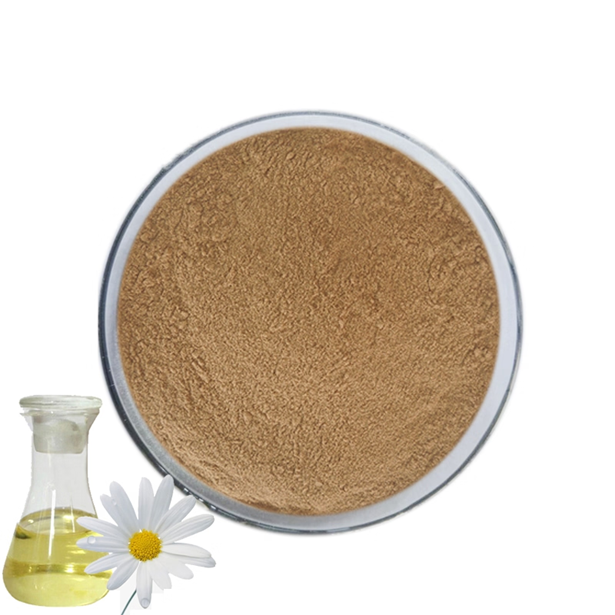
When it comes to other products in our range, we also have some great alternatives like Chamomile Extract Powder. Chamomile extract has its own unique properties when it comes to interacting with soil. It can have a positive effect on the soil microorganisms, promoting a healthy soil ecosystem. And then there's Hydrolyzed Chicken Liver, which can add nutrients to the soil while also having some pest - repelling properties. And of course, Pyrethrin Extract Powder is another popular option. It's a natural insecticide that works well in different soil types.
If you're a farmer, gardener, or just someone interested in using natural pesticides, understanding how these products interact with soil is crucial. You want to make sure you're getting the most out of your pesticide application while also being environmentally friendly.
We're always here to help you figure out the best way to use our Rotenone Extract and other products. Whether you have questions about soil types, application rates, or just want to learn more about how these products work, don't hesitate to reach out. We can have a chat about your specific needs and come up with a solution that's right for you. So, if you're interested in purchasing our Rotenone Extract or any of our other products, let's start a conversation about it. We're looking forward to working with you to keep your plants healthy and pest - free!
References
- "Soil Chemistry" by Brady and Weil. This book provides a comprehensive overview of soil components and how they interact with various substances.
- "Natural Pesticides: Their Use and Impact" by a group of leading researchers in the field. It has a lot of information on how natural pesticides like Rotenone work in different soil environments.


