

Is Thymol Extract natural?
In the realm of natural ingredients, thymol extract has been steadily gaining traction, especially in industries such as food, pharmaceuticals, and animal feed. As a supplier of thymol extract, I am often asked whether our product is truly natural. In this blog, I aim to delve into the nature of thymol extract, exploring its source, extraction process, and the implications of its natural status.
What is Thymol?
Thymol is a monoterpene phenol, a type of organic compound. It is a key component in the essential oils of several plants, most notably thyme (Thymus vulgaris). Thyme has been used for centuries in traditional medicine and cuisine, valued for its aromatic and antibacterial properties. Thymol itself has a wide range of applications, from acting as a preservative in food products to serving as an antiseptic in medical settings and as a feed additive in the animal husbandry industry.
The Natural Source of Thymol
The roots of thymol are firmly planted in nature. Thyme, the primary source of thymol, is a herb that grows in the wild and is also cultivated around the world. It thrives in sunny, well - drained locations and is commonly found in the Mediterranean region. The plant has small, fragrant leaves that contain glands where the essential oils, rich in thymol, are produced.
When we talk about naturalness, the source of an ingredient is a crucial factor. Since thymol comes directly from a plant, it can be considered a natural substance. The plant grows through natural biological processes, taking in sunlight, water, and nutrients from the soil to produce the compounds that make up its essential oils.
The Extraction Process
The method used to extract thymol from thyme is another aspect that determines its natural status. There are several extraction techniques available, but the most common ones in the production of natural thymol extract are steam distillation and solvent extraction.
Steam distillation is a traditional and natural method. In this process, steam is passed through the thyme leaves. The heat from the steam causes the essential oil glands in the leaves to burst, releasing the essential oil, which then vaporizes along with the steam. The steam - oil mixture is then condensed back into a liquid, and since oil and water do not mix, the essential oil can be easily separated from the water. This method is very gentle on the plant material and does not involve the use of harsh chemicals, preserving the natural integrity of the thymol.
Solvent extraction can also be used, but it requires more careful consideration. In this method, a solvent such as ethanol is used to dissolve the essential oil from the plant material. After the extraction, the solvent is removed through evaporation. However, for a product to be considered natural, the solvent used must be food - grade, and the extraction process must not leave any harmful residues in the final product. At our company, we ensure that our extraction processes comply with strict quality standards to maintain the naturalness of our thymol extract.
Applications in Different Industries
Food Industry
In the food industry, naturalness is a highly sought - after attribute. Consumers are increasingly concerned about the ingredients in their food and prefer products that are made with natural substances. Thymol extract is used as a natural preservative and flavor enhancer. Its antibacterial and antifungal properties help to extend the shelf - life of food products, reducing the need for synthetic preservatives. For example, it can be used in meat products, dairy products, and baked goods to prevent spoilage and maintain freshness.
Pharmaceutical Industry
The pharmaceutical industry also values the natural origin of thymol extract. It has been studied for its potential health benefits, including its antibacterial, antiviral, and anti - inflammatory properties. Thymol is used in the formulation of various medications, such as cough syrups, throat lozenges, and topical antiseptics. Its natural nature makes it a more appealing option for patients who prefer natural remedies.
Animal Feed Industry
In the animal feed industry, the use of natural feed additives is on the rise. Thymol extract is added to animal feed to improve the health and performance of livestock. It can help to promote digestion, enhance immune function, and reduce the incidence of diseases in animals. As a natural ingredient, it is a safer alternative to some synthetic additives, which may have potential side effects. Alongside thymol extract, other natural feed additives like Lycopene Powder, X - humate, and Marigold Flower Powder are also popular in the market, offering various benefits to animal health and product quality.
The Debate on Naturalness
Despite the clear natural source and extraction methods of thymol extract, there is still some debate around its natural status. Some may argue that any processing, even mild extraction techniques, changes the original state of the plant and thus compromises its naturalness. However, in the context of industry standards, natural doesn't mean completely unprocessed. The key is that the processing methods should not introduce artificial or harmful substances.
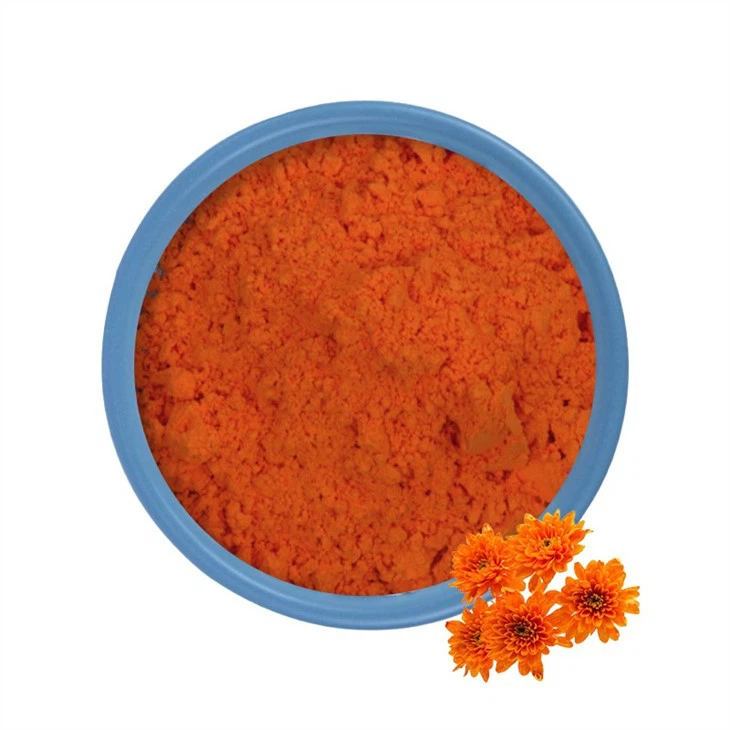

Our thymol extract is produced in accordance with strict natural product standards. We ensure that the entire production process, from sourcing the thyme plants to the final packaging, adheres to ethical and sustainable practices. The plants are grown without the use of synthetic pesticides or fertilizers, and the extraction is carried out using methods that preserve the natural properties of the thymol.
Conclusion
In conclusion, thymol extract can be considered a natural product. It is derived from a natural plant source, thyme, and is extracted using methods that maintain its natural integrity. The numerous applications of thymol extract in various industries highlight its importance as a natural ingredient.
As a supplier of thymol extract, we are committed to providing high - quality, natural products to our customers. Whether you are in the food, pharmaceutical, or animal feed industry, our thymol extract can meet your specific needs. If you are interested in learning more about our thymol extract or are considering purchasing from us, we welcome you to contact us for further discussion and to start a procurement negotiation.
References
- Baser, K. H. C., & Demirci, B. (Eds.). (2011). Handbook of herbs and spices: Volume 3. CRC Press.
- Burt, S. (2004). Essential oils: their antibacterial properties and potential applications in foods - a review. International journal of food microbiology, 94(3), 223 - 253.
- Tassou, C. C., & Nychas, G. - J. E. (1995). Inhibition of Listeria monocytogenes by thymol, carvacrol, and eugenol. Journal of food protection, 58(7), 765 - 770.


