

In the realm of modern agriculture, the pursuit of sustainable and environmentally friendly farming practices has led to a growing interest in organic fertilizers. Among the various components that contribute to the effectiveness of these fertilizers, chitosan has emerged as a remarkable ingredient. As a chitosan supplier, I am excited to delve into the multifaceted role of chitosan in the production of organic fertilizers and explore how it can revolutionize the way we nourish our crops.
Chitosan: A Natural Wonder
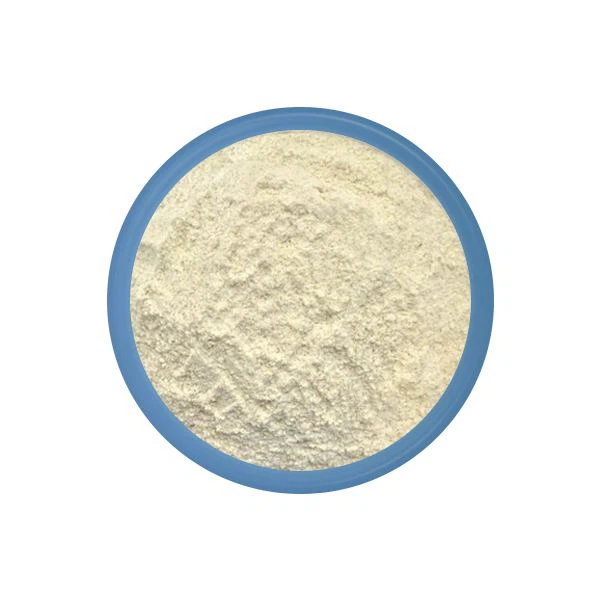
Chitosan is a natural polysaccharide derived from chitin, which is abundant in the exoskeletons of crustaceans such as shrimp and crabs. It is a biodegradable, non - toxic, and biocompatible polymer that has gained significant attention in various industries, including agriculture. The unique chemical structure of chitosan, consisting of glucosamine and N - acetylglucosamine units, endows it with several beneficial properties that make it an ideal component for organic fertilizers.
Enhancing Nutrient Availability
One of the primary roles of chitosan in organic fertilizers is to improve nutrient availability to plants. Chitosan has the ability to chelate or bind with various metal ions, including essential nutrients such as calcium, magnesium, iron, and zinc. This chelation process prevents the nutrients from being immobilized in the soil through reactions with other soil components, such as clay particles or organic matter. As a result, the nutrients remain in a soluble and available form for plant uptake.
For example, when chitosan is added to an organic fertilizer, it can form complexes with iron ions. These complexes are more stable and less likely to precipitate in alkaline soils, where iron availability is often limited. This ensures that plants have a continuous supply of iron, which is essential for chlorophyll synthesis and photosynthesis. Similarly, chitosan can enhance the availability of other micronutrients, thereby promoting healthy plant growth and development.
Promoting Soil Health
Chitosan also plays a crucial role in promoting soil health. It can stimulate the growth and activity of beneficial soil microorganisms, such as bacteria and fungi. These microorganisms are responsible for various soil processes, including nutrient cycling, organic matter decomposition, and disease suppression.
When chitosan is introduced into the soil, it acts as a carbon source for these beneficial microorganisms. This encourages their proliferation and metabolic activity. For instance, chitosan can enhance the growth of nitrogen - fixing bacteria, which convert atmospheric nitrogen into a form that plants can use. This reduces the need for synthetic nitrogen fertilizers, which can have negative environmental impacts.
Moreover, chitosan can improve soil structure by promoting the aggregation of soil particles. This leads to better soil aeration, water infiltration, and root penetration. A well - structured soil provides a favorable environment for plant roots to grow and access nutrients and water more efficiently.

Disease Resistance
Another significant advantage of using chitosan in organic fertilizers is its ability to enhance plant disease resistance. Chitosan can activate the plant's natural defense mechanisms, known as systemic acquired resistance (SAR). When plants are exposed to chitosan, they produce a variety of defense - related compounds, such as phytoalexins, pathogenesis - related proteins, and reactive oxygen species.
These defense compounds help the plants to ward off attacks from various pathogens, including fungi, bacteria, and viruses. For example, chitosan has been shown to inhibit the growth of fungal pathogens such as Fusarium and Phytophthora, which are responsible for many plant diseases. By incorporating chitosan into organic fertilizers, farmers can reduce the incidence of plant diseases and minimize the use of chemical pesticides.
Compatibility with Other Fertilizer Components
Chitosan is highly compatible with other components commonly used in organic fertilizers. It can be easily blended with natural fertilizer additives such as Black Carbon Powder, NPK 20 - 20 - 20 Fertilizer, and Bacillus Mucilaginosus.
Black carbon powder, also known as biochar, is a porous material that can improve soil fertility and water - holding capacity. When combined with chitosan, it can enhance the adsorption and retention of nutrients in the soil, further improving nutrient availability to plants.
NPK 20 - 20 - 20 fertilizer provides a balanced supply of nitrogen, phosphorus, and potassium, which are essential macronutrients for plant growth. Chitosan can help to improve the efficiency of nutrient uptake from this fertilizer by chelating the nutrients and making them more accessible to plants.
Bacillus mucilaginosus is a beneficial soil bacterium that can solubilize phosphorus and potassium in the soil. Chitosan can stimulate the growth and activity of this bacterium, thereby enhancing its ability to release these nutrients for plant use.
Environmental Sustainability
The use of chitosan in organic fertilizers aligns with the principles of environmental sustainability. Chitosan is a renewable resource, as it can be derived from the waste products of the seafood industry. By utilizing these waste materials, we can reduce environmental pollution and promote a circular economy.
Furthermore, organic fertilizers containing chitosan can reduce the reliance on synthetic fertilizers and pesticides, which can have detrimental effects on the environment. Synthetic fertilizers can contribute to water pollution through runoff, while pesticides can harm beneficial insects and wildlife. Organic fertilizers with chitosan offer a more sustainable alternative that can help to protect the environment and preserve natural resources.
Conclusion
In conclusion, chitosan plays a vital role in the production of organic fertilizers. Its ability to enhance nutrient availability, promote soil health, improve disease resistance, and be compatible with other fertilizer components makes it an invaluable ingredient. As a chitosan supplier, I am committed to providing high - quality chitosan products that can help farmers and agricultural producers achieve sustainable and productive farming practices.
If you are interested in incorporating chitosan into your organic fertilizer formulations or learning more about its benefits, I encourage you to reach out for a procurement discussion. We can work together to develop customized solutions that meet your specific needs and contribute to the success of your agricultural operations.
References
- Rabea EI, Badawy ME, Stevens CV, Smagghe G, Steurbaut W. Chitosan - based antimicrobial films and coatings: challenges and emerging applications. Biotechnology Advances. 2009;27(4):441 - 452.
- Khan A, Akhtar M, Shahzad A, et al. Chitosan: a potential biopolymer for agricultural and environmental applications. International Journal of Biological Macromolecules. 2019;135:134 - 144.
- Liu X, Yang X, Wu X, et al. Chitosan - mediated improvement of soil fertility and plant growth: a review. Journal of Agricultural and Food Chemistry. 2018;66(33):8433 - 8443.


