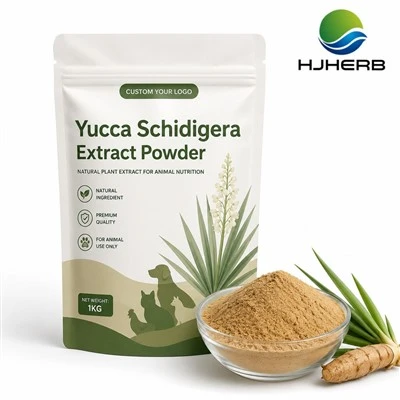
Xi'an Hj Herb Biotechnology Co., Ltd. is one of the leading manufacturers and suppliers of tea saponin extract (camellia oleifera) in China. The company offers high quality customized products with reasonable price for customers around the world. Welcome to wholesale bulk tea saponin extract (camellia oleifera) in stock here from our factory. Contact us for free sample.
Product Overview
Tea Saponin Extract is a plant-derived ingredient obtained from the seeds of Camellia oleifera, a member of the tea family. Naturally rich in triterpenoid saponins, it is valued for its surface-active properties, including emulsifying, foaming, dispersing, and wetting capabilities.
In animal nutrition, tea saponins have attracted research interest because of their interactions with biological membranes, digestive processes, and microbial environments. These properties make Tea Saponin an ingredient of interest for manufacturers developing botanical feed additives, specialty premixes, and aquaculture-related formulations.
For feed manufacturers, ingredient consistency, saponin concentration, processing compatibility, and species-specific tolerance are important considerations when evaluating this botanical extract.
HJHERB Biotechnology supplies Tea Saponin Extract powder for bulk ingredient sourcing, product development, and commercial formulation projects.
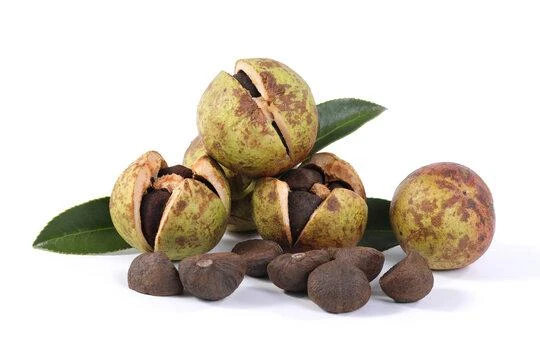
What is Tea Saponin?
Tea Saponin is a group of naturally occurring glycoside compounds found in Camellia seeds. These compounds consist of a hydrophobic triterpenoid structure attached to sugar groups, giving them characteristic surface-active properties.
Unlike conventional synthetic surfactants, tea saponins originate from plant materials. Their amphiphilic structure allows them to interact with water and certain lipid-based substances.
This chemical structure is responsible for several properties:
- Surface activity: Helps reduce surface tension in suitable aqueous systems.
- Emulsifying properties: Supports the formation and stabilization of certain oil-water mixtures.
- Foaming ability: Produces foam when dispersed in water.
- Dispersing properties: Can assist the distribution of selected ingredients in liquid formulations.
- Biological activity: Has attracted research interest in antimicrobial, membrane-interaction, and other biological mechanisms.
For animal feed manufacturers, these properties provide a starting point for investigating tea saponin in specialized botanical ingredient formulations. However, technological performance in a formulation should be distinguished from nutritional benefits in animals.
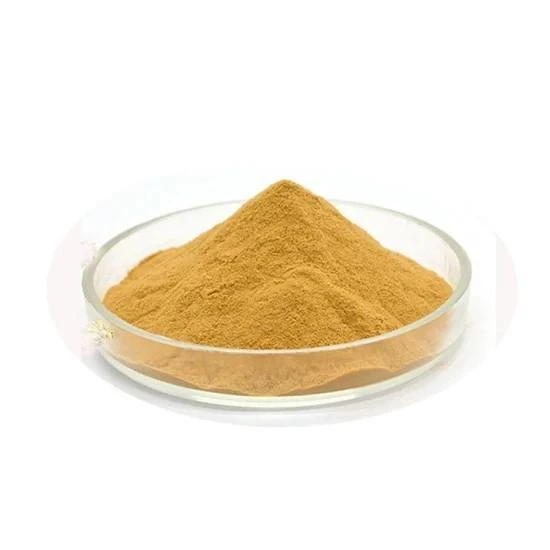
Potential Applications in Animal Nutrition
1. Botanical Feed Additive Development
Plant-derived saponins are investigated in animal nutrition because of their interactions with digestive processes and biological systems.
Tea Saponin can be considered as a botanical ingredient for manufacturers developing specialized feed additive blends. Its suitability depends on saponin composition, inclusion level, animal species, and the intended function of the finished formulation.
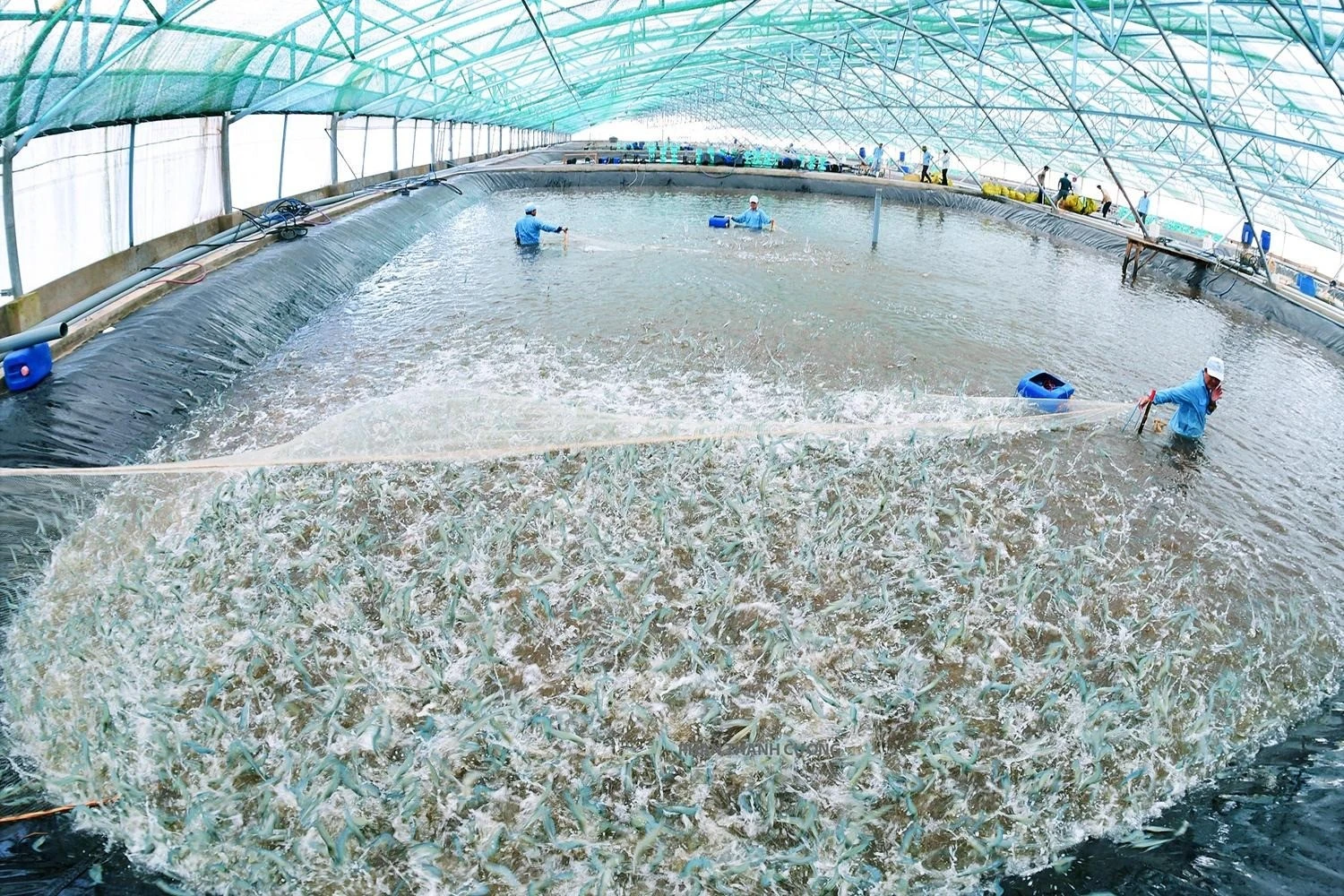
2. Aquaculture Feed and Nutrition Research
Saponins have received attention in aquaculture research because of their biological interactions with aquatic organisms and their potential influence on digestive and physiological processes.
Tea Saponin may be evaluated in experimental aquaculture formulations, including products intended for fish and shrimp nutrition.
However, concentration is particularly important. Tea saponins can exhibit hemolytic and toxic effects in certain aquatic organisms. Their use in formulated feed must not be confused with their separate use in pond-management products.
Manufacturers should conduct appropriate species-specific safety and feeding trials before commercial application.
3. Functional Feed Premixes
Tea Saponin may be investigated as one component of botanical premixes and specialty feed formulations.
Its surface-active properties can also be relevant when studying ingredient dispersion and compatibility in selected liquid or water-based systems.
Formulators should assess interactions with proteins, fats, minerals, enzymes, and other botanical ingredients before incorporating it into commercial premixes.
4. Poultry and Livestock Nutrition Research
Plant saponins are studied in poultry and livestock nutrition for their possible effects on digestive function, microbial interactions, and nutrient utilization.
Tea Saponin may be evaluated as an experimental botanical ingredient in poultry, swine, and ruminant formulations.
However, responses to saponins vary considerably according to chemical structure, dose, species, and dietary composition. Evidence from other plant saponins should not automatically be treated as evidence for Tea Saponin Extract.
Key Product Characteristics
Plant-Derived Saponin Content
Tea Saponin Extract provides a concentrated source of naturally occurring saponins obtained from Camellia seeds. Standardized saponin content helps manufacturers evaluate ingredient concentration and establish formulation specifications.
Natural Surface-Active Properties
Its emulsifying, foaming, and dispersing properties make tea saponin an interesting ingredient for selected formulation and processing applications.
Water-Based Formulation Compatibility
Tea Saponin can be dispersed in water-based systems, depending on the grade and processing conditions. Manufacturers should evaluate dissolution behavior, foam formation, and formulation stability during product development.
Suitable for Ingredient Development
Available in powder form, Tea Saponin can be evaluated for incorporation into selected botanical blends, premixes, and specialty ingredient formulations.
Quality Control and Manufacturing Considerations
For commercial feed ingredient applications, botanical identity alone is not enough to establish product quality. Manufacturers should evaluate the following parameters:
- Saponin assay and analytical method
- Botanical source and plant-part identification
- Moisture content and loss on drying
- Heavy metal concentrations
- Microbiological quality
- Particle size and physical appearance
- Batch-to-batch consistency
- Residual solvent and contaminant status, where applicable
A validated analytical method is particularly important because different saponin assay methods may produce results that are not directly comparable.
HJHERB Biotechnology can provide relevant technical documentation and batch-specific quality information for customer evaluation.
Product Handling and Storage
Store Tea Saponin Extract in a cool, dry, and well-ventilated environment. Keep the packaging tightly sealed and protect the powder from direct sunlight, excessive humidity, and contamination.
Use appropriate protective equipment when handling the powder and follow the applicable safety documentation.
Packaging and Bulk Supply
HJHERB Biotechnology supports commercial ingredient sourcing for manufacturers, distributors, and formulation companies.
- Standard packaging: 25 kg/bag, subject to confirmation.
- Customized packaging: Available upon request.
- Bulk wholesale supply: Available for commercial orders.
- Samples: Available for preliminary product evaluation.
- OEM/ODM: Customized packaging and private-label arrangements can be discussed.
Request a Tea Saponin Quote or Sample
Looking for a reliable Tea Saponin supplier? HJHERB Biotechnology supports feed manufacturers, distributors, and ingredient buyers with consistent specifications, bulk supply, and customized packaging.
Contact us today for product details, COA, samples, and competitive wholesale quotations.
Email: info@hjagrifeed.com
Website: https://www.hjagrifeed.com/
HJHERB Biotechnology – Your Partner in Botanical Feed Ingredients.
Hot Tags: Tea Saponin for Animal Feed, Tea saponin extract (camellia oleifera), Tea Saponin Extract, Natural Tea Saponin Powder, Tea Saponin Feed Additive, Bulk Tea Saponin Manufacturer, Tea Saponin for Aquaculture, Tea Saponin Supplier, Tea Saponin Price, Chili Pepper Extract, Cinnamic Aldehyde, Green Tea Extract Powder, Gynostemma Extract, Marigold Flower Extract Powder, Turmeric Curcumin Extract