When people think about pet health, they usually picture nutritious food, supplements, or regular vet visits. But behind every safe and effective animal health product is something less visible - quality control. One of the most important tools in quality control for veterinary ingredients like tilmicosin is the Certificate of Analysis (COA).
While tilmicosin is primarily recognized in veterinary medicine for managing bacterial infections in animals, the conversation about quality-verified raw materials extends to the broader pet health and animal care industry. The presence of a COA isn't just paperwork - it's a critical layer of protection that supports safety, consistency, and trust across the supply chain.
Understanding Tilmicosin in Animal Health
Tilmicosin belongs to the macrolide class of antibiotics, a group known for their ability to help control certain bacterial infections, particularly those affecting the respiratory system. In veterinary use, compounds like tilmicosin are valued because they can:
- Act against key bacterial pathogens
- Reach respiratory tissues effectively
- Offer longer activity compared to some other antibiotics
Because antibiotics are highly active biological compounds, even small variations in purity or concentration can influence how they perform. That's exactly why documentation like a COA becomes so important.

What Is a COA, Really?
A Certificate of Analysis is an official quality document provided by the manufacturer or a qualified testing laboratory. It confirms that a specific batch of a product has been tested and meets defined specifications.
For tilmicosin, a COA typically includes:
- Active ingredient assay (strength)
- Purity results
- Identification testing
- Moisture or physical characteristics
- Microbial limits
- Contaminant screening
- Batch number and production details
In simple terms, a COA proves that what's on the label matches what's in the package.
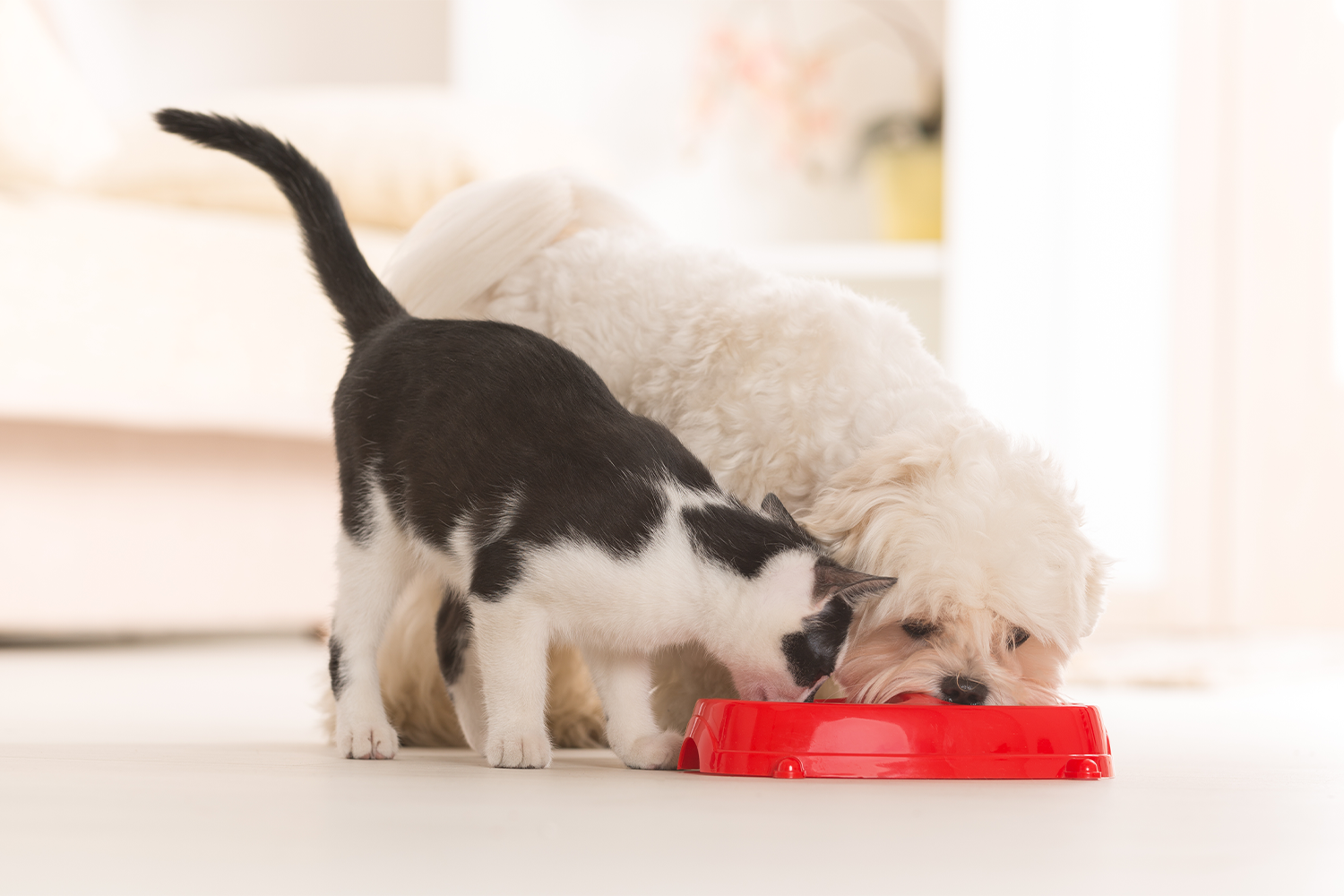
Why COA Tilmicosin Matters - Even in the Pet Health Conversation
You might wonder why this matters when discussing pets. The reason is that the entire animal health industry shares quality standards and sourcing practices. Companies that supply ingredients for feed, veterinary use, and pet health - such as HJ AGRIFEED - operate in an environment where verified raw materials are the foundation of responsible manufacturing.
Here's how a COA for tilmicosin reflects principles that directly support pet health standards:
It Protects Ingredient Purity
Impurities in pharmaceutical compounds can lead to:
- Reduced effectiveness
- Unexpected reactions
- Stress on animal organs
- Safety concerns
A COA confirms that tilmicosin meets strict purity criteria and is free from unacceptable by-products or contaminants. This kind of verification helps ensure that veterinary ingredients behave predictably and safely.
It Ensures Accurate Potency
In animal health products, dose accuracy starts with raw material accuracy. If the concentration of the active compound varies from batch to batch, it becomes difficult for manufacturers to maintain consistent product performance.
The COA verifies that the active level of tilmicosin falls within a defined specification range. This consistency supports:
- Reliable formulation
- Stable product quality
- Predictable results in veterinary use
Consistency in pharmaceutical-grade materials influences best practices across the wider pet and animal health sector.
It Reduces Safety Risks
Antibiotics are powerful substances. Poor-quality material can contain residual solvents, unwanted chemicals, or microbial contamination. A COA confirms the batch has been tested to reduce such risks.
This protects:
- Animal safety
- Product handlers
- Manufacturers
- Brand reputation
A strong safety culture in veterinary raw materials sets the tone for the entire animal care industry, including pet nutrition and supplement manufacturing.
It Supports Traceability
Traceability is a major issue in today's global supply chains. If a problem ever arises, a COA helps companies trace:
- The exact production batch
- Test results
- Manufacturing dates
- Quality specifications
This allows faster corrective action and demonstrates responsible sourcing. For suppliers and manufacturers in animal health sectors, traceability builds long-term confidence.
It Reflects Professional Quality Standards
Pet owners today expect more. They want products supported by science, safety, and transparency. The standards used in veterinary pharmaceuticals - including COA documentation - influence the quality expectations for the entire industry.
Working with COA-supported materials shows that a company is serious about:
- Regulatory compliance
- Good manufacturing practices
- Responsible ingredient sourcing
Suppliers focused on high-quality feed and animal health ingredients, like HJ AGRIFEED, understand that documentation and verification are not optional - they are essential to maintaining trust.

The Bigger Trend: Quality First in Animal and Pet Care
The pet care industry is evolving quickly. There is more focus on:
- Science-based formulations
- Verified raw materials
- Transparent documentation
- Safer supply chains
Although tilmicosin itself is a veterinary antibiotic, the importance of a COA represents a much bigger concept - a culture of quality. That culture benefits livestock, working animals, and companion animals alike by encouraging higher standards in every stage of product development.

Final Thoughts
A COA for tilmicosin is far more than a technical document. It helps ensure:
- Purity of the active ingredient
- Accurate concentration
- Reduced contamination risks
- Full batch traceability
- Confidence in quality standards
As animal health and pet care industries continue to grow more sophisticated, verified ingredient quality remains one of the most important foundations of animal well-being. In the end, better documentation means better safety - and that supports healthier animals everywhere.