Aromatherapy has gained significant popularity in recent years as a holistic approach to well - being, using essential oils and plant extracts to promote physical and mental health. As a supplier of Rosemary Extract, I often receive inquiries about whether rosemary extract can be used in aromatherapy. In this blog post, I'll explore the properties of rosemary extract, its potential applications in aromatherapy, and how it compares to other commonly used substances in this field.
Properties of Rosemary Extract
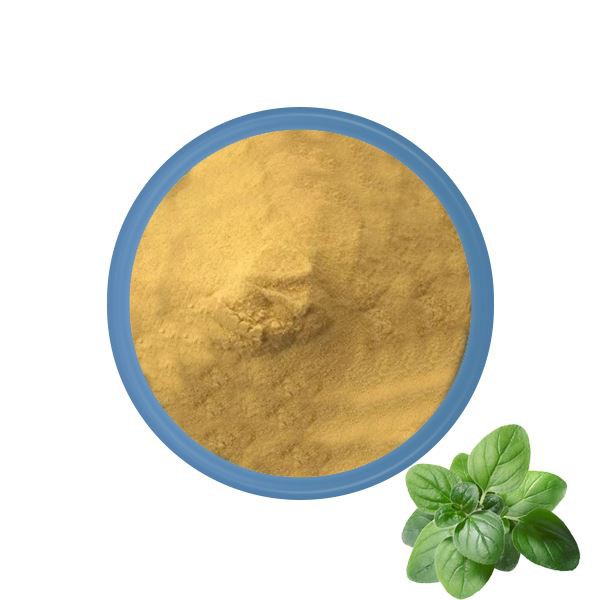
Rosemary (Rosmarinus officinalis) is an evergreen herb native to the Mediterranean region. Its extract is rich in bioactive compounds such as rosmarinic acid, carnosic acid, and camphor. These compounds contribute to its antioxidant, anti - inflammatory, and antimicrobial properties.
Rosmarinic acid, for example, has been shown to have strong antioxidant effects, which can help protect cells from damage caused by free radicals. Carnosic acid is known for its anti - inflammatory and neuroprotective properties. Camphor, on the other hand, gives rosemary its characteristic aroma and has a stimulating effect on the nervous system.
Can Rosemary Extract Be Used in Aromatherapy?
The answer is yes. Rosemary extract can be a valuable addition to aromatherapy practices. Its invigorating and refreshing scent can help improve mood, enhance concentration, and relieve stress.
When used in aromatherapy, the aroma of rosemary extract can stimulate the olfactory system, which is directly connected to the limbic system in the brain. The limbic system is responsible for emotions, memory, and the regulation of the autonomic nervous system. By inhaling the aroma of rosemary extract, one can trigger positive emotional responses and physiological changes.

Mood Enhancement
The fresh and herbaceous scent of rosemary extract has a mood - lifting effect. It can help alleviate feelings of anxiety and depression. In a study published in the International Journal of Neuroscience, participants exposed to rosemary aroma reported an improvement in their mood and a reduction in stress levels. The aroma of rosemary can act as a natural antidepressant, promoting a sense of well - being and relaxation.
Cognitive Enhancement
Rosemary extract is also known for its ability to enhance cognitive function. The camphor and other volatile compounds in rosemary can stimulate the brain, improving memory, concentration, and mental clarity. A research conducted at Northumbria University found that students who were exposed to rosemary aroma during an exam performed better than those in a non - scented environment. This makes rosemary extract an excellent choice for students, professionals, and anyone who needs to focus and think clearly.
Respiratory Benefits
The antimicrobial and decongestant properties of rosemary extract can also be beneficial for the respiratory system. When used in aromatherapy, the aroma of rosemary can help clear nasal congestion, soothe coughs, and improve breathing. It can be particularly useful during the cold and flu season or for people suffering from respiratory allergies.
How to Use Rosemary Extract in Aromatherapy
There are several ways to use rosemary extract in aromatherapy:
Diffusion
Using an essential oil diffuser is one of the most common methods. Simply add a few drops of rosemary extract to the diffuser along with water. As the diffuser disperses the mist into the air, the aroma of rosemary will fill the room, providing a continuous and gentle olfactory experience.
Inhalation
You can also inhale the aroma of rosemary extract directly. Add a few drops of the extract to a tissue or a cotton ball and inhale deeply. This method is convenient when you need a quick boost of energy or focus, such as before a meeting or an exam.
Bath
Adding a few drops of rosemary extract to your bathwater can create a relaxing and rejuvenating experience. The warm water will help release the aroma of rosemary, and the extract can also be absorbed through the skin, providing additional benefits.
Comparison with Other Substances in Aromatherapy
While rosemary extract has many benefits, it's interesting to compare it with other substances commonly used in aromatherapy.
Lavender
Lavender is perhaps the most well - known essential oil in aromatherapy. It is famous for its calming and sedative effects, making it ideal for promoting sleep and reducing anxiety. In contrast, rosemary extract is more invigorating and stimulating, better suited for enhancing focus and mood during the day.
Peppermint
Peppermint essential oil is also popular for its refreshing and cooling scent. It can help relieve headaches and improve respiratory function. Similar to rosemary extract, peppermint has a stimulating effect on the brain. However, the aroma of peppermint is more minty and sharp, while rosemary has a more herbaceous and earthy scent.
Other Related Products
In addition to rosemary extract, there are other natural products that can be used in aromatherapy or related fields. For example, L - lisina Hcl is a natural feed additive that may have its own set of benefits in animal nutrition. Oregano Leaf Powder is known for its antimicrobial and antioxidant properties, which can also be relevant in various applications. And Bromelain Bulk Powder has anti - inflammatory and digestive benefits.
Conclusion
Rosemary extract is a versatile and valuable substance that can be effectively used in aromatherapy. Its unique properties, including mood enhancement, cognitive improvement, and respiratory benefits, make it a great choice for those looking to incorporate natural remedies into their well - being routines.
If you're interested in exploring the potential of rosemary extract in aromatherapy or other applications, I encourage you to reach out for more information. Whether you're an aromatherapist, a health enthusiast, or a business looking to source high - quality rosemary extract, we can provide you with the best products and support. Feel free to contact us for more details about our rosemary extract and other related products. We're here to help you make the most of the natural benefits that rosemary extract has to offer.
References
- International Journal of Neuroscience. "Effect of rosemary aroma on mood and stress levels."
- Northumbria University. "Research on the impact of rosemary aroma on exam performance."