

Hey there! As a chitosan supplier, I've seen firsthand how this amazing substance can revolutionize the medical device industry. Today, I'm gonna dive into how chitosan affects the biocompatibility of medical devices.
First off, let's talk about what biocompatibility means. In simple terms, it's how well a material can interact with living tissues without causing any negative reactions. When it comes to medical devices, biocompatibility is super important. No one wants a device that's gonna trigger an immune response or cause inflammation. That's where chitosan steps in.
Chitosan is a natural polysaccharide derived from chitin, which is found in the exoskeletons of crustaceans like crabs and shrimps. It's got some pretty cool properties that make it a great candidate for improving the biocompatibility of medical devices.
One of the key features of chitosan is its positive charge. Our body cells have a negative charge on their surface. Thanks to this opposite charge, chitosan can easily interact with the cells. This interaction helps in promoting cell adhesion, which is crucial for the integration of medical devices with the surrounding tissues. For example, when a chitosan - coated implant is placed in the body, cells can attach to it more readily. This attachment is the first step in the healing process and helps the body accept the device as a part of itself.
Another great thing about chitosan is its biodegradability. Unlike some synthetic materials that can stay in the body for a long time and potentially cause problems, chitosan can be broken down by enzymes in the body. This means that over time, the chitosan - based coating on a medical device will gradually degrade, leaving behind no harmful residues. It's like having a built - in self - cleaning mechanism for the device.
Chitosan also has antibacterial properties. Infections are a major concern when it comes to medical devices. Bacteria can easily attach to the surface of a device and form biofilms, which are difficult to treat. But chitosan can inhibit the growth of bacteria. It disrupts the bacterial cell membrane and prevents the formation of biofilms. This not only reduces the risk of infections but also improves the overall biocompatibility of the device.
Now, let's look at some specific types of medical devices and how chitosan can enhance their biocompatibility.
Wound Dressings
Wound dressings are used to cover and protect wounds. Chitosan - based wound dressings have several advantages. The positive charge of chitosan attracts red blood cells and platelets, which helps in blood clotting. This can speed up the wound - healing process. Moreover, its antibacterial properties prevent wound infections. The biodegradability of chitosan means that the dressing doesn't need to be removed forcefully, which can cause further damage to the wound. As it degrades, it releases substances that can promote tissue regeneration.
Implants
Implants, such as joint replacements or dental implants, need to be well - integrated with the surrounding tissues. Chitosan coatings on implants can improve cell adhesion and proliferation. Osteoblasts, the cells responsible for bone formation, can attach and grow on chitosan - coated surfaces more effectively. This leads to better osseointegration (the bonding of the implant to the bone), which is essential for the long - term success of the implant.
Drug Delivery Systems
Chitosan can be used in drug delivery systems to improve biocompatibility. It can encapsulate drugs and release them in a controlled manner. The biocompatible nature of chitosan ensures that the drug delivery system is well - tolerated by the body. Also, chitosan can target specific cells or tissues, which increases the efficiency of drug delivery and reduces side effects.
But it's not all sunshine and rainbows. There are some challenges when using chitosan in medical devices. One issue is the variability in the quality of chitosan. The source of chitin and the extraction process can affect the properties of chitosan. As a supplier, we work hard to ensure that our chitosan has consistent quality. We use advanced purification techniques to remove any impurities and standardize the molecular weight and degree of deacetylation of chitosan.
Another challenge is the potential for an immune response in some individuals. Although chitosan is generally considered biocompatible, in rare cases, some people may have an allergic reaction. However, this is very uncommon, and proper testing can be done before using chitosan - based medical devices.
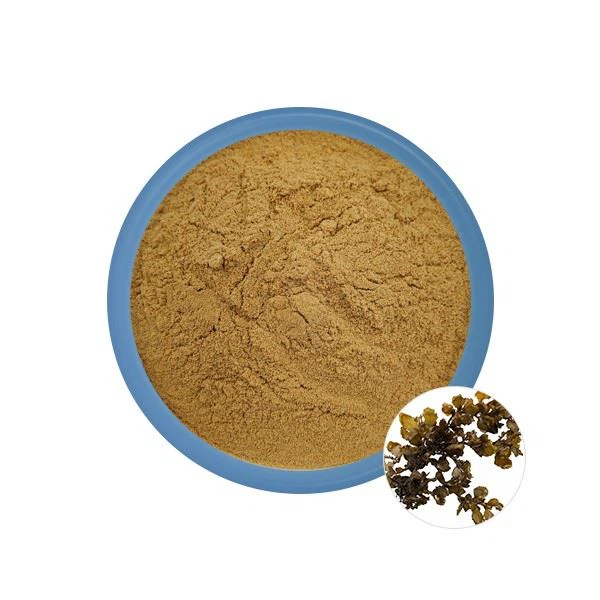

If you're in the medical device industry, you might be interested in other natural products too. Check out Seaweed Polysaccharide, Potassium Humate Flakes, and Black Carbon Powder. These products also have unique properties that can be beneficial in different applications.
In conclusion, chitosan has a significant impact on the biocompatibility of medical devices. Its ability to promote cell adhesion, its biodegradability, and antibacterial properties make it a valuable material in the medical field. If you're looking for high - quality chitosan for your medical device projects, we're here to help. We can provide you with the right type of chitosan based on your specific needs. Whether you're developing a new wound dressing, an implant, or a drug delivery system, chitosan can take your product to the next level. So, don't hesitate to reach out and start a conversation about your chitosan requirements. Let's work together to create better, more biocompatible medical devices.
References
- Kumar, M. N. V. (2000). A review of chitin and chitosan applications. Reactive & Functional Polymers, 46(1), 1 - 27.
- Rinaudo, M. (2006). Chitin and chitosan: Properties and applications. Progress in Polymer Science, 31(7), 603 - 632.
- Jayakumar, R., Prabaharan, M., Kumar, P. T., & Nair, S. V. (2010). Chitosan - based hydrogels for controlled, localized and sustained drug delivery. European Journal of Pharmaceutics and Biopharmaceutics, 74(3), 330 - 342.


