1. What Is Allicin and Why Does It Matter?
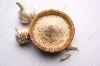
Allicin (allyl 2-propenethiosulfinate or diallyl thiosulfinate or S-allyl cysteine sulfoxide) is a sulfur-containing volatile compound found in white garlic (Allium sativum L.) and in other Allium species. It is thought to be one of the main bioactive organosulfur compounds synthesized in Allium species, and responsible for its typical pungent smell and taste. In fact, allicin is the most abundant thiosulfinate in fresh garlic, typically accounting for 70% (w/w) of the total thiosulfinates (approximately 0.4% by fresh mass) (Rybak, Calvey, & Harnly, 2004).
Allicin is a colorless oil with low water solubility and is not present as such in the intact garlic clove, but is naturally produced together with pyruvate and ammonia from the alliin precursor (S-allyl-L-cysteine sulfoxide), a stable and odorless non-protein amino acid, through action of alliinase (alliin lyase, EC 4.4.1.4, an α,β-eliminating endogenous lyase from Allium spp.) enzyme, when garlic cloves are crushed or macerated (Marchese et al., 2016). Alliin and alliinase are enclosed in different compartments within the garlic clove. By cutting or crushing the clove, alliin and alliinase are brought into contact to produce allicin, a defensive compound postulated to achieve deterrence by activating transient receptor potential ankyrin 1 (TRPA1) and transient receptor potential cation channel subfamily V member 1 (TRPV1) excitatory ion channels on primary sensory neurons of pain pathway, causing pain and inflammation in animal predators (Okada, Tanaka, Fujita, Sato, & Okajima, 2005).
According to research, there are several potential biological activities such as:
- Antimicrobial activity: May help inhibit selected undesirable microorganisms.
- Antioxidant activity: May contribute to the body's antioxidant defense mechanisms.
- Immune support: Has been investigated for its influence on selected immune and inflammatory pathways.
- Gut health: May influence intestinal microbial composition and digestive health.
These properties make allicin an interesting candidate for natural feed additive development.
However, purified allicin, garlic powder and garlic extracts are not necessarily interchangeable. Their active compound concentrations and biological properties can differ considerably.
Why Is Allicin Getting Attention in Animal Nutrition?
A healthy digestive system does more than help animals digest feed. It plays an important role in nutrient absorption, immunity, growth and overall production performance.
For livestock producers and feed manufacturers, maintaining good gut health is a constant priority. Poor intestinal health can affect feed utilization, animal growth and production consistency, making it an important concern for commercial operations.
This is one reason natural feed additives are receiving more attention.
Among the ingredients attracting interest is allicin, a bioactive sulfur compound naturally associated with garlic (Allium sativum). Known for its antimicrobial and antioxidant-related properties, allicin is being studied for its potential to support intestinal microbial balance and animal health.

2. How Can Allicin Support Animal Gut Health?
Animals may experience digestive challenges and inconsistent production performance because the digestive tract contains millions of microorganisms that influence digestion, nutrient metabolism and immune function. Allicin helps maintain healthy microbial balance and is important for normal intestinal activity.
Allicin supports animal health and performance through three key benefits:
- Supporting Microbial Balance: Helps maintain a healthy balance of intestinal microorganisms.
- Supporting Digestive Health: Supports gut function and nutrient utilization.
- Supporting Antioxidant Defense: Helps protect against oxidative stress caused by environmental and nutritional challenges.
The important takeaway: Allicin is not a cure for digestive diseases or a guaranteed replacement for antibiotics. However, its value lies in its role as a functional nutritional ingredient.
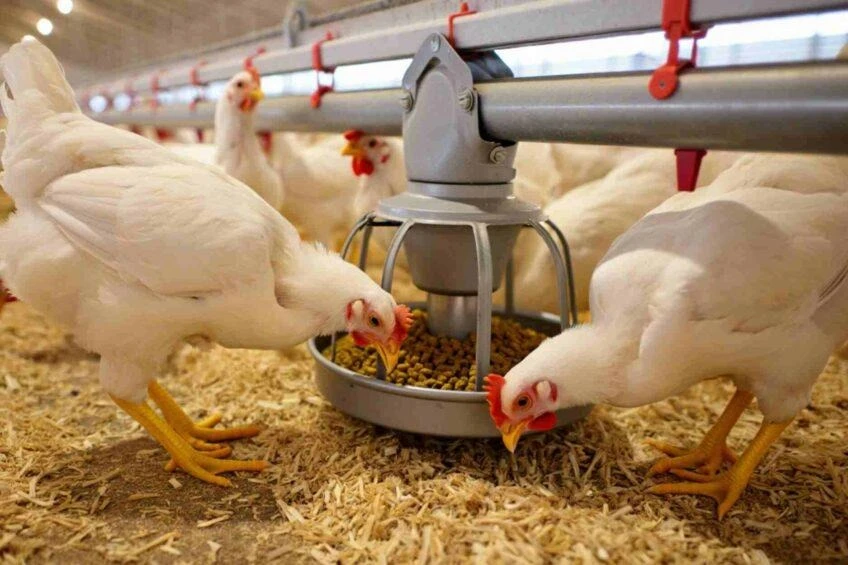
3. Allicin in Poultry Feed: What Does Research Say?
Poultry is one of the most interesting areas for allicin research.
For example, broiler chickens require efficient nutrient utilization to achieve target market weights, while laying hens need consistent nutritional support for egg production and quality.
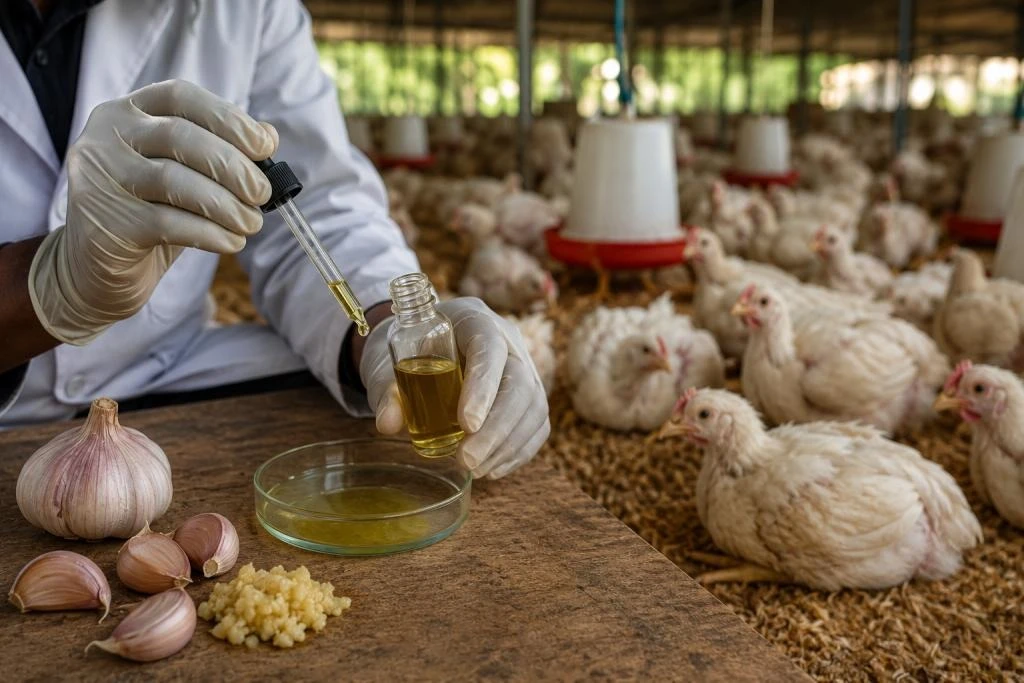
According to research, broiler chickens dietary allicin supplementation receive diets containing oxidized oil. They examined production performance and meat quality, exploring whether allicin could help mitigate some of the negative effects associated with oxidized dietary fats.
This is important for feed manufacturers because fat quality is an important consideration in poultry feed formulation. While in laying hens, researchers evaluated three supplementation levels: 200, 400 and 600 mg/kg in Allicin.This affects improvements in selected egg quality measurements, changes in cholesterol levels and alterations in intestinal microbial composition. This highlights an important point for feed formulators: the right inclusion level matters, and more is not necessarily better.
These studies provide useful evidence for further investigating allicin in poultry nutrition.
Read the research: Untea et al. (2024)
Read the research: Fan et al. (2026)
4. Beyond Poultry: Where Else Can Allicin Be Used?
Each animal species has different digestive characteristics, so formulations should be evaluated according to their specific nutritional requirements.
|
Animal sector |
Potential application |
|
Poultry |
Intestinal microbial balance, egg quality and oxidative stress research |
|
Swine |
Digestive health and nutritional support during weaning |
|
Ruminants |
Research into rumen microbial activity and fermentation |
|
Aquaculture |
Digestive health, microbial management and antioxidant support |
5. What Should Feed Manufacturers Consider Before Using Allicin?
Allicin has interesting nutritional potential, but incorporating it into commercial feed is not always straightforward. Allicin can degrade due to heat, moisture, and improper storage. Feed processing may also reduce its active content. The proper inclusion level depends on the animal species and intended use. Buyers should check the actual allicin content, COA, testing methods, and shelf life to ensure product quality and consistency.
For manufacturers, the real challenge is not simply finding an ingredient with promising biological properties. It is finding one that offers consistent quality and performs reliably within a commercial formulation.

6. Choosing the Right Natural Feed Ingredient Supplier
As demand for natural feed additives grows, choosing the right supplier is important. Buyers should look for clear product specifications, consistent quality, reliable testing and COA documents, technical support, and suitable packaging and shipping options. These help ensure product quality and make purchasing decisions easier.
Why Choose HJHERB Biotechnology?
HJHERB Biotechnology offers a wide range of products that are of high quality and value to a variety of industries, including the agricultural industry. Is imperative in creating the highest quality feed products for animals and even aquaculture and industrial cleaning products. All of the products at HJHERB are produced in a facility that is certified in the AFIA's Safe Feed/Safe Food Certification Program. Contact us by email: info@hjagrifeed.com
Website: https://hjagrifeed.com/
References and Further Reading
Jarosz et al. (2026). The effect of allicin on the intestinal microbiota and production efficiency in selected farm animals. Journal of Veterinary Research. https://doi.org/10.2478/jvetres-2026-0026
Fan et al. (2026). Effects of Dietary Allicin Supplementation on Laying Performance, Egg Quality, Serum Lipid Indices, and Gut Microbiota Composition in Kangle Chickens. Animals. https://doi.org/10.3390/ani16203168
Untea et al. (2024). Mitigation of Oxidized Oil Effects on Production Performances and Meat Quality of Broilers by Dietary Supplementation of Allicin. Life. https://doi.org/10.3390/life14111432
Abd El-Ghany (2024). Potential Effects of Garlic on the Performance, Immunity, Gut Health, Anti-Oxidant Status, Blood Parameters, and Intestinal Microbiota of Poultry. Animals. https://doi.org/10.3390/ani14030498