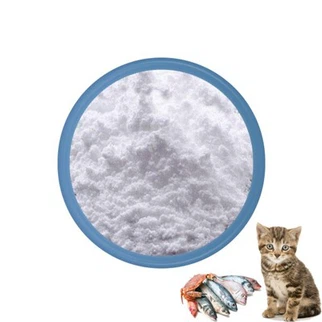
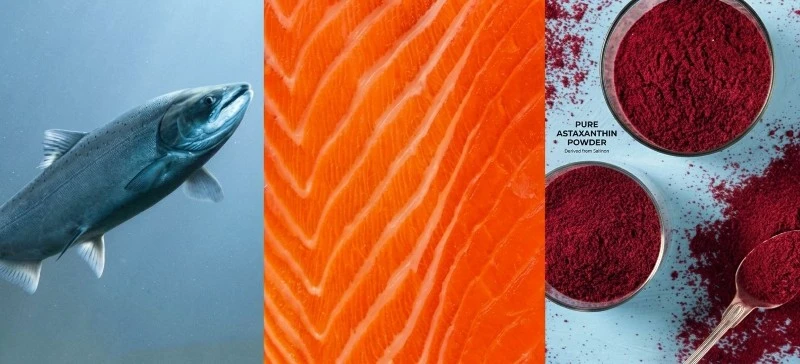
Premium Astaxanthin is an important carotenoid ingredient used in modern aquaculture feed, particularly for salmon and other salmonid species. Its most established commercial application is natural flesh pigmentation, helping farmed salmon develop the characteristic pink-red color associated with dietary astaxanthin accumulation.
In aquaculture, salmon cannot obtain sufficient carotenoids from a natural food chain in the same way wild fish do. Formulated feed therefore provides astaxanthin as part of a controlled nutrition and pigmentation program. Astaxanthin is recognized as one of the principal carotenoids used in aquaculture feeds.
For aquafeed manufacturers and bulk ingredient buyers, a premium astaxanthin product should offer reliable active content, good stability, suitable bioavailability, consistent quality, and compatibility with feed-processing conditions.
Contact us for inquiry and certifications and for free sample. Email:info@hjagrifeed.com
What Is Astaxanthin?
Astaxanthin is a red-orange xanthophyll carotenoid found naturally in microorganisms and aquatic organisms. Important natural production sources include Haematococcus pluvialis, Phaffia rhodozyma (also known as Xanthophyllomyces dendrorhous), and Paracoccus carotinifaciens.
The pigment is particularly important in salmon aquaculture because dietary astaxanthin can be absorbed and deposited in muscle tissue.
The amount of astaxanthin retained by salmon depends on several factors, including:
- Astaxanthin concentration in the feed
- Source and chemical form
- Feed composition
- Digestibility and absorption
- Fish size and life stage
- Feeding duration
- Processing and storage conditions
- Individual variation
Therefore, the quality of the astaxanthin ingredient and the design of the complete feed both influence pigmentation performance.

Why Is Astaxanthin Used in Salmon Feed?
The primary reason for adding astaxanthin to salmon feed is flesh pigmentation.
Salmon naturally accumulate carotenoids through their diet. In commercial aquaculture, astaxanthin is incorporated into formulated feeds to provide the carotenoid needed for muscle pigmentation.
Research has consistently identified pigmentation as the clearest commercial application of astaxanthin in aquaculture.
The resulting pink-red color is an important characteristic of salmon fillets and is closely associated with consumer expectations for salmon products.
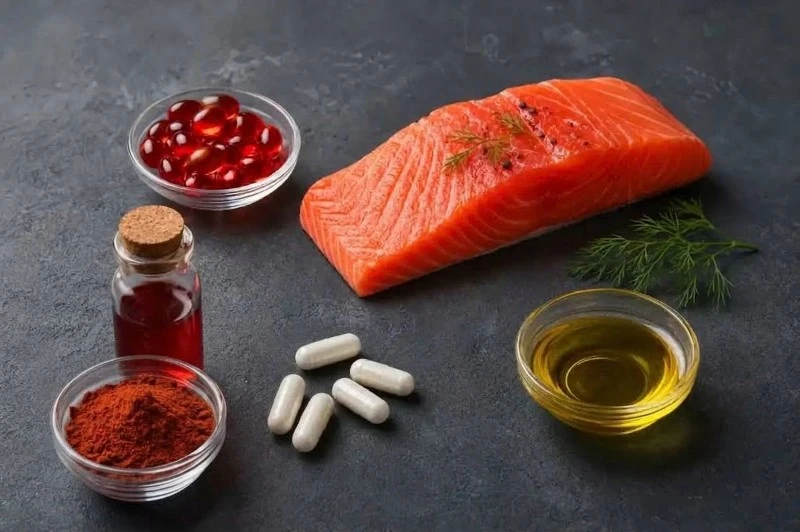
Premium Astaxanthin for Natural Salmon Pigmentation
When salmon consume astaxanthin-containing feed, the carotenoid passes through the digestive system and is absorbed into the body. A portion is transported and deposited in muscle tissue.
The resulting color depends on more than simply the amount of astaxanthin added to the diet. Factors such as absorption, retention, feed composition, fish size, feeding period, and pigment source can influence the final pigmentation.
An Atlantic salmon study published in Aquaculture in 2025 compared natural carotenoid sources from H. pluvialis, P. rhodozyma, and P. carotinifaciens with synthetic astaxanthin. Under the study conditions, all tested sources supported flesh pigmentation, while P. rhodozyma produced pigmentation results comparable to synthetic astaxanthin.
This research also demonstrates why natural astaxanthin should be evaluated according to measurable performance and product specifications rather than assuming that all natural sources behave identically.

Natural Sources of Premium Astaxanthin
Haematococcus pluvialis
Haematococcus pluvialis is one of the best-known natural sources of astaxanthin.
The microalga can accumulate astaxanthin under appropriate environmental conditions and is widely studied as a source of natural astaxanthin for aquaculture and other applications.
For salmon feed manufacturers, H. pluvialis-derived ingredients can provide a natural carotenoid source for pigmentation-focused formulations.
Phaffia rhodozyma
Phaffia rhodozyma, now commonly classified as Xanthophyllomyces dendrorhous, is a yeast capable of producing astaxanthin.
The 2025 Atlantic salmon study found that the P. rhodozyma source tested produced results comparable to synthetic astaxanthin in several pigmentation measurements under the experimental conditions.
Paracoccus carotinifaciens
Paracoccus carotinifaciens is another microbial source of natural carotenoids.
It has been investigated as a feed pigment for aquaculture and was one of the natural sources evaluated in the recent Atlantic salmon comparison study.
The choice between sources should be based on the desired concentration, stability, bioavailability, processing characteristics, regulatory requirements, and application performance.
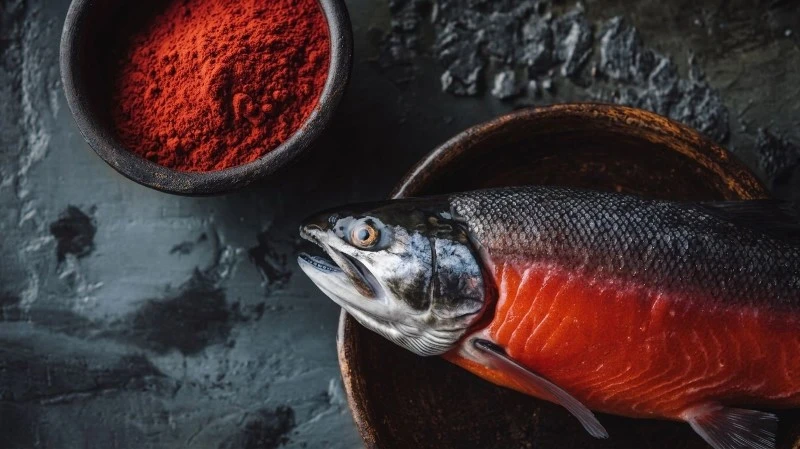
Astaxanthin and Salmon Nutrition
Although pigmentation is the most established commercial application, astaxanthin is also being studied as a functional feed ingredient.
Research has investigated potential relationships between dietary astaxanthin and:
- Antioxidant status
- Oxidative stress responses
- Immune-related responses
- Stress tolerance
- Growth performance
- General physiological condition
Reviews of astaxanthin in aquaculture describe these areas as active research topics.
However, these potential nutritional functions should be distinguished from the well-established pigmentation application. Results can vary between species, diets, astaxanthin sources, inclusion levels, and environmental conditions.
A 2025 meta-analysis of aquaculture studies reported overall positive effects of astaxanthin supplementation on several growth, feed-utilization, antioxidant, and immune indicators, but Atlantic salmon were not included in the quantitative meta-analysis. The salmonid subgroup consisted mainly of rainbow trout studies.
Therefore, evidence from other aquaculture species should not automatically be presented as direct evidence for Atlantic salmon.
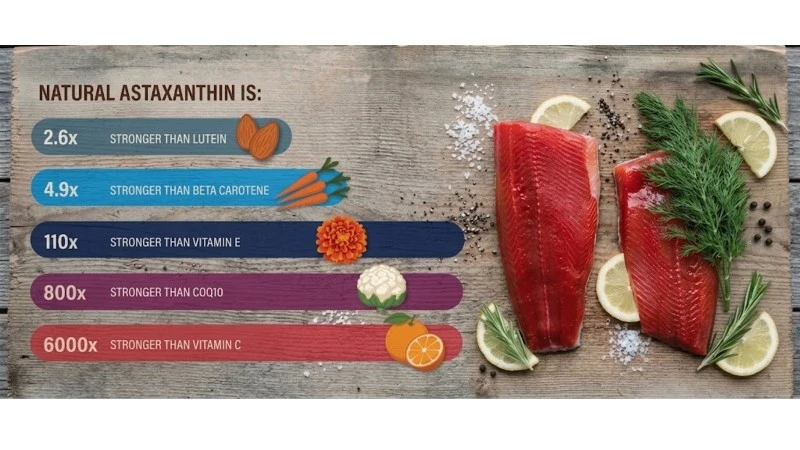
Astaxanthin Utilization Depends on the Complete Feed
A premium astaxanthin ingredient does not work independently of the rest of the feed formulation.
Research in Atlantic salmon has shown that dietary composition can affect astaxanthin absorption, metabolism, and flesh retention. Plant ingredients and phospholipid levels, for example, can influence how dietary astaxanthin is utilized.
This means aquafeed manufacturers should consider the complete feed matrix when developing pigmentation diets.
Important factors include:
Dietary Lipids
Astaxanthin is a lipid-soluble carotenoid, so the lipid composition of the feed can influence its absorption and utilization.
Feed Ingredients
The replacement of marine ingredients with plant-based ingredients can alter the nutritional environment in which astaxanthin is absorbed and metabolized.
Fish Development Stage
Fish size and production stage influence feed intake, metabolism, and pigment deposition.
Feeding Period
Astaxanthin accumulation in muscle takes time. Consistent dietary delivery is therefore an important consideration in pigmentation programs.
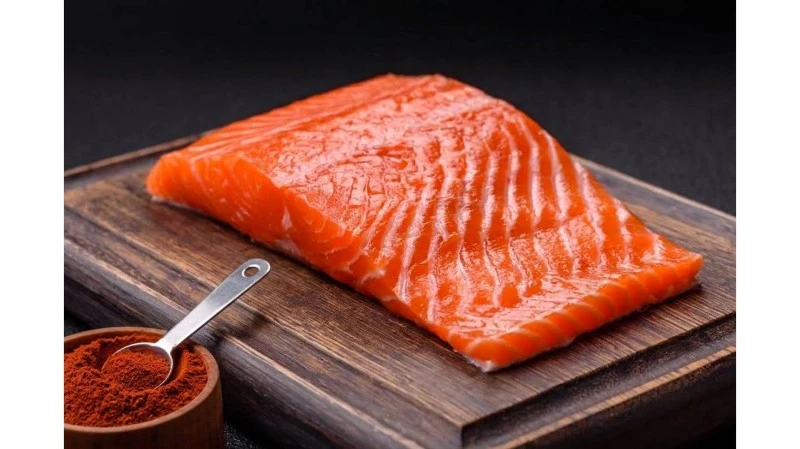
Premium Astaxanthin Powder for Aquafeed Manufacturing
Powdered astaxanthin ingredients can be incorporated into premixes and formulated aquaculture feeds.
A commercial formulation may combine astaxanthin with:
- Proteins
- Fish oil or other lipid sources
- Plant-based protein ingredients
- Vitamins
- Minerals
- Amino acids
- Other carotenoids
- Functional feed additives
Uniform dispersion is important because inconsistent mixing can result in variable astaxanthin delivery between feed particles.
For large-scale feed production, manufacturers should evaluate the ingredient's particle size, dispersibility, stability, and compatibility with their manufacturing process.
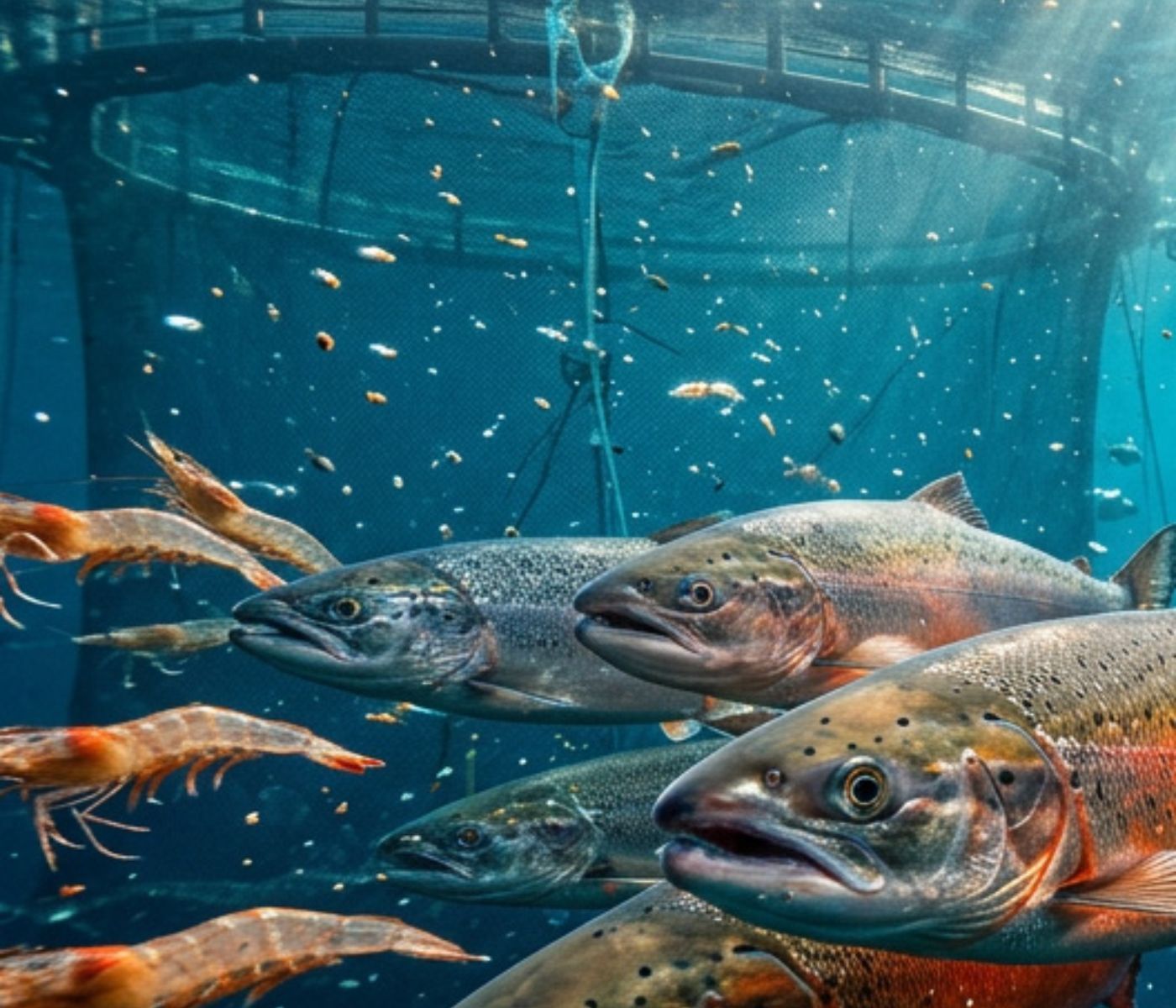
Stability of Astaxanthin in Aquaculture Feed
Astaxanthin is sensitive to environmental conditions, particularly oxidation, light, and heat. Processing and storage can therefore affect the amount of active pigment available to the fish.
A premium astaxanthin ingredient should be supported by appropriate stability information and packaging recommendations.
The complete supply chain should be considered:
Raw ingredient → premix → feed processing → packaging → storage → transportation → feeding
Good storage conditions can help maintain pigment quality throughout the product's intended shelf life.
For manufacturers, stability testing under actual processing and storage conditions can provide more useful information than relying only on the raw ingredient specification.
What Makes a Premium Astaxanthin Ingredient?
For aquaculture feed manufacturers, the term "premium" should be supported by measurable quality characteristics.
High and Consistent Active Content
The astaxanthin concentration should be clearly specified and consistently maintained between batches.
Reliable Source
The source should be clearly identified, particularly when the product is marketed as natural astaxanthin.
Good Stability
The ingredient should have appropriate protection against degradation during storage and feed manufacturing.
Good Dispersibility
A powder designed for feed manufacturing should be easy to distribute uniformly through premixes and complete feeds.
Controlled Purity
The product should meet appropriate feed-grade quality requirements and be tested for relevant contaminants.
Complete Documentation
Commercial buyers should be able to request:
- Certificate of Analysis (COA)
- Technical Data Sheet (TDS)
- Product specification
- Safety Data Sheet where applicable
- Microbiological testing
- Heavy-metal testing
- Stability information
- Origin information
Shelf-life and storage recommendations
Premium Astaxanthin Applications in Aquaculture
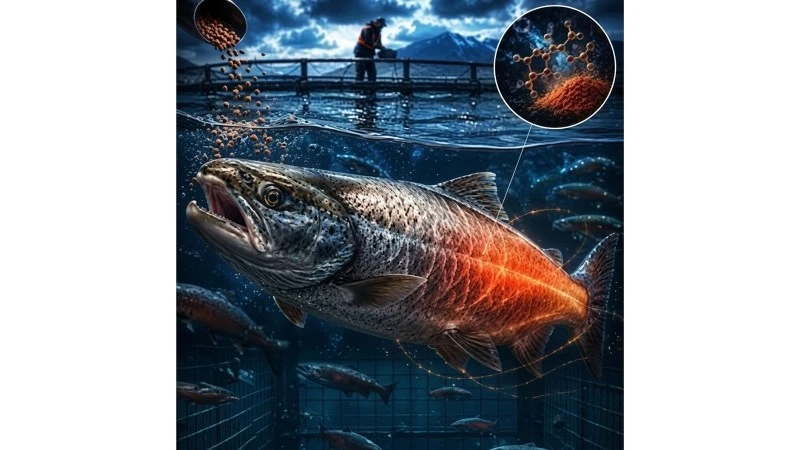
Although salmon is a major target application, astaxanthin is also used in feeds for other aquatic species.
Potential applications include:
- Atlantic salmon
- Trout
- Shrimp
- Other farmed fish
- Crustacean feed
- Aquaculture premixes
- Carotenoid feed blends
The specific effect and required formulation depend on the target species.
For salmon, the primary commercial focus remains muscle pigmentation. For other aquatic animals, astaxanthin may also be used for external coloration, tissue pigmentation, and as a functional carotenoid ingredient.
Conclusion
Premium Astaxanthin is an important ingredient for salmon feed and modern aquaculture, with natural flesh pigmentation as its most established commercial application.
Natural sources such as Haematococcus pluvialis, Phaffia rhodozyma, and Paracoccus carotinifaciens can provide astaxanthin for salmon diets. Recent Atlantic salmon research confirms that several natural sources can effectively support flesh pigmentation, while also showing that performance can vary according to the source and experimental conditions.
Astaxanthin is also being investigated for antioxidant, immune-related, and other nutritional functions in aquatic animals, although these effects should be considered separately from its established pigmentation role.
For aquafeed manufacturers and bulk ingredient buyers, a premium product should provide consistent active content, reliable stability, good dispersibility, controlled purity, clear source information, and complete quality documentation.
When these factors are combined with an appropriately formulated salmon diet and suitable feeding program, Astaxanthin Powder can provide a reliable source of carotenoid pigmentation for commercial aquaculture.
References
Elbahnaswy, S., & Elshopakey, G. E. "Recent progress in practical applications of a potential carotenoid astaxanthin in aquaculture industry: a review." Fish Physiology and Biochemistry, 50, 97–126, 2024.
"Effect of natural carotenoids obtained from Haematococcus pluvialis, Paracoccus carotinifaciens, and Phaffia rhodozyma on flesh pigmentation and related biochemical mechanisms in Atlantic salmon (Salmo salar L.)." Aquaculture, 596, 741743, 2025.
Ytrestøyl, T., et al. "Dietary Content of Plant Ingredients and Phospholipids Affects Astaxanthin Utilization and Lipid Deposition in Atlantic Salmon (Salmo salar L.)." Aquaculture Nutrition, 2025.
"Biological function of astaxanthin and its application in aquatic animal feeding." Food Chemistry: X, 32, 103319, 2025.
"Effectiveness of Astaxanthin as a Feed Supplement to Improve Growth Performance and Feed Utilization in Aquaculture Animals: A Meta-Analysis." Antioxidants, 14(5), 609, 2025.
FAQ
Q1: What is Premium Astaxanthin?
A1: Premium Astaxanthin is a carotenoid ingredient used in modern aquaculture feed, particularly for salmon and other salmonid species. Its most established commercial application is supporting natural flesh pigmentation, helping farmed salmon develop the characteristic pink-red color associated with dietary astaxanthin accumulation.
Q2: What is astaxanthin?
A2: Astaxanthin is a red-orange xanthophyll carotenoid found naturally in microorganisms and aquatic organisms. It is an important carotenoid used in aquaculture feed formulations.
Q3: Why is astaxanthin important for salmon farming?
A3: Astaxanthin is important because it provides dietary carotenoid support for salmon, particularly for muscle pigmentation. Farmed salmon receive astaxanthin through formulated feed as part of controlled nutrition and pigmentation programs.
Q4: What is the main application of astaxanthin in salmon feed?
A4: The primary commercial application is flesh pigmentation. Dietary astaxanthin can be absorbed and deposited in salmon muscle tissue, contributing to the characteristic pink-red color of salmon flesh.
Q5: Why do farmed salmon need astaxanthin in their feed?
A5: Farmed salmon do not obtain carotenoids through a natural food chain in the same way wild salmon do. Formulated aquaculture feed therefore provides astaxanthin as part of a controlled nutritional and pigmentation program.
Q6: How does astaxanthin produce salmon flesh pigmentation?
A6: After salmon consume astaxanthin-containing feed, the carotenoid passes through the digestive system and is absorbed. A portion is transported and deposited in muscle tissue, where it contributes to pink-red flesh pigmentation.
Q7: Does the amount of astaxanthin added directly determine salmon flesh color?
A7: Not necessarily. Pigmentation depends on several factors, including astaxanthin concentration, source, chemical form, absorption, feed composition, fish size, life stage, feeding duration, processing, and individual variation.
Q8: What natural sources can be used to produce astaxanthin?
A8: Important natural production sources include Haematococcus pluvialis, Phaffia rhodozyma (also known as Xanthophyllomyces dendrorhous), and Paracoccus carotinifaciens.
Q9: What is Haematococcus pluvialis astaxanthin?
A9: Haematococcus pluvialis is a microalga capable of accumulating astaxanthin under appropriate environmental conditions. It is one of the best-known natural sources of astaxanthin for aquaculture and other applications.
Q10: What is Phaffia rhodozyma astaxanthin?
A10: Phaffia rhodozyma, commonly classified as Xanthophyllomyces dendrorhous, is a yeast capable of producing astaxanthin. It is one of the natural microbial sources used for astaxanthin production.
Q11: What is Paracoccus carotinifaciens astaxanthin?
A11: Paracoccus carotinifaciens is a microorganism capable of producing carotenoids and has been investigated as a natural source of astaxanthin for aquaculture feed applications.