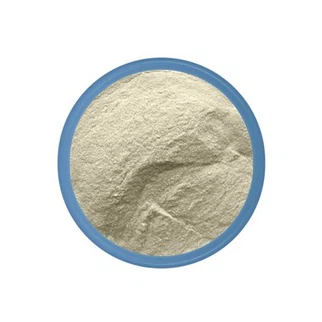
There is an increasing demand for quality beef by consumers looking for better, tastier, and sustainable foods. In addition to normal feeding practices, natural feeding supplements are attracting attention for the ability to improve the performance of livestock while providing quality meat. One of the bioactive sulfur compounds found in garlic (Allium sativum), allicin powder, has attracted attention. Well known for its antimicrobial, antioxidant, and metabolic-regulatory functions, allicin has been utilized for decades in conventional medicine practice, and it's increasingly utilized in animal nutrition as well.
For cattle beef, allicin supplementing has special advantages not just in enhancing growth efficiency and immunity but also in meat quality characteristics like flavor, tenderness, fatty acid content, and shelf life. It is in this sense that the blog expounds on how allicin powder helps in achieving improved beef quality and why it is emerging as a new natural additive in contemporary cattle ranching.
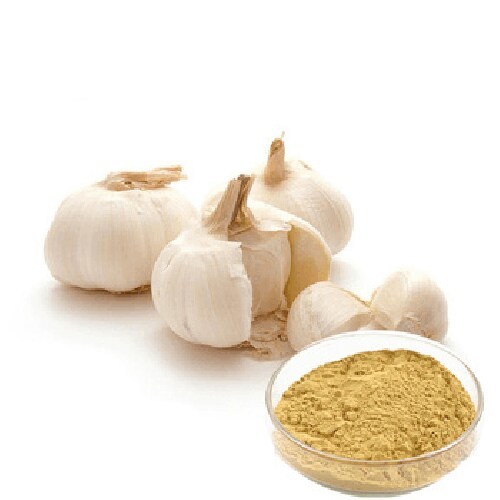,aspect=fit?size=395x0 "Allicin powder manufacturer")
What is Allicin Powder
Allicin is a sulfur compound formed when cloves of garlic are ground or minced and causes the activity of the enzyme alliinase to split alliin into allicin. Allicin is the substance responsible for garlic pungency and for most of the biological activity.
Powdered allicin can be stabilized and used in cattle feed as an additive in animal feed. Its activity is:
- Antimicrobial against disease-causing gut microbes.
- Antioxidant activity against oxidative stress.
- Improvement of nutrient absorption and feed conversion.
- Influence on lipid metabolism, with implications for meat fat quality.
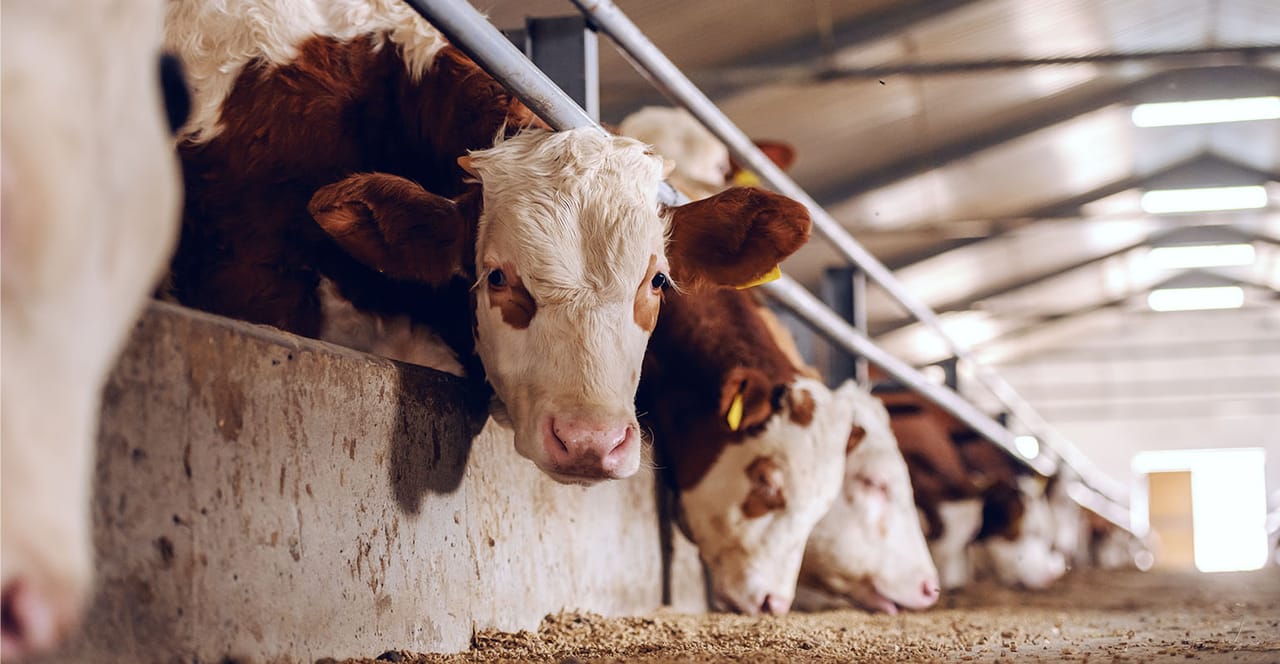
1. Improvement of the Flavor and Aroma of Beef
One of the most obvious effects of allicin is that it can alter the metabolic beef cattle profile. Garlic molecules get incorporated into tissues, leading to more mild beef flavor. The natural metabolites reduce astringent lipid oxidation smells and enhance a richer, more desirable flavor.
Researchers have found that garlic supplementation in ruminants increases the sensory quality of meat by a change in volatile compounds and reducing off-flavors due to lipid degradation.
2. Enhances Fatty Acid Profile
Fat composition is an important factor in beef quality. Allicin alters rumen microbial fermentation, specifically by reducing methanogenic archaea and increasing useful bacteria. This microbial population change changes biohydrogenation pathways, resulting in enhanced fatty acid profiles of meat.
Cattle treated with allicin exhibit:
- Increased amounts of unsaturated fatty acids (UFA), which are more advantageous for humans to ingest.
- Increased conjugated linoleic acid (CLA), which is potentially capable of anti-cancer and anti-inflammatory properties.
- Lowered saturated fatty acids (SFA), associated with heart disease.
The end product is beef with an improved lipid profile, and taste as well as better health.
3. Increases Antioxidant Potential and Shelf Life
Meat spoilage due to oxidative stress contributes significantly to color, flavor, and texture changes on storage. Allicin, being an antioxidant, inhibits lipid peroxidation and increases oxidative stability of beef.
Not only does this optimize shelf life but also helps preserve the meat's bright red color, tenderness, and juiciness-features greatly sought after by consumers and retailers alike.
4. Eliminates Bad Smells in Beef
A worldwide problem with cattle feeding is the production of offensive odors by ruminal fermentation and metabolism of sulfur. The allicin decreases these odors by inhibiting rumen fermentation and decreasing products such as ammonia and hydrogen sulfide. It results in beef of cleaner odor and higher consumer acceptability.
5. Tenderness and Texture are increased
Tenderness is among the most important meat quality traits. By inhibiting oxidative stress within muscle and increasing protein metabolism, allicin avoids hard connective tissue development. The outcome is beef with increased tenderness and juiciness in texture.
6. Enhances Animal Health for Secondary Meat Quality Benefits
Allicin enhances total cow health through:
- Enhancing immune function.
- Inhibiting gut pathogens.
- Increasing feed conversion efficiency.
Healthier livestock experience less stress and inflammation, which leads to better-quality meat with more excellent marbling, reduced toughness, and herd consistency in quality.
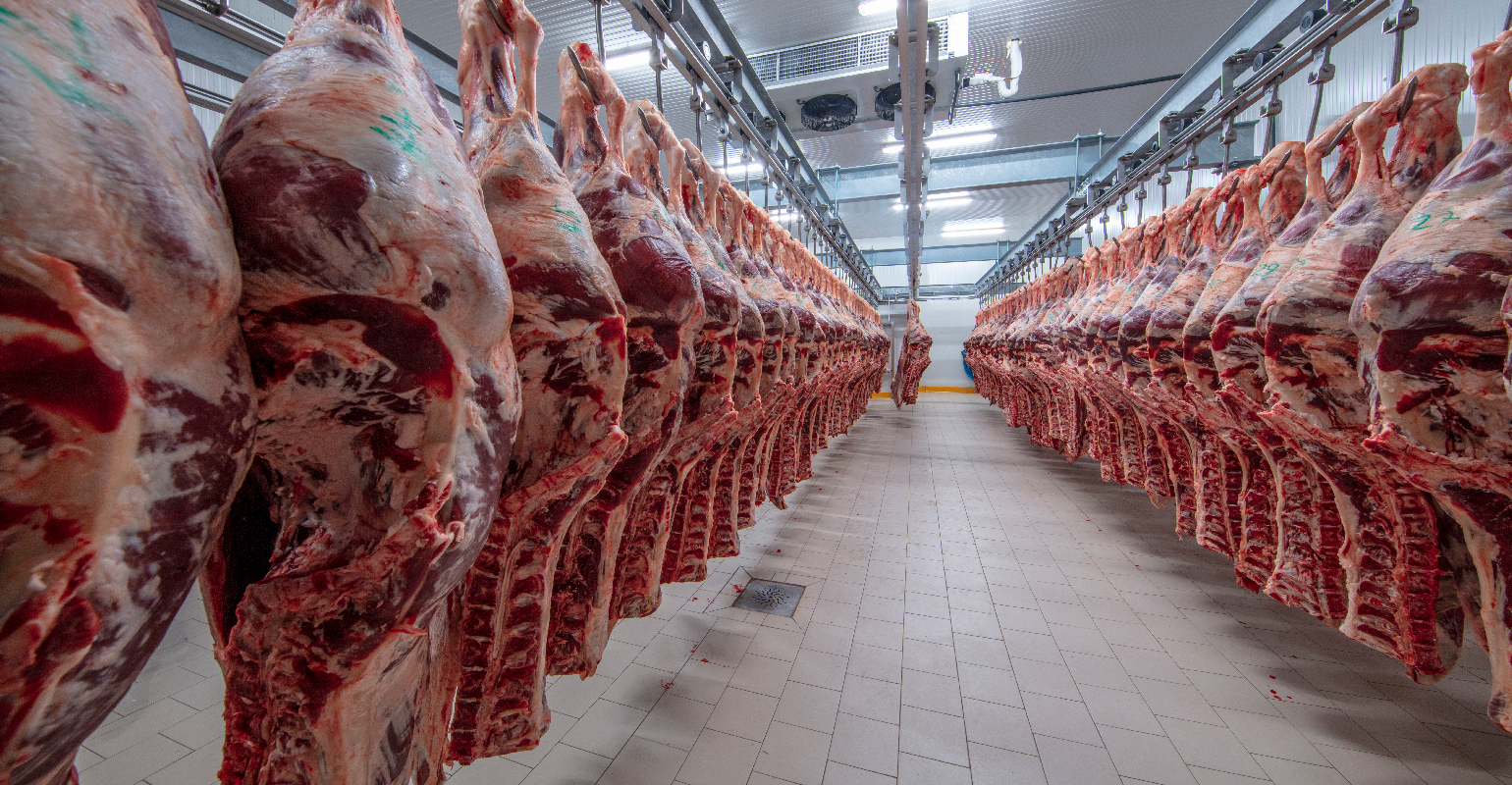
Research Evidence Supporting Allicin in Feed for Cattle
Several studies have confirmed the merit of garlic compound use in ruminant feed:
- Busquet et al. (2005) reported garlic oil influences rumen fermentation, reduces methane emission, and improved the ratio of fatty acids.
- Bampidis et al. (2005) demonstrated the effect of garlic supplementation on growth performance and feed efficiency in animals, which is an actual measurement of meat quality response.
- Prasad et al. (2015) emphasized garlic's ability to enhance lipid metabolism and inhibit oxidative damage in animal tissues.
- Patra & Yu (2012) demonstrated that plant bioactives such as allicin regulate rumen microbiota, enhancing favorable fermentation patterns affecting meat composition.
These results confirm the application of allicin powder to cattle feed as a natural, green technology to improve performance and beef quality.
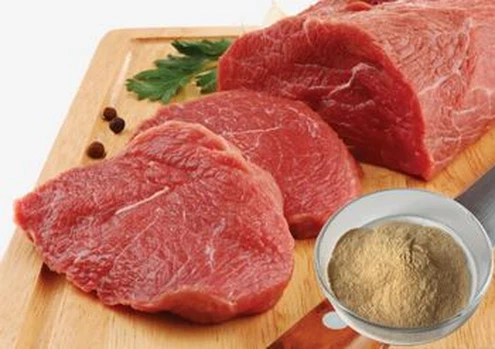
Benefits to Utilizing Allicin Powder Rather Than Synthetic Additives
- Safe and natural: No toxic residues compared with synthetic growth promoters.
- Consumer acceptable: To accommodate the increasing demand for "antibiotic-free" and "naturally raised" beef.
- Environmentally friendly: Decreases methane emissions in cattle for more sustainable agriculture.
- Economic: Enhances feed efficiency and manages losses from meat spoilage, bestowing economic gain on farmers.

Practical Application of Allicin Powder in Cattle Feed
Dosage: Supplemental allicin dosages vary but are generally added to ruminant diets at amounts of 20–100 mg/kg feed depending on the purpose and formulation of the diet.
- Formulation: Can be formulated into premixes, mineral blocks, or added directly onto feed rations.
- Synergy: Completes well when used in combination with other phytogenic feed additives like oregano oil, yucca extract, or saponins to deliver broader health and productivity benefits.

Conclusion
Allicin powder is not only a natural feed additive but a potent means of beef quality improvement and environmentally friendly production of cattle. Through flavor enhancement, fatty acid profile improvement, tenderness, and shelf life extension, allicin supplementation addresses consumer needs for improved, healthier, and tastier beef. Meanwhile, its antioxidant, antimicrobial, and rumen-modulating activities lead to the improvement of animal and environmental sustainability.
With the changing patterns of modern cattle rearing towards more natural and environmentally friendly options, allicin powder becomes a feed for cattle, enabling producers to yield beef that not only is of higher quality but also in line with the principles of sustainability and customers' health.
References
Bampidis, V. A., Christodoulou, V., Florou-Paneri, P., Christaki, E., Spais, A. B., & Chatzopoulou, P. S. (2005). Effect of dietary garlic bulb and garlic husk supplementation on performance and carcass characteristics of growing lambs. Animal Feed Science and Technology, 121(3-4), 273-283.
Busquet, M., Calsamiglia, S., Ferret, A., & Kamel, C. (2005). Effects of garlic oil and cinnamaldehyde on rumen microbial fermentation in a dual flow continuous culture. Journal of Dairy Science, 88(7), 2508–2516.
Patra, A. K., & Yu, Z. (2012). Effects of essential oils on methane production and fermentation by, and abundance and diversity of, rumen microbial populations. Applied and Environmental Microbiology, 78(12), 4271–4280.
Prasad, K., Laxdal, V. A., Yu, M., & Raney, B. L. (2015). Evaluation of garlic and allicin in atherosclerosis and other cardiovascular conditions. Journal of Nutrition, 145(2), 389S–392S.
Wallace, R. J., McEwan, N. R., McIntosh, F. M., Teferedegne, B., & Newbold, C. J. (2002). Natural products as manipulators of rumen fermentation. Asian-Australasian Journal of Animal Sciences, 15(10), 1458–1468.