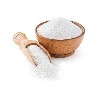
Allulose Powder , also known simply as allulose or as D-psicose , is an epimer of fructose that is used by some commercial food and beverage manufacturers as a low-calorie sweetener. A rare sugar with a sugar-like taste and low caloric contribution in human nutrition. These characteristics have attracted interest in alternative sweetener research. Allulose occurs naturally in small quantities in a variety of foods. It was first identified in the 1940s, although the enzymes needed to produce it on an industrial scale were not discovered until the 1990s.
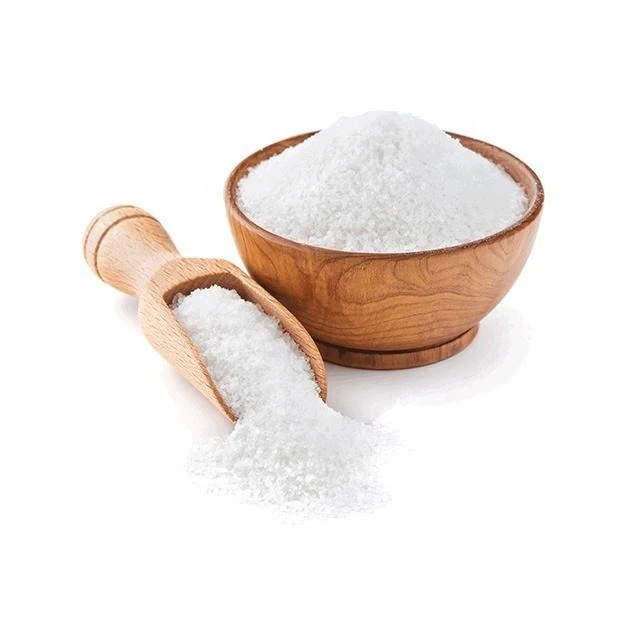
Why Feed Palatability Matters in Animal Nutrition
Feed palatability usually refers to how acceptable the feed to animals based on its taste, smell, texture, physical characteristics and their previous feeding experiences. Some nutritionally balanced feed may be rejected for some reason like, unfamiliar ingredients, dietary changes, environmental stress or poor feed quality.
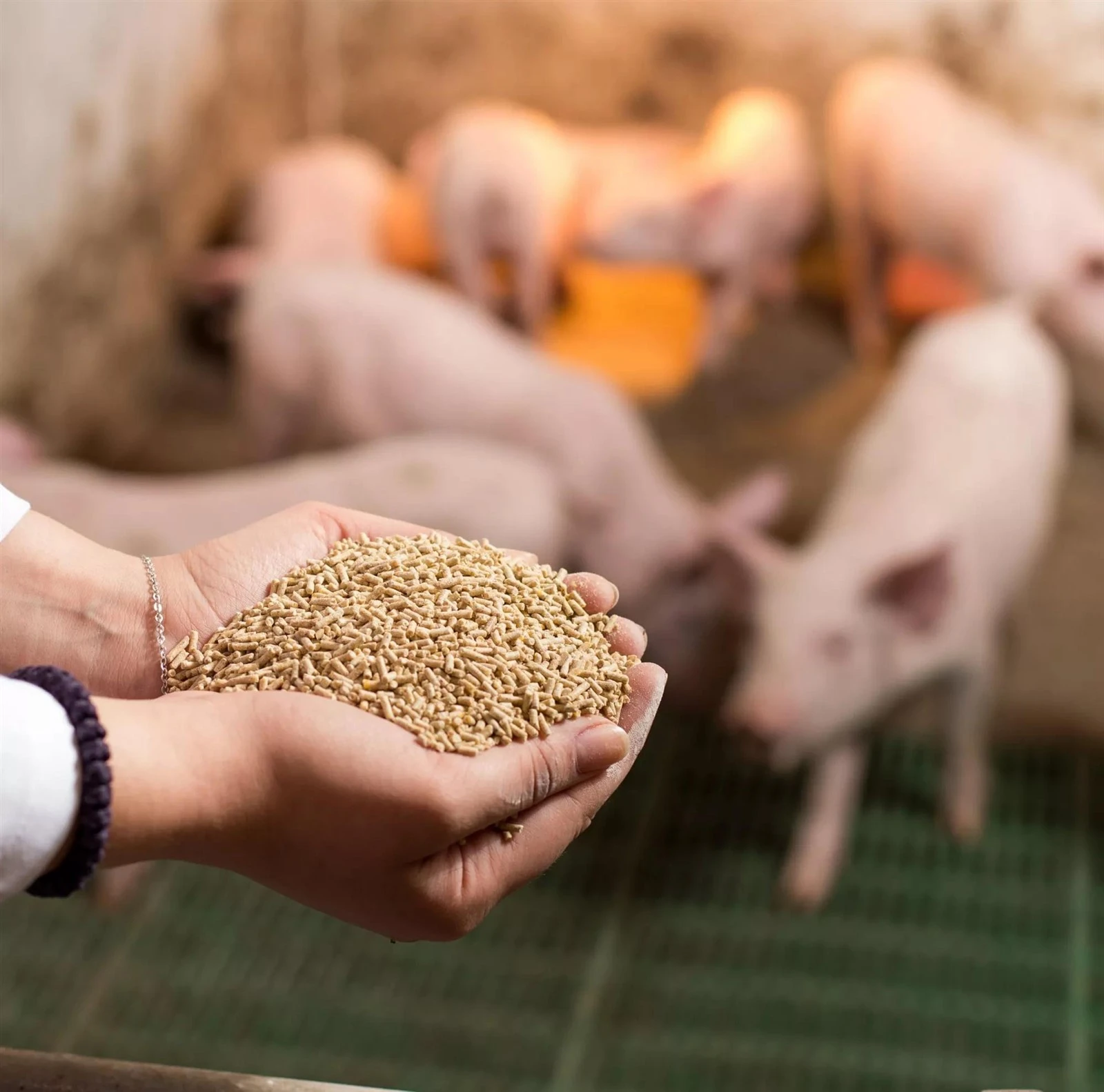
1. Feed Refusal in Newly Weaned Piglets
Newly weaned piglets often eat less as they adjust from sow's milk to solid feed. Changes in feed taste, texture, environment, and feeding routines can affect their appetite and nutrient intake.
Where could Allulose Powder fit?
Allulose has a sugar-like taste and may be worth exploring as a sweetening ingredient to improve starter feed acceptance. However, more research is needed to confirm its effects on piglet feed intake and growth.
2. Inconsistent Feed Consumption in Poultry
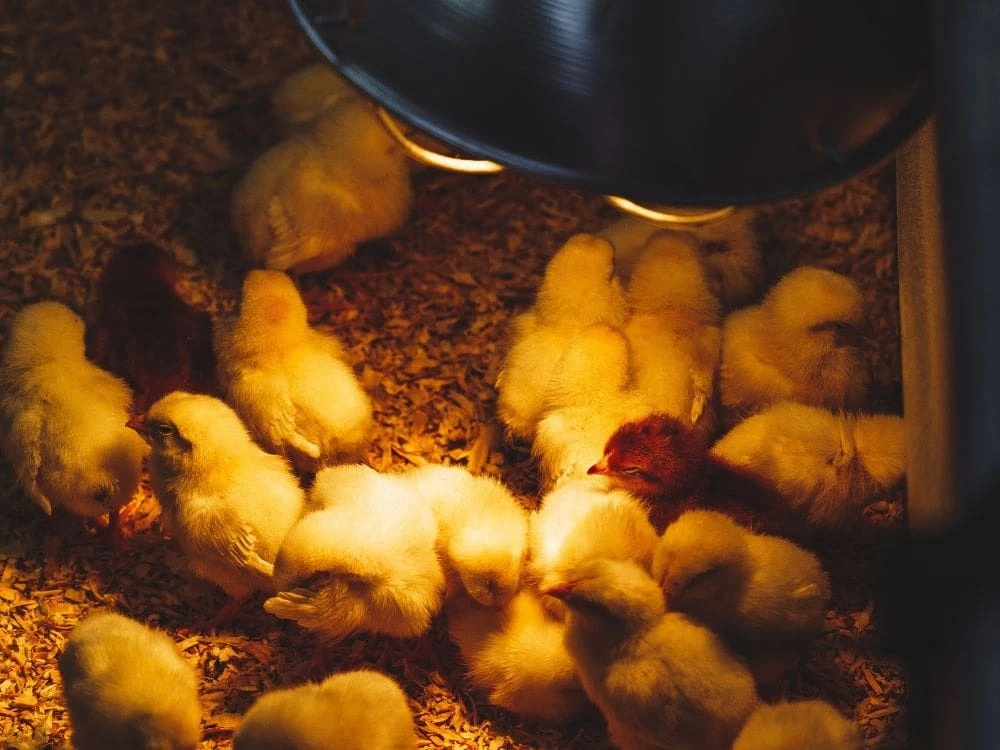
Poultry feed intake can vary due to factors such as heat stress, feed quality, particle size, and bird health. These factors may reduce feed consumption and affect nutrient intake.
Where could Allulose Powder fit?
Allulose may be explored as an experimental feed ingredient, but its effects on poultry are still unclear. More research is needed to determine whether it can improve feed intake and feed conversion.
What Makes Allulose Powder Different?
Allulose is a rare monosaccharide found naturally in small quantities in some particular foods. Commercial allulose is usually manufactured through enzymatic conversion of fructose.
The allulose characteristics are as follows:
- Approximately 70% as Sweet as Sucrose: it has a sugar-like taste that's making it a potential sweetener for research. However, animals may react to sweetness differently.
- Low Caloric Contribution: it provides fewer calories than regular sugar in human nutrition, but its effects may vary across animal species.
- Potential for Feed Formulation: it may offer flexibility in feed formulation, but its compatibility with other ingredients, processing, and storage needs further testing.
What Does Current Research Tell Us?
Piglet Palatability Research (2025)
A discussion for the role of taste perception and palatability additives in feed acceptance was reviewed entitled Modulating Taste Perception in Newly Weaned Piglets . It highlights how taste and aroma can influence feeding behavior during the post-weaning period.
Allulose Metabolism and Rare Sugars (2026)
A review published in Frontiers in Food Science and Technology examines the metabolic properties, technological functionality, and potential applications of rare sugars, including allulose It highlights growing scientific interest in alternative sweeteners.
Aquaculture Ingredient Evaluation (2020)
A research published in Aquaculture Nutrition that emphasizes the importance of assessing palatability, digestibility, nutrient utilization, and processing performance in introducing the new feed ingredients.
How Should Feed Manufacturers Evaluate Allulose Powder?
Step 1: Identify the Actual Feed Acceptance Problem
Determine whether poor consumption is related to taste, aroma, feed texture, environmental conditions, health, or nutritional formulation.
Not every feed intake problem can be solved by changing the sweetening ingredient.
Step 2: Confirm Species Suitability and Regulatory Status
Review available safety evidence and confirm whether the ingredient is permitted for the intended animal species and destination market.
Human food approvals do not automatically authorize animal-feed applications.
Step 3: Conduct Controlled Formulation Trials
Where legally permitted and supported by appropriate safety evidence, compare experimental formulations with standard control diets.
Evaluate the following:
- Daily feed intake.
- Feed preference and refusal.
- Feed wastage.
- Digestive tolerance.
- Improve performance.
- Feed conversion ratio.
Step 4: Evaluate Commercial Value
Assess whether the ingredient provides benefits relative to its cost and to consider ingredient pricing, formulation compatibility, processing performance, availability, and supply consistency.
Bulk Allulose Powder: Sourcing Considerations
For international feed manufacturers and bulk ingredient distributors, ingredient quality and documentation are essential procurement considerations.
Buyers should evaluate the following when sourcing Allulose Powder:
- Purity and Identity: Request a current Certificate of Analysis (COA) confirming D-allulose content and the analytical testing method.
- Contaminant Testing: Review applicable microbiological, heavy metal, and other safety parameters.
- Batch Consistency: Confirm that product specifications remain consistent across production batches.
- Packaging and Shelf Life: Evaluate packaging protection, moisture sensitivity, storage conditions, and transport requirements.
- Technical Documentation: Request specifications, safety documentation, and relevant certificates.
- Regulatory Compliance: Confirm the ingredient's permitted use for the intended animal species and destination market.
These considerations help procurement teams assess ingredient suitability before committing to bulk purchasing.
The Future of Allulose in Animal Feed
As the animal nutrition industry explores alternative ingredients, rare sugars such as allulose may attract additional scientific interest.
Its sweetness profile and distinctive metabolic characteristics offer potential research directions.
- However, its commercial role in animal feed will depend on:
- Species-specific safety studies.
- Controlled feed acceptance trials.
- Digestibility and metabolic research.
- Processing compatibility.
- Regulatory approval.
- Demonstrated economic value.
For feed manufacturers, the objective should be to identify ingredients that deliver reliable, measurable results under commercial production conditions.
Why Choose HJHERB Biotechnology?
HJHERB Biotechnology offers a wide range of products that are of high quality and value to a variety of industries, including the agricultural industry. It is imperative in creating the highest quality feed products for animals and even aquaculture and industrial cleaning products. All of the products at HJHERB are produced in a facility that is certified in the AFIA's Safe Feed/Safe Food Certification Program. Contact us by email: info@hjagrifeed.com
Website: https://hjagrifeed.com/
References
- Modulating Taste Perception in Newly Weaned Piglets: The Role of Palatability Additives in Enhancing Feed Intake and Performance. (2025) .
- Beyond Sweetness: Rare Sugars as Next-Generation Functional Food Ingredients for Metabolic Health, Food Innovation, and Sugar-Reduction Strategies. Frontiers in Food Science and Technology (2026).
- A Feed Is Still Only as Good as Its Ingredients: An Update on the Nutritional Research Strategies for the Optimal Evaluation of Ingredients for Aquaculture Feeds. Aquaculture Nutrition (2020).
- Food Standards Australia New Zealand. Application A1247: D-Allulose as a Novel Food. (2024).