In animal nutrition, optimal health, growth, and performance frequently rest on the judicious application of all-critical vitamins and antioxidants in the ration. Lipid-soluble Ascorbyl Palmitate USP, a vitamin C derivative, is increasing in use as a beneficial additive to livestock, poultry, aquaculture, and pet animals. Due to its antioxidant activity and stability against normal degradation of ascorbic acid, Ascorbyl Palmitate USP enhances immunity, enhances feed quality, and benefits the animal against oxidative stress.
The article presents the role, advantage, and safety profile of Ascorbyl Palmitate USP in animal nutrition based on modern science and experience.

What is Ascorbyl Palmitate USP?
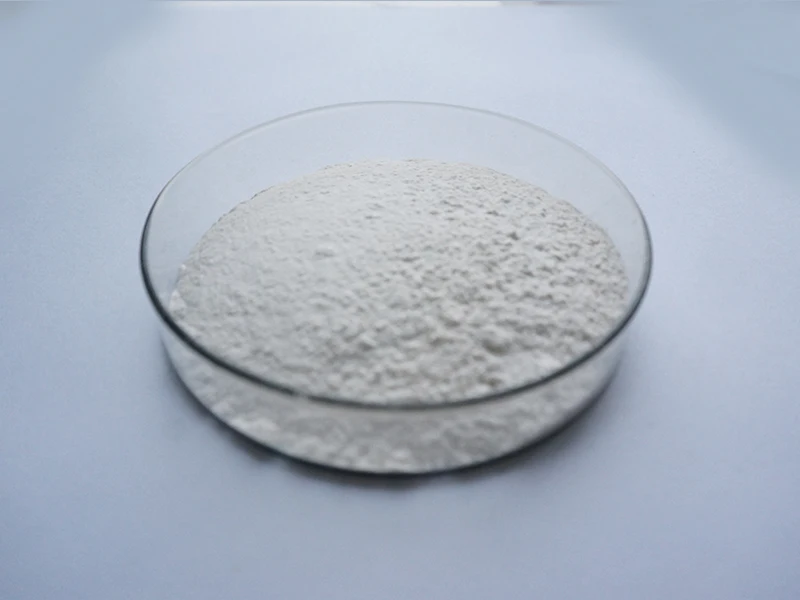
Ascorbyl Palmitate is an ester between ascorbic acid (vitamin C) and palmitic acid. It imparts fat solubility to it, making it more stable in diet and facilitating penetration across lipid-rich biological membranes.
USP grade (United States Pharmacopeia) ensures purity, uniformity, and compliance with accepted standards of quality and is therefore ideal for use in feed manufacturing where high-quality control is required.
Key Features:
- Fat-soluble antioxidant
- Stabilized more than pure vitamin C when heat and light are applied
- May be a nutrient and/or preservative
- Is compatible with all animal species

Advantages of Ascorbyl Palmitate USP in Animal Feed
1. Antioxidant Protection
Animal oxidative stress is caused by heat, disease, toxins, and metabolism. Free radicals that are formed from these processes can cause damage to cells, inhibit immunity, and reduce productivity.
Ascorbyl Palmitate is an antioxidant free radical scavenger that guards cellular lipids, proteins, and DNA.
It inhibits polyunsaturated fatty acids in feed from rancidification and nutrient loss.
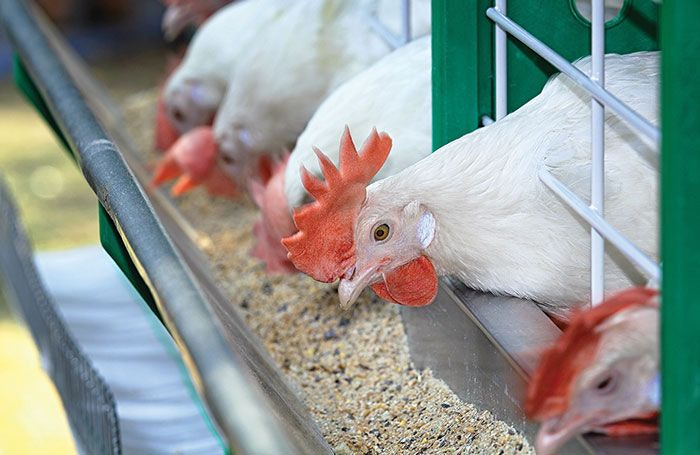
Example: Oxidative heat-induced stress in chickens decreases feed consumption and egg quality. These losses can be prevented by Ascorbyl Palmitate antioxidant supplementation.
2. Support of the Immune System
Vitamin C is required for immune protection, but dietary supplementation in most animals is needed under stress. Ascorbyl Palmitate USP:
- Augments activity of white blood cells.
- Increases antibody response.
- Augments recovery following challenge by disease.
This makes it suitable for application in weaning piglets, poultry transport stress, or aquaculture handling stress.
3. Enhanced Vitamin C Stability
Traditional vitamin C (ascorbic acid) deteriorates when produced as part of the feed (heat, water), and also when stored.
- Ascorbyl Palmitate fat solubility minimizes its heat sensitivity while going through pelleting and extrusion.
- This enables fault-free delivery of the vitamin C activity during the shelf life of the feed.
4. Enhanced Lipid Utilization
Ascorbyl Palmitate gets incorporated into cell membranes and lipid sheets, where it can:
- Assist in guarding dietary fats against oxidation.
- Contribute to membrane stability in the gut and other tissues.
- Potentially maximize energy efficiency on high-fat diets.
This is especially relevant to:
- Broiler chickens on high-energy diets.
- Fish species requiring high dietary oil levels.
5. Synergistic Actions with Vitamin E
Vitamin E is a fat-soluble antioxidant vitamin. In combination:
Ascorbyl Palmitate may be able to regenerate oxidized vitamin E, thereby extending its antioxidant life.
In combination, the duo inhibits lipid peroxidation better than when administered individually for each of these vitamins.

Uses in the Different Animal Industries
Poultry
- Broilers: Enhanced rate of growth and feed efficiency under heat stress.
- Layers: Enhanced egg quality, yolk color preservation, and hatchability.
- Breeders: Fertility and embryonic viability improvement.
Swine
Piglets: Enhanced immune resistance at weaning.
Sows: Inhibition of oxidative stress during lactation.
Grower/finisher pigs: Avoids meat spoilage by inhibiting lipid oxidation after slaughter.
Aquaculture
- Increases fish and shrimp disease resistance.
- Protects high-oil diets from rancidity.
- Avoids skin and scale damage.
Companion Animals
- Avoids skin and coat damage in cats and dogs.
- Increases antioxidant defense in aging pets.
Recommended Inclusion Rates
Dosage is variable according to species, type of diet, and level of production.
Typical levels of inclusion are:
- Poultry: 50–200 mg/kg feed
- Swine: 50–150 mg/kg feed
- Aquaculture: 100–500 mg/kg feed
Pets: Formulation to be modified according to body weight
Industry feed manufacturers should adhere to supplier direction and regulation within their domicile.
Follow-up Considerations
Safety of Ascorbyl Palmitate USP is deemed acceptable (GRAS) when at accepted levels.
Over-supplementation risk:
- At extremely high concentrations, it possesses the ability to influence lipid metabolism.
- Potential gastrointestinal distress in sensitive animals.
To preclude such risks, proper mixing in feed and stability testing must be ensured.

Conclusion
Ascorbyl Palmitate USP benefits animal nutrition twofold: it's a heat-stable source of vitamin C and an effective antioxidant that maintains feed quality and animal health. Its thermal stability, fat solubility, and complementarity with other antioxidants render it of broad interest to poultry, swine, aquaculture, and pets.
When supplemented at adequate levels, it assists animals in sustaining effective immune defenses, stress resistance, and peak performance - while adding stability and nutritional integrity to feed.
References
Chatterjee, I. B., et al. (1975). "Biological functions of ascorbic acid in animals." Annals of the New York Academy of Sciences, 258(1), 24-47.
Lin, Y. F., & Chang, S. J. (2006). "Effects of supplemental ascorbic acid on egg shell quality and performance in laying hens under high environmental temperature." Poultry Science, 85(11), 1941–1948.
NRC (National Research Council). (2012). Nutrient Requirements of Swine. National Academies Press.
NRC (National Research Council). (1993). Nutrient Requirements of Fish. National Academies Press.
Reddy, M. B., & Love, M. (1999). "The impact of ascorbic acid on iron absorption and antioxidant protection." Nutrition Research, 19(4), 581–602.