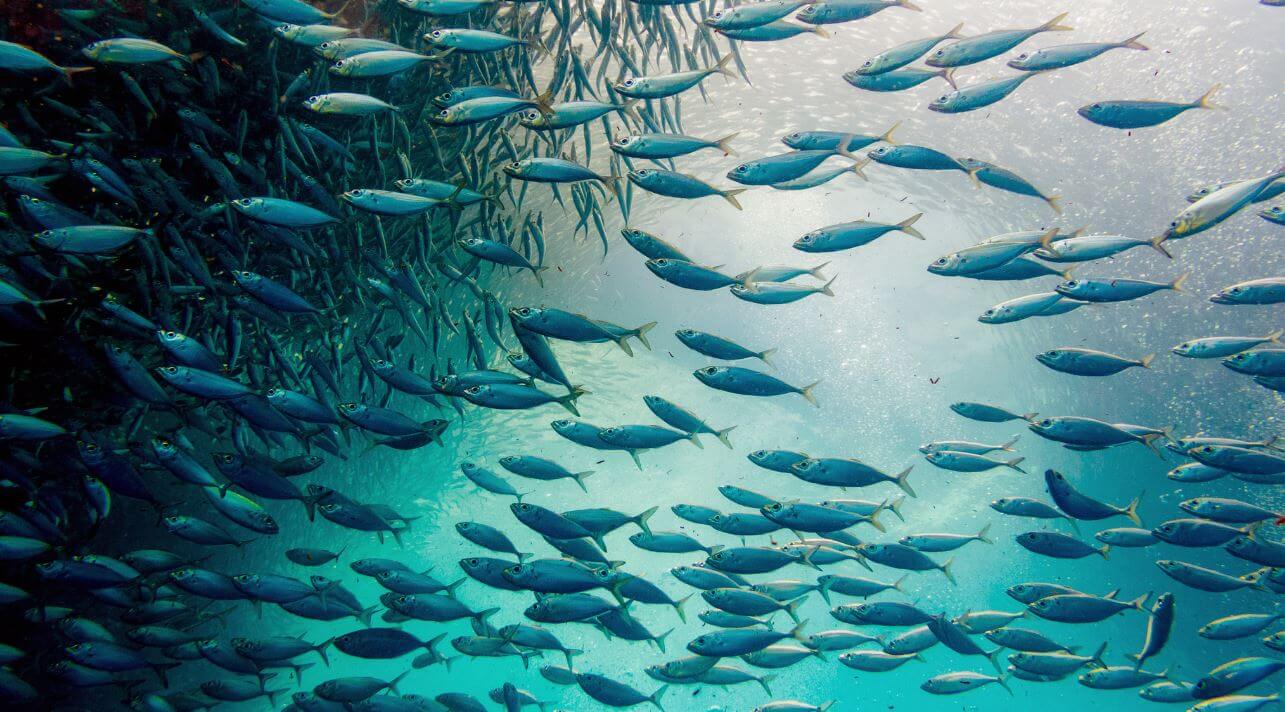
Aquaculture is now the world's fastest-growing food-producing industry, producing almost half of all seafood consumed worldwide. With steadily growing demand for high-quality seafood, food manufacturers and mills search for natural, effective, and safe additives promoting growth, color, immunity, and overall fish health. Astaxanthin, a natural carotenoid pigment found in microalgae (Haematococcus pluvialis), krill, shrimp, and salmon, is among the most highly demanded aquaculture supplements.
Although reported to grow in growth and pigmentation benefits, stakeholders question: Is astaxanthin safe for use in aquaculture nutrition? It discusses here its safety status, regulatory approval status, benefits, and use in fish and shrimp culture.
What Is Astaxanthantin
Astaxanthin is the orange-red xanthophyll carotenoid pigment naturally used to provide salmon, trout, and shrimp with pink-red color. Other than color, it is a powerful antioxidant that saves cells from oxidative stress. Aquatic animals are exposed to stressful environmental conditions like crowding, bad water quality, and disease susceptibility at all times. Astaxanthin, therefore, has a significant contribution towards survival and resistance.

Is Astaxanthin Safe in Aquaculture?
1. Scientific Safety Evaluations
Various studies affirm that astaxanthin is safe in fish and shrimp when applied as dietary recommended levels in food. Astaxanthin is not toxic and never builds up in tissues to lethal levels. Rather, astaxanthin improves product quality along with fish health.
2. Regulatory Approvals
European Union (EU): European Food Safety Authority (EFSA) has approved astaxanthin as a feed additive in ornamental fish, crustaceans, and salmonids.
- United States (FDA): Generally Recognized as Safe (GRAS) for animal feed use.
- Asia-Pacific: Highly established in aquaculture feed for growth and pigmentation formation.
The above regulatory clearances prove the world's acceptance of its safety and performance for aquaculture nutrition.
3. No Adverse Impact on Food Safety
Astaxanthin is deposited naturally into fish tissue, and this contributes to the desirable color and appearance of trout and salmon. Surprisingly, deposition has no negative effect on human consumption whatsoever. Rather, astaxanthin contributes antioxidant value to aquatic products in a manner that the end product turns out to be healthy for consumption by human beings.
Benefits of Astaxanthin to Aquaculture
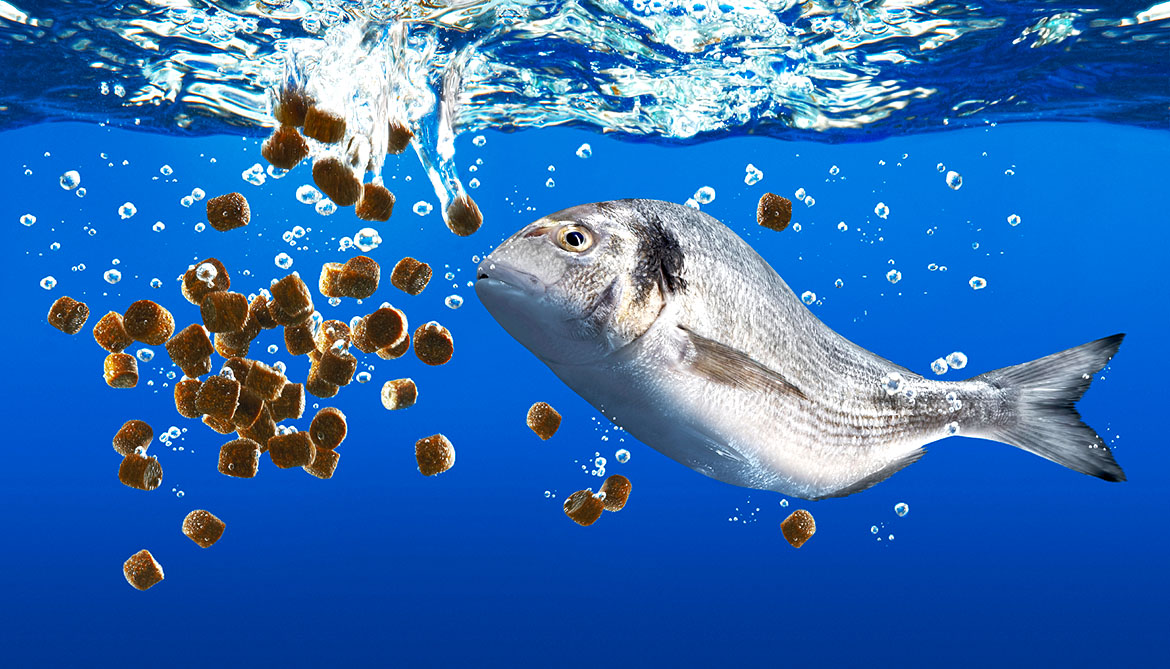
1. Pigmentation and Market Value
The most obvious advantage of astaxanthin is that it provides salmon, trout, and shrimp with their desirable pink-orange hue. Pigmented products will command a premium price because customers relate such a color to freshness and quality.
2. Antioxidant Defense
Astaxanthin blocks free radicals, protecting fish flesh from handling stress, stocking density, or environmental stress. Mortality is lessened, and growth performance is enhanced.
3. Immune System Support
Fish and shrimp that are fed astaxanthin-supplemented diets exhibit enhanced immune function, disease resistance, and survival in stress tests.
4. Reproductive Health
Astaxanthin is associated with enhanced reproductive performance of broodstock, egg quality, hatch rate, and larvae survival.
5. Growth and Feed Efficiency
Supplementation with astaxanthin enhances feed conversion ratios (FCR) and also reinforces growth acceleration, making it an economic investment in aquaculture feeding.

Recommended Usage in Aquaculture Feeds
Astaxanthin inclusion rate is broken down based on species, degree of pigmentation, and impact on health. Standard doses are:
- Salmon and Trout: Pigmentation and health in 50–100 mg/kg diet.
- Shrimp: Pigmentation, resistance to stress, and survival in 50–75 mg/kg diet.
- Ornamental Fish: To induce deep color in 20–60 mg/kg diet.
Over-supplementation won't normally be toxic but won't be any more effective at more than recommended levels.

Why Astaxanthin Is Safe
- Natural Source: Obtained from algae, krill, and other aquatic ones.
- Non-toxic: Stringently tested for safety with no sign of any negative effect.
- Regulatory Approval: Approved in all parts of the world by food regulatory bodies as safe to use in food.
- Consumer Health Benefits: Provides antioxidant value to seafood food.
Conclusion
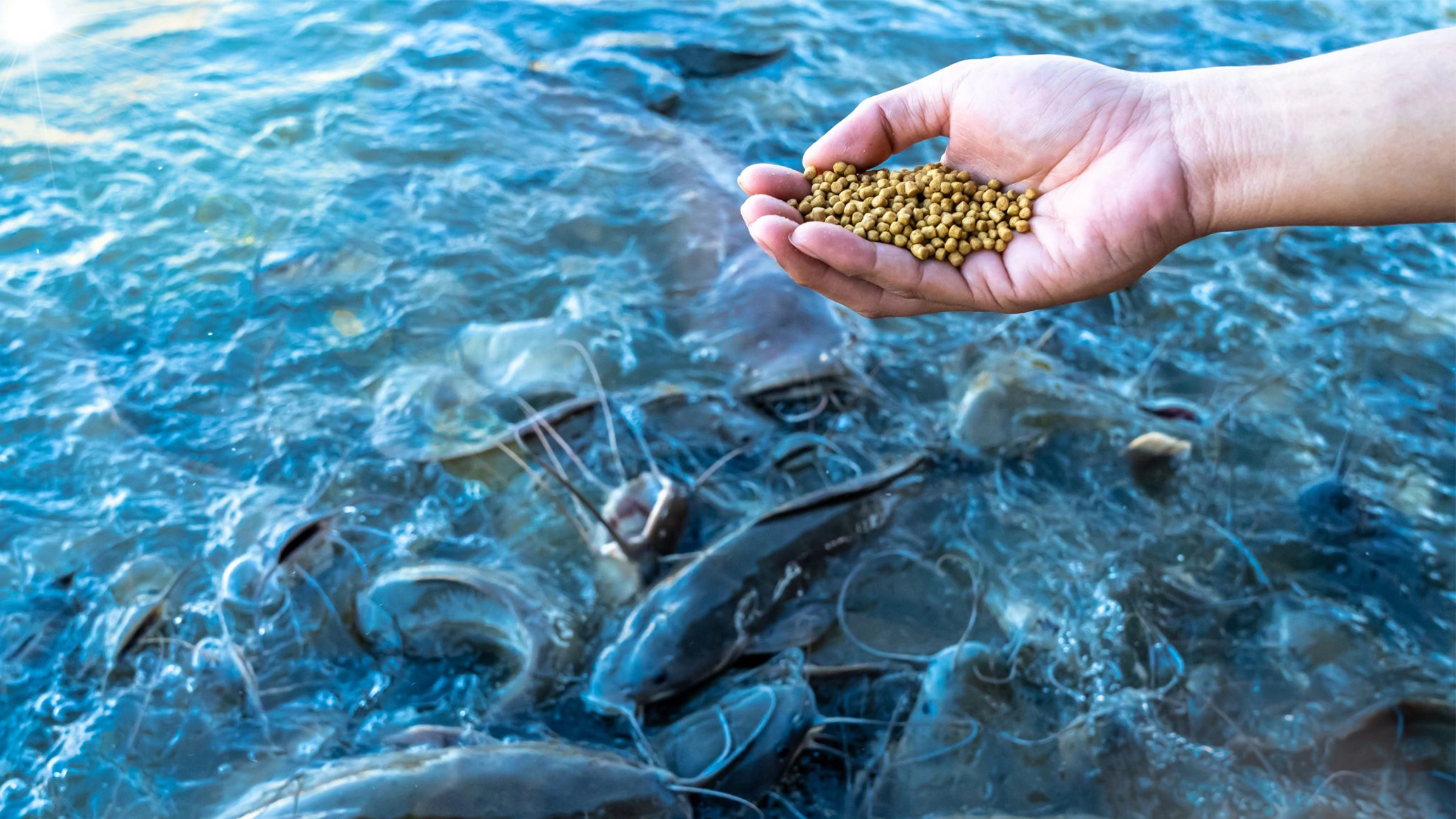
Astaxanthin is not only safe but also vital in today's aquaculture diets. It's well beyond the pigmentation to increase growth, immunology, reproduction, and survival. Regulated approvals and decades of science-approved credentials provide astaxanthin as a safe and sustainable shrimp and fish aquaculture feed additive.
As aquaculture continues to grow further, use of natural, safe, and efficient food ingredients such as astaxanthin will be the solution to addressing consumers' demand for healthy, quality seafood.
References
EFSA Panel on Additives and Products or Substances used in Animal Feed (FEEDAP). (2014). Scientific Opinion on the safety and efficacy of astaxanthin for fish and crustaceans. EFSA Journal, 12(6), 3724.
Ambati, R. R., et al. (2014). Astaxanthin: Sources, extraction, stability, biological activities and its commercial applications-A review. Marine Drugs, 12(1), 128–152.
Torrissen, O. J., et al. (2011). Atlantic salmon (Salmo salar): The color of flesh and the carotenoid pigments. Aquaculture, 317(1–4), 129–142.
Lim, K. C., et al. (2018). The effect of dietary astaxanthin on growth, pigmentation, and antioxidant capacity of shrimp (Litopenaeus vannamei). Aquaculture Research, 49(1), 349–358.
Hussein, G., et al. (2006). Astaxanthin, a carotenoid with potential in animal nutrition and human health. Journal of Natural Products, 69(3), 443–449.