As dogs grow old-nay, as dogs reach maturity-most of them succumb to such afflictions as stiff knees, scratching coats, or failing eyesight. As de rigueur as a well-heated plate and vet visits on a regular basis, supplements are something one takes for general health. One of the more holistic supplements on the market for pets is astaxanthin powder, an ultra-concentrated antioxidant derived from microalgae (Haematococcus pluvialis).
Simply known as the "king of carotenoids," astaxanthin is a carotenoid pigment which is natural that gives salmon, krill, and shrimp the pink-red color. What it really provides to pet food is that it combats oxidative stress, inflammation, and shields sensitive tissues like joints, skin, and eyes.

What is Astaxanthin Powder
Astaxanthin is a fat-soluble carotenoid antioxidant and a member of the same carotenoid family as lutein and beta-carotene. Astaxanthin is unique from most other carotenoids because the body does not hydrolyze it into vitamin A and therefore is not presenting any risk for toxic build-up of excess vitamin A. Astaxanthin's conformation makes it cell-permeable and capable of protecting the inner and outer cell membrane surfaces from oxidative damage.
Oxidative stress has also been found to be involved in many chronic animal physiology diseases, such as arthritis, skin allergic disease, and age-related eye disease. Its wide range of antioxidant activities makes astaxanthin a much better additive to be added to animal feed for delivering long-term health and vitality.
1. Astaxanthin for Joint Health
Stiffness, arthritic pain, and reduced mobility in mature dogs and giant breeds with a history of joint inflammation are cited. Cartilage and connective tissue are being attacked by oxidative stress and inflammation, leading to pain and reduced activity.
Astaxanthin accomplishes all this by:
- Stopping pro-inflammatory chemicals that cause arthritis.
- Preventing cartilage cells from oxidative stress.
- Maintaining older or active dog flexibility and mobility.
Park et al. (2010) have demonstrated that astaxanthin supplementation lowered inflammation markers and improved joint health in animal models, and thus potentially beneficial in arthritis or mobility-impaired companion dogs.
2. Astaxanthin for Skin and Coat Health
Skin and skin coat disorders such as itch, dryness, and allergy are prevalent in dog owners. Immune dysregulation, food intolerance, or exposure to environmental toxins will commonly lead to these. Astaxanthin, as an anti-inflammatory agent and free radical quencher, preserves the coat and skin integrity.
Benefit:
- Inflammation of the skin by allergy is prevented.
- Wound healing and prevention of oxidative destruction of the skin cells.
- Better healthy and shiny coat due to better water content of the skin.
A human clinical trial proved astaxanthin supplementation that boosted the elasticity of skin, smoothed out wrinkles, and showed UV protecting effects (Tominaga et al., 2012). Skin cytoprotection can be extrapolated to sun-damaged canines or canine allergies.
3. Astaxanthin for Eye Health
Vision health is also another category where astaxanthin comes in so handy. Astaxanthin is one of the few antioxidants that can travel past the blood-retina barrier and into tissue itself of the eyes, where it protects it from harm. This is extremely handy on older dogs or vision-challenged breeds like cataracts, glaucoma, or retinal degeneration.
Astaxanthin maximizes vision health by:
- Protecting against oxidative damage to retinal cells.
- Guarantees visual acuity and postponement of age-related vision loss.
- Prevents UV-induced eye damage.
Nakajima et al. (2008) in a study reported that astaxanthin supplementation maintained retinal perfusion and visual function and could possibly ensure normal vision in animal and human life.
Dosage and Administration in Dogs
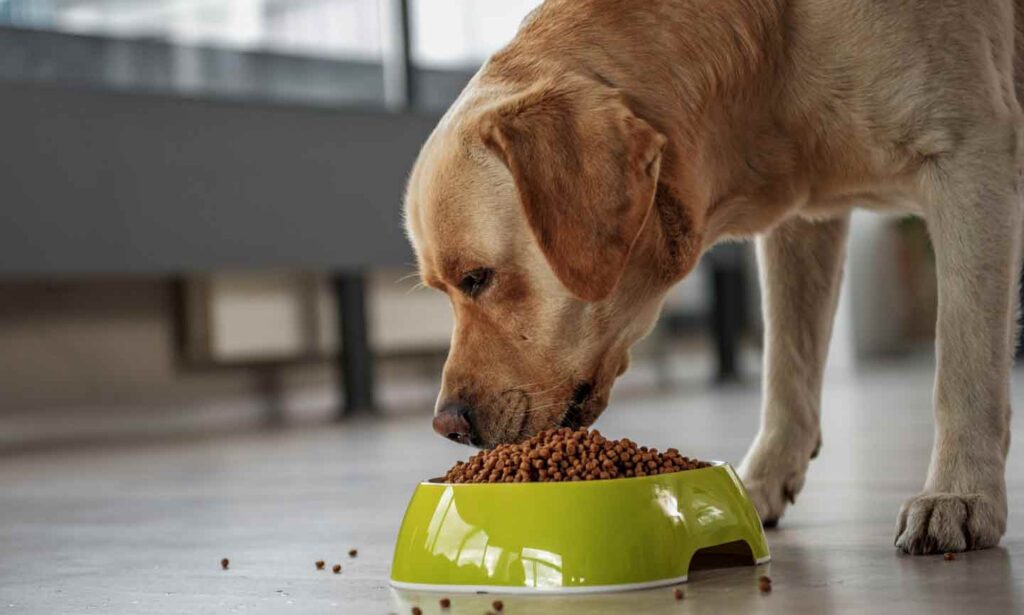
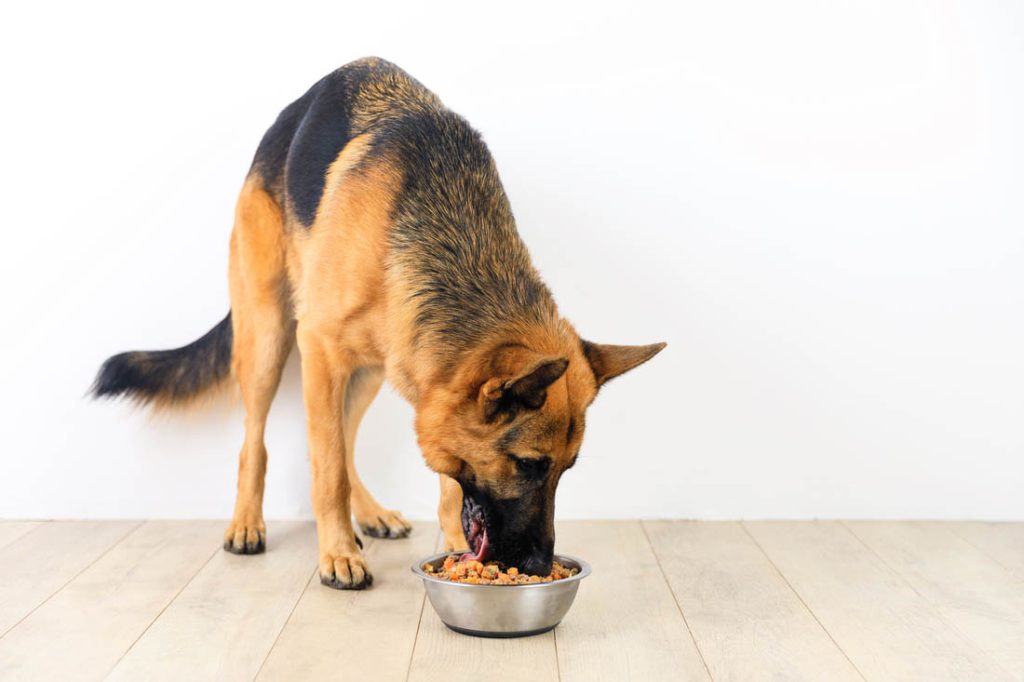
Astaxanthin supplement comes in the form of powder, capsular, or oily form. It can be added to dog food as a powder so that it can be easily consumed on a daily basis.
Administration dosage:
- Small breed: 1–2 mg daily
- Medium breed: 2–4 mg daily
- Large breed: 4–8 mg daily
Because astaxanthin is a fat-dissolving supplement, it must be added to oily foods containing healthy fats (such as chicken fat or fish oil) so that it becomes absorbable.
Tip: Discuss with a veterinarian first before adding the supplement to the dog's diet, particularly when the dog has a medical history of underlying conditions or is already taking medication.

Safety of Astaxanthin in Dogs
Astaxanthin is nontolerant and nontoxic and can be safely utilized in dogs. Astaxanthin is not harmful in terms of side effects in contrast to synthetic antioxidants and safe for long-term oral consumption. Ikeuchi et al. (2006) explained the scope of astaxanthin supplementation curbing oxidative stress and inflammation but not causing toxicity and thus safe in the long term.

Conclusion
Astaxanthin powder | Beyond the natural color | Powerful anti-inflammatory and antioxidant with uses for a variety of dog health. From comfort for arthritic pain and increased mobility to overall skin health and eye shield, astaxanthin is the do-it-all supplement.
For any dog owner seeking a natural, healthy method of energizing and prolonging the life of a dog, astaxanthin is certainly a choice worth considering. To apply to joints, skin, and eyes, it maintains the dog active, comfortable, and glowing in the course of time.
References
Ikeuchi, M., Koyama, T., Takahashi, J., & Yazawa, K. (2006). Effects of astaxanthin supplementation on exercise-induced fatigue in mice. Biological & Pharmaceutical Bulletin, 29(10), 2106–2110.
Nakajima, Y., Inokuchi, Y., Shimazawa, M., & Hara, H. (2008). Astaxanthin, a dietary carotenoid, protects retinal cells against oxidative stress in-vitro and in-vivo. Brain Research, 1184, 193–202.
Park, J. S., Chyun, J. H., Kim, Y. K., Line, L. L., & Chew, B. P. (2010). Astaxanthin decreased oxidative stress and inflammation and enhanced immune response in humans. Nutrition & Metabolism, 7(18), 1–10.
Tominaga, K., Hongo, N., Fujishita, M., Takahashi, Y., & Adachi, Y. (2012). Protective effects of astaxanthin on skin deterioration. Journal of Clinical Biochemistry and Nutrition, 51(2), 102–107.