Understanding Astaxanthin
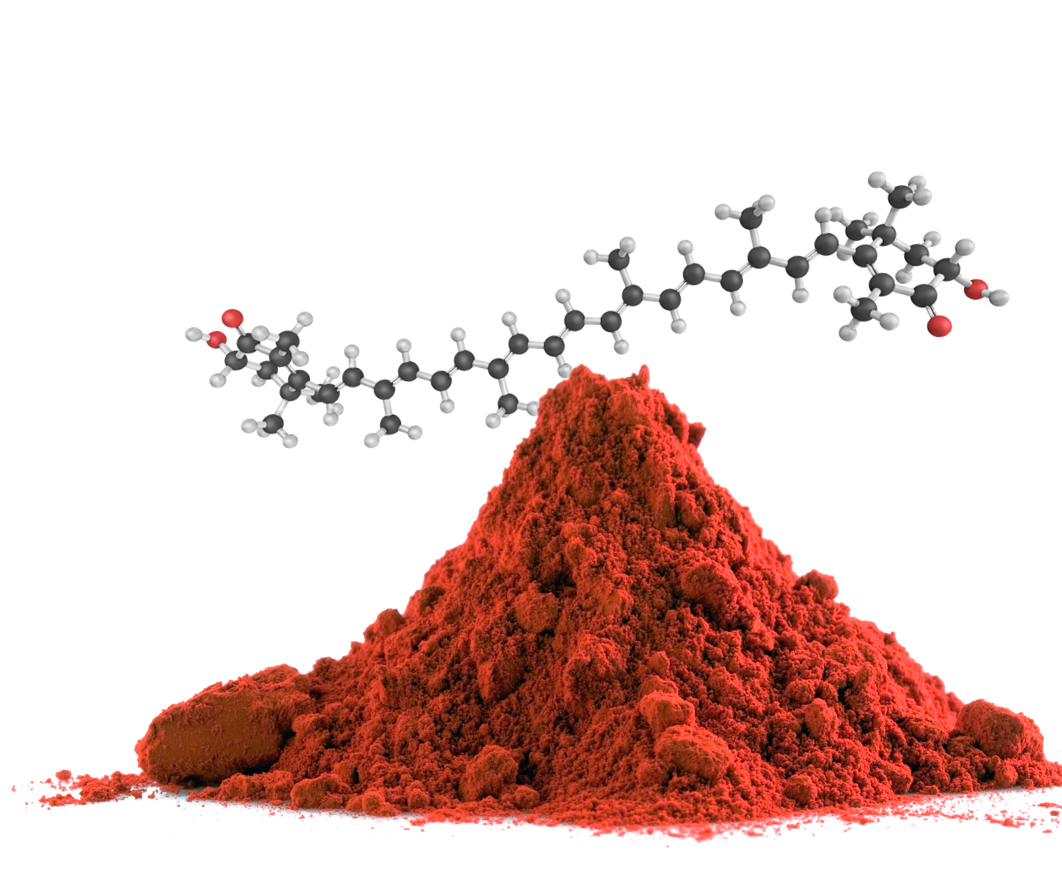
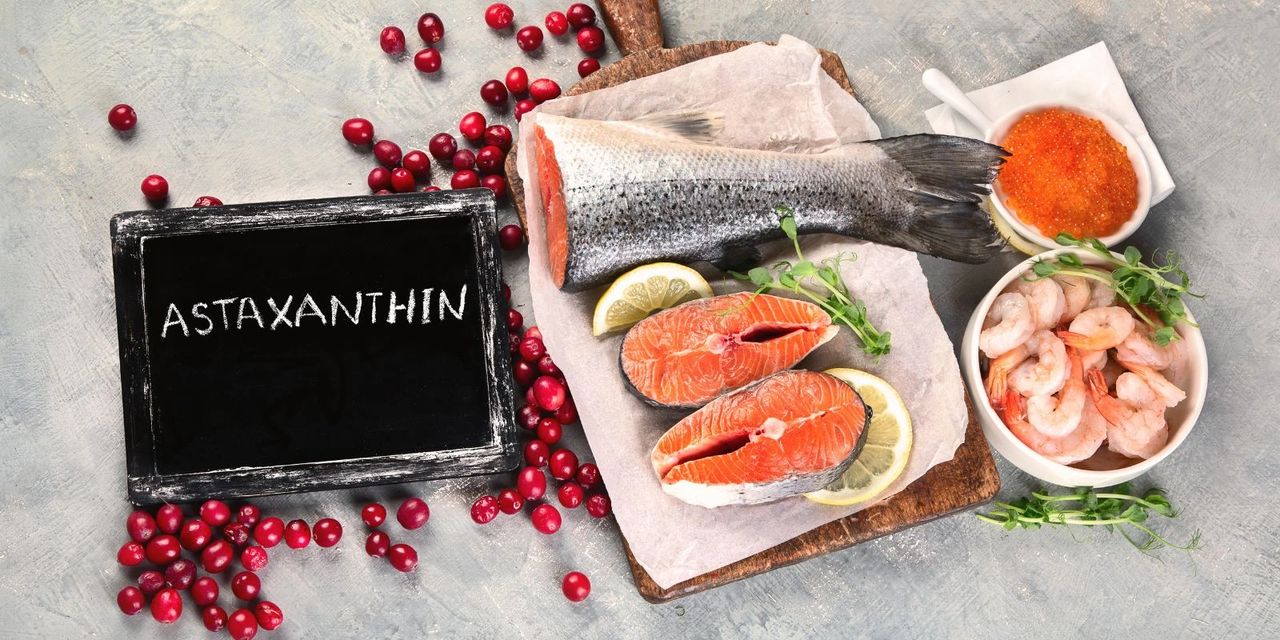
The red carotenoid astaxanthin is the most prevalent carotenoid in the marine environment because all marine organisms have it as a component of their diets. In the aquatic food web, astaxanthin is produced by microalgae that are ingested by small fish and invertebrates, such as krill, which are then ingested by fish.
In the aquaculture industry, astaxanthin is commonly used as an additive in formulated aquafeeds to promote and improve the coloration of muscle – typically in salmon and shrimp. Farmed shrimp can ingest carotenoids through the natural productivity of ponds, but astaxanthin is also frequently included in finishing diets so cooked shrimp turn an attractive reddish color.
Astaxanthin has important roles in the production and health of aquatic animals. For example, some species of fish can use it as a vitamin A precursor. It is also important in the reproductive cycles of fish and shrimp, improving fertilization and survival rates during seedstock production of several commercially important species.
Astaxanthin can be derived from several sources. Krill or crawfish oils contain up to 1,200 ppm esterified astaxanthin. Commercially produced Phaffia sp. yeast isolated from trees has been mutated to produce 4,000 to 10,000 ppm free astaxanthin. Although it does not have the same chemical enantiomer structure as astaxanthin from aquatic and other sources, synthetic astaxanthin is also used in aquafeeds.
Perhaps the most natural source of astaxanthin for feed is microalgae meal, which is most similar to the natural food web.
Natural advantages
While varied forms of astaxanthin work well as pigment sources for fish and shrimp, astaxanthin from microalgae meal provides the extra value of being completely natural. Natural pigment sources can be aggressively promoted in some markets, allowing farmers to realize greater profits for their cultured seafood than for those pigmented with synthetic products.
The value of astaxanthin as an antioxidant for humans is only beginning to be realized, and fish pigmented with natural astaxanthin could be an excellent source of this nutrient for humans. Currently, only two astaxanthin sources are approved for direct human consumption as a supplement in the United States: krill oil and the algae H. pluvialis.
Role of Astaxanthin in Enhancing Pigmentation
How Astaxanthin Works in Color Development
Pigmentation in animals, particularly in aquaculture species like salmon and shrimp, is a crucial factor in consumer preference and market value. Astaxanthin enhances color by depositing in the skin and muscle tissues, creating vibrant hues. In poultry, astaxanthin contributes to deeper yolk coloration and enhances feather pigmentation.
Applications in Aquaculture
Fish and crustaceans cannot synthesize astaxanthin internally and must obtain it through their diet. In aquaculture, artificial and natural astaxanthin sources are incorporated into feed to ensure optimal pigmentation. This is essential for species such as:
- Salmon and Trout: Bright red-orange flesh increases their commercial appeal.
- Shrimp: Vibrant shells improve quality grading and marketability.
- Ornamental Fish: Enhanced coloration improves their aesthetic value for aquarium trade.
Poultry Industry Benefits
Astaxanthin also plays a role in poultry farming, particularly in egg production and feather coloration. It deepens the yellow-to-orange hue of egg yolks, a desirable trait for consumers. Additionally, broiler chickens benefit from enhanced skin pigmentation, making their appearance more attractive in the marketplace.

Health Benefits of Astaxanthin in Animal Nutrition
Antioxidant Properties and Immune Support
One of the most notable benefits of astaxanthin is its antioxidant capacity, which is significantly stronger than beta-carotene and vitamin E. By neutralizing free radicals, astaxanthin helps to:
- Reduce oxidative stress in animals.
- Strengthen immune system function.
- Improve overall vitality and resistance to diseases.
Anti-Inflammatory Effects
Chronic inflammation is a major concern in intensive farming. Astaxanthin has been shown to reduce inflammatory responses in animals, leading to:
- Improved growth performance.
- Faster recovery from infections and injuries.
- Enhanced muscle endurance and overall energy levels.
Reproductive Health and Fertility Enhancement
Astaxanthin plays a role in improving reproductive health in animals. Studies indicate that it boosts sperm quality and enhances egg viability in fish and poultry. This leads to:
- Higher fertilization rates.
- Improved hatchability.
- Better offspring survival rates.
Cardiovascular and Metabolic Health
Astaxanthin supports heart and metabolic health by:
- Enhancing lipid metabolism and reducing cholesterol levels.
- Improving blood circulation and oxygen transport.
- Reducing risks of cardiovascular disorders in farmed animals.

Sources of Astaxanthin in Feed Formulation
Natural vs. Synthetic Astaxanthin
Astaxanthin used in feed can be derived from both natural and synthetic sources:
- Natural Sources: Extracted from Haematococcus pluvialis algae, krill, and crustaceans.
- Synthetic Sources: Chemically synthesized to replicate natural astaxanthin.
While synthetic astaxanthin is widely used due to cost-effectiveness, natural astaxanthin is preferred for its superior bioavailability and additional health benefits.
Inclusion Rates and Feeding Strategies
Astaxanthin must be included at optimal levels to ensure effectiveness without excessive costs. Recommended dosages vary by species:
- Salmon and Trout: 30-50 mg/kg of feed.
- Shrimp: 50-100 mg/kg of feed.
- Poultry (Egg Yolk and Skin Pigmentation): 5-20 mg/kg of feed.

Economic and Environmental Considerations
Cost vs. Benefit Analysis
While astaxanthin supplementation increases feed costs, the benefits outweigh the expenses due to:
- Improved product quality and market value.
- Enhanced growth performance and feed conversion efficiency.
- Reduced disease-related losses and veterinary costs.
Sustainability and Environmental Impact
Sourcing astaxanthin sustainably is critical for long-term environmental benefits. Algal-based astaxanthin production is considered a more eco-friendly option compared to synthetic alternatives, as it reduces dependency on petrochemicals and minimizes ecological footprints.

Conclusion
Astaxanthin is a valuable feed supplement that enhances pigmentation while providing significant health benefits to animals. Its role in aquaculture, poultry, and other livestock industries makes it a vital ingredient for improving both aesthetic appeal and overall well-being. As research continues to unveil its numerous benefits, astaxanthin is likely to remain a cornerstone of high-quality animal nutrition. By choosing the right source and formulation, farmers can optimize the benefits of this powerful carotenoid for better productivity and profitability.