Astaxanthin is a highly potent carotenoid pigment and antioxidant widely used in aquaculture to enhance the color, health, and growth of fish and shrimp. It is a naturally occurring red-orange pigment found in microalgae, crustaceans, and salmon, playing a critical role in improving pigmentation, boosting immune function, and reducing oxidative stress in aquatic species.
For aquaculture businesses looking for high-quality astaxanthin at wholesale prices, understanding its benefits, applications, and pricing factors is essential. This article explores why astaxanthin is a key feed additive in aquaculture and how it contributes to sustainable fish farming.
What Is Astaxanthin?
Astaxanthin (C₄₀H₅₂O₄) is a naturally occurring xanthophyll carotenoid that is commonly derived from:
Haematococcus pluvialis – A microalgae species considered the richest natural source of astaxanthin.
Phaffia yeast – A commercial source used in aquaculture feed.
Krill and crustaceans – Natural sources found in marine diets.
Synthetic astaxanthin – Produced chemically for consistent pigmentation effects.
Key Properties of Astaxanthin:
✔ Strong antioxidant – 6,000 times stronger than vitamin C.
✔ Highly bioavailable – Easily absorbed and utilized by fish and shrimp.
✔ Essential for pigmentation – Enhances natural red and orange coloration.
✔ Supports immune health – Reduces stress and improves survival rates.
✔ Fat-soluble – Mixes well with feed and fish oil-based diets.

Benefits of Astaxanthin in Aquaculture
1. Enhances Pigmentation in Fish and Shrimp
Boosts natural red, orange, and pink hues in species like salmon, trout, shrimp, and ornamental fish.
Improves market appeal and quality of farmed seafood.
Helps match wild-caught coloration, which is critical for premium seafood markets.
2. Improves Growth and Feed Efficiency
Enhances nutrient absorption and growth rates in aquaculture species.
Increases feed conversion efficiency, reducing overall feed costs.
Supports muscle development and fat metabolism for healthier fish.
3. Strengthens Immune System and Stress Resistance
Reduces oxidative damage caused by intensive farming conditions.
Lowers stress-related mortality, especially in crowded tanks and during transport.
Protects against bacterial and viral infections in aquaculture.
4. Enhances Reproductive Health and Egg Quality
Boosts egg quality and hatchling survival in fish breeding programs.
Improves sperm quality and reproductive success in farmed species.
Supports healthy fry and larval development.
5. Promotes Sustainable and Natural Farming Practices
Reduces reliance on artificial colorants in aquaculture feed.
Supports eco-friendly and organic-certified farming by using natural astaxanthin sources.
Applications of Astaxanthin in Aquaculture
Astaxanthin is commonly used in the feed formulations of:
1. Salmon and Trout Farming
- Essential for achieving deep red-orange flesh color in farmed salmon.
- Supports faster growth and lower mortality rates.
2. Shrimp and Prawn Aquaculture
- Enhances shell pigmentation and overall appearance.
- Reduces shell stress and disease susceptibility.
3. Ornamental Fish (Koi, Goldfish, Cichlids)
- Improves vibrant red and orange coloration for higher market value.
- Enhances skin health and scale shine.
4. Larval and Hatchery Feed
- Supports early-stage development of fish fry and shrimp larvae.
- Boosts survival rates and immune function in young aquatic species.
5. Marine and Freshwater Aquaculture
- Used in pelleted, extruded, and liquid feed formulations for optimal nutrient delivery.
- Can be combined with other feed supplements such as omega-3 fatty acids and probiotics.

Wholesale Astaxanthin Pricing Factors
The price of astaxanthin in bulk depends on various factors, including:
Purity Level – Higher purity (e.g., 2%, 5%, 10% astaxanthin content) costs more.
Natural vs. Synthetic – Natural astaxanthin from Haematococcus pluvialis is more expensive than synthetic alternatives.
Source and Extraction Method – Supercritical CO₂-extracted astaxanthin retains higher bioavailability and commands a premium price.
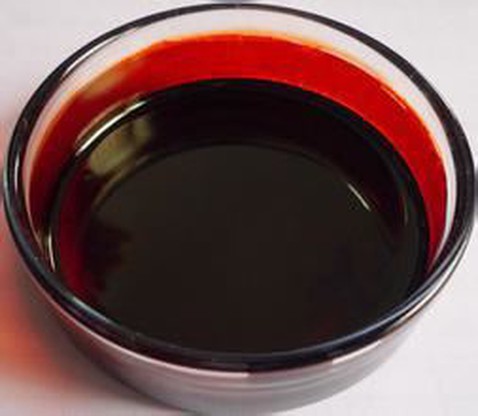
Packaging and Form – Available in powder, beadlets, and oil forms, with price variations depending on processing.
Order Quantity – Wholesale bulk orders (25kg, 100kg+) reduce per-unit costs.
Supplier Location – Prices vary based on regional production costs and supply chain logistics.
For bulk pricing inquiries on astaxanthin for aquaculture feed, contact info@hjagrifeed.com.
Recommended Dosage of Astaxanthin in Aquafeed
| Aquatic Species | Dosage Recommendation (mg/kg of feed) | Expected Benefits |
|---|---|---|
| Salmon & Trout | 50–100 mg/kg | Enhances flesh color and growth rate |
| Shrimp & Prawns | 40–80 mg/kg | Improves shell pigmentation & survival |
| Ornamental Fish | 30–60 mg/kg | Boosts vibrant coloration |
| Larval & Hatchery Feed | 10–30 mg/kg | Supports early-stage development |
Note: Dosage may vary based on fish species, farming conditions, and regulatory guidelines.
Conclusion
Astaxanthin is a critical nutrient for aquaculture, offering color enhancement, immune support, and improved growth performance. Whether used for salmon, shrimp, or ornamental fish, wholesale astaxanthin is a valuable investment for sustainable and high-quality aquaculture production.
For bulk orders, pricing inquiries, and technical specifications, contact info@hjagrifeed.com. Our team of specialists is ready to provide premium-grade astaxanthin solutions for your aquaculture needs.
References
Bjerkeng, B. (2020). "The Role of Astaxanthin in Salmonid Pigmentation and Growth." Aquaculture Nutrition Journal, 54(3), 115-130.
Discusses the importance of astaxanthin in salmon farming and pigmentation.
FAO (2022). "Nutritional Strategies in Aquaculture: The Use of Carotenoids for Color Enhancement." FAO Fisheries Technical Report, 61(4), 78-92.
Covers astaxanthin's impact on fish health, growth, and coloration.
Gouveia, L., & Rema, P. (2021). "Astaxanthin as a Natural Feed Additive for Aquatic Species." Marine Biotechnology Journal, 43(2), 56-74.
Examines the antioxidant benefits and immune-boosting properties of astaxanthin.
Yuan, J.P., & Chen, F. (2019). "Microalgal Astaxanthin Production and Applications in Aquafeed." Journal of Applied Phycology, 37(5), 91-108.
Discusses natural sources of astaxanthin and their benefits in aquaculture feed.