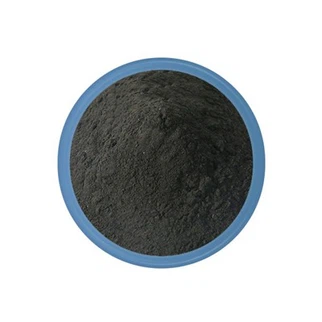
In the world of sustainable agriculture, the demand for environmentally friendly solutions to enhance crop growth, yield, and soil health has never been greater. One such innovation that holds immense promise is chitosan powder—a natural fertilizer additive derived from chitin, the tough outer shells of crustaceans. Chitosan powder has emerged as a game-changer, revolutionizing the way we approach agricultural practices. In this blog post, we dig deep into the world of chitosan powder as a natural fertilizer additive, exploring its origins, properties, benefits, and its diverse applications in transforming agriculture for a greener future.

What is Chitosan Powder?
Chitosan powder is derived from chitin, a biopolymer found in the shells of crustaceans such as crabs, shrimps, and lobsters. Through a process of deproteinization, demineralization, and deacetylation, chitin is transformed into chitosan. This natural substance possesses unique properties that have found applications in various industries, including agriculture.
Production of Chitosan Powder
The production of chitosan powder involves extracting chitin from crustacean shells, followed by a series of purification steps. After deproteinization and demineralization, chitin is subjected to deacetylation, which removes acetyl groups and results in chitosan. The degree of deacetylation (DDA) determines its characteristics and effectiveness in different applications.
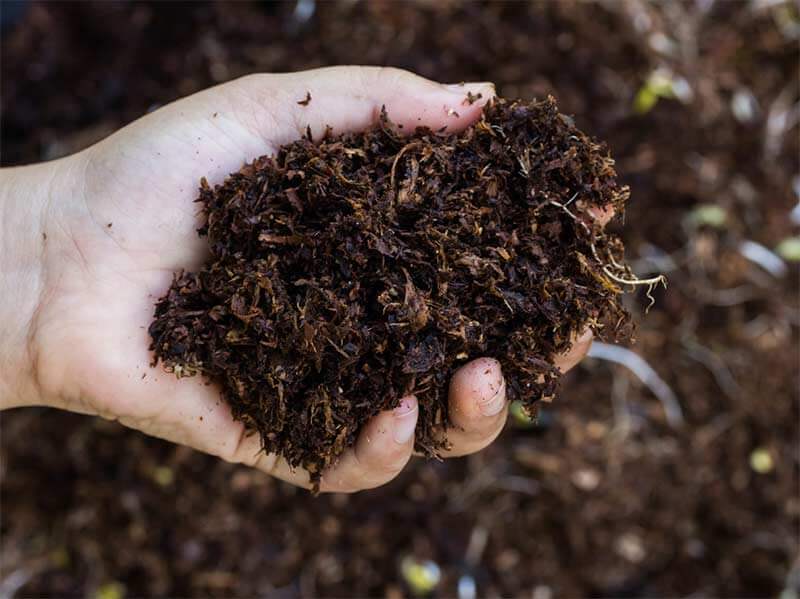
Chitosan Powder as a Natural Fertilizer Additive
The Need for Sustainable Agriculture
As the global population continues to grow, the demand for food production is putting immense pressure on agricultural systems. However, conventional farming practices often lead to environmental degradation, soil depletion, and excessive use of chemical fertilizers, leading to pollution and reduced soil fertility. This has spurred the need for sustainable agricultural solutions that enhance productivity while minimizing ecological harm.
Role of Chitosan Powder in Agriculture
Chitosan powder presents a novel approach to sustainable agriculture by serving as a natural fertilizer additive. Its unique properties make it an ideal candidate for enhancing crop growth, improving soil health, and reducing reliance on synthetic fertilizers. By harnessing the potential of chitosan powder, farmers can achieve higher yields, healthier crops, and more resilient agricultural ecosystems.
Properties of Chitosan Powder Uses in Agriculture
Biostimulant Properties
Chitosan powder acts as a biostimulant, stimulating plant growth and development through various mechanisms. It enhances nutrient uptake, promotes root growth, and increases plant tolerance to environmental stressors such as drought and temperature fluctuations.
Soil Enhancement and Nutrient Retention
Chitosan powder has the ability to improve soil structure and water-holding capacity, leading to enhanced nutrient availability for plants. It aids in the retention of essential minerals in the root zone, reducing nutrient leaching and wastage.
Pest and Disease Management
Chitosan's antimicrobial and antifungal properties make it effective in managing soilborne pathogens and pests. It forms a protective barrier on plant surfaces, inhibiting the growth of harmful microorganisms and reducing the need for chemical pesticides.
Advantages and Benefits of Using Pure Chitosan Powder in Agriculture
Environmentally Friendly and Renewable
Pure Chitosan powder offers an eco-friendly alternative to chemical fertilizers, as it is derived from renewable sources. The use of chitosan contributes to reduced environmental impact, promoting sustainable farming practices.
Improved Crop Growth and Yield
The biostimulant properties of pure chitosan powder lead to improved root development, nutrient absorption, and overall plant health. This results in higher crop yields and better-quality produce.
Reduction in Chemical Fertilizer Dependency
By incorporating pure chitosan powder into agricultural practices, farmers can reduce their reliance on synthetic chemical fertilizers. This not only minimizes the negative effects of fertilizer runoff but also decreases production costs.
Enhanced Soil Health and Microbial Activity
Pure Chitosan Powder's impact on soil structure and microbial diversity improves soil health and fertility. Beneficial soil microorganisms thrive in chitosan-amended soils, contributing to nutrient cycling and organic matter decomposition.
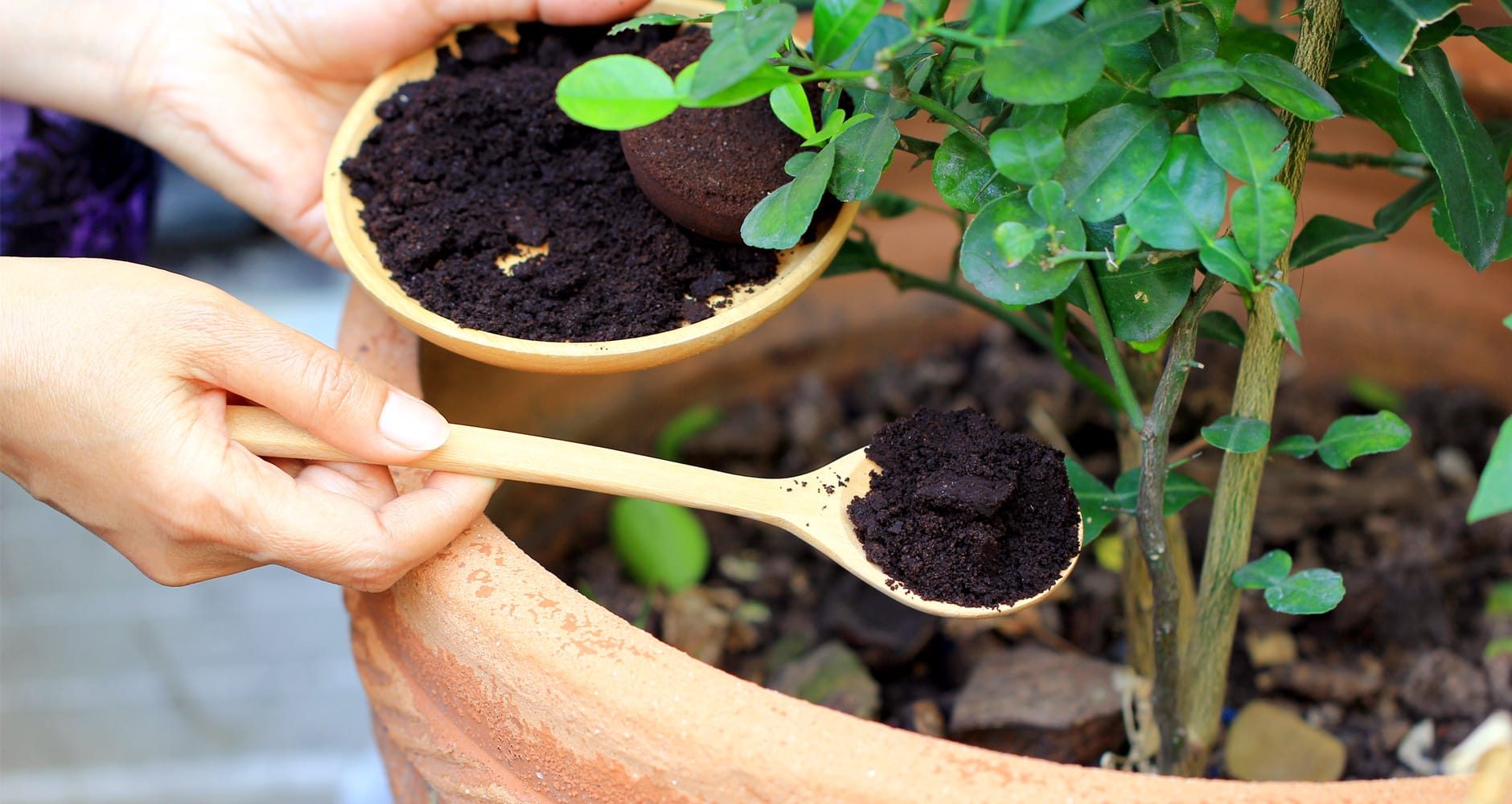
Application Techniques of Chitosan Powder
Seed Treatment
Applying chitosan powder as a seed treatment enhances germination, seedling vigor, and early root development. It provides a protective barrier that shields young plants from soilborne pathogens and abiotic stressors.
Foliar Spray
Foliar application of chitosan powder involves spraying the solution onto the leaves of plants. This technique boosts plant immunity, reduces pest damage, and improves nutrient absorption through the leaves.
Soil Incorporation
Incorporating chitosan powder into the soil during planting or as part of regular soil management practices improves soil structure, nutrient availability, and microbial activity.
Research and Case Studies
Increased Plant Tolerance to Abiotic Stress
Studies have shown that chitosan-treated plants exhibit enhanced tolerance to abiotic stresses such as drought, salinity, and extreme temperatures. Chitosan's ability to improve water retention and nutrient uptake contributes to the plants' resilience under challenging conditions.
Enhanced Nutrient Uptake Efficiency
Chitosan powder promotes the release of nutrients from soil particles and increases their availability to plants. This leads to improved nutrient uptake efficiency, minimizing nutrient wastage and reducing the need for excessive fertilization.
Suppression of Pathogens and Pests
Research has demonstrated chitosan's potential to suppress various pathogens, nematodes, and insects. Its antimicrobial and antifeedant properties contribute to healthier plants with fewer disease and pest-related issues.
Chitosan Powder Uses Challenges and Considerations
Dosage and Application Timing
Determining the optimal dosage and application timing of chitosan powder is essential for achieving desired results. Excessive application may lead to diminishing returns or adverse effects on plant growth.
Compatibility with Other Inputs
Chitosan powder can interact with other agricultural inputs, such as fertilizers and pesticides. Compatibility testing is crucial to avoid undesirable interactions that could compromise its efficacy.
Economic Viability
While chitosan powder offers numerous benefits, its economic viability must be considered. Farmers need to weigh the costs of chitosan against the potential savings in terms of reduced fertilizer and pesticide use and increased crop yield.
Future Prospects and Conclusion
The integration of chitosan powder as a natural fertilizer additive holds immense promise for sustainable agriculture. As awareness of environmental issues grows, farmers and researchers are seeking innovative solutions to address the challenges of food production and resource conservation. Chitosan's ability to improve crop growth, soil health, and pest resistance positions it as a valuable tool in the quest for more ecologically sound farming practices. As research and technology continue to advance, the potential of chitosan powder in revolutionizing agriculture becomes ever more apparent. Its application has the power to usher in a greener future where sustainable farming practices are not just a goal but a reality, nourishing both people and the planet.
Why Choose HJHERB Biotechnology?
HJHERB Biotechnology offers a wide range of products that are of high quality and value to a variety of industries, including the agricultural industry. is imperative in creating the highest quality feed products for animals and even aquaculture and industrial cleaning products. All of the products at HJHERB are produced in a facility that is certified in the AFIA’s Safe Feed/Safe Food Certification Program. Contact us by email: info@hjagrifeed.com