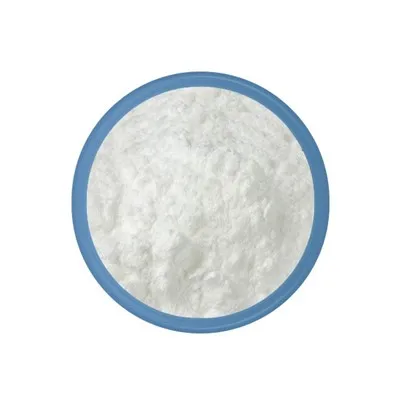
As our cherished dogs grow older or face the rigors of an active life, conditions like joint discomfort, inflammation, and decreased immunity become more common. Though prescription drugs play a role in veterinary medicine, pet owners increasingly are seeking out natural solutions to promote their dogs' health. One such substance that has attracted growing attention is curcumin-the main active compound found in turmeric. Known for its powerful anti-inflammatory, antioxidant, and immune-boosting properties, curcumin may offer a host of health benefits for dogs.
In this article, we'll explore how curcumin works, the research behind its efficacy in canine health, and how to incorporate it safely into your dog's routine to help combat joint pain, inflammation, and immune challenges.
What Is Curcumin?
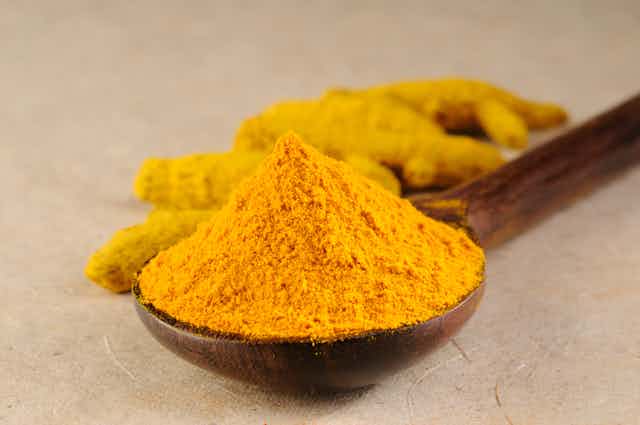
Curcumin is a yellow polyphenol extracted from the turmeric plant root (Curcuma longa). Curcumin has been used for centuries in Ayurvedic and traditional Chinese medicine for its medicinal benefits. Curcumin is known for its anti-inflammatory, antioxidant, antibacterial, and antiviral properties.
Turmeric itself contains only 2-5% curcumin by weight, which is why curcumin is commonly extracted and concentrated in supplements to unlock its therapeutic value.

Inflammation and Arthritis in Dogs
Inflammation is a normal response by the body to injury or infection, but prolonged inflammation-particularly within the joints-is a common cause of pain, stiffness, and decreased mobility in dogs. Diseases such as osteoarthritis, hip dysplasia, and ligament sprains are frequent causes of chronic inflammation.
Curcumin was found to inhibit inflammatory enzyme activities like cyclooxygenase-2 (COX-2) and lipoxygenase, both of which play roles in the creation of pro-inflammatory chemicals within the body. Reducing this reaction, curcumin can reduce pain and inflammation in the joint areas.
Scientific Insight
A 2014 study in the Journal of Veterinary Science tested curcumin's anti-inflammatory action in dogs with osteoarthritis. It was found that dogs supplemented with curcumin exhibited increased mobility, decreased joint stiffness, and reduced inflammation markers when compared with those who were given a placebo.

Curcumin's Role in Immune Health
The immune system is responsible for defending your dog's body against infections, diseases, and other harmful invaders. A well-functioning immune system is vital for maintaining long-term health, especially in older or immunocompromised dogs.
Curcumin boosts immunity by:
- Enhancing the activity of T cells and B cells, which are essential for fighting infections.
- Increasing macrophage activity, improving the dog's ability to detect and eliminate harmful microorganisms.
- Functioning as a strong antioxidant, defending immune cells from free radical-induced damage.
- Research also indicates that curcumin maintains a healthy gut microbiome, which is important for immune system regulation. As the immune system is present in the gut in approximately 70% of its total amount, maintaining digestive health indirectly promotes overall immunity.

Curcumin as a Natural Pain Reliever
Most over-the-counter pain medications that are prescribed for dogs, including NSAIDs, have side effects of gastrointestinal disturbance, liver toxicity, and kidney impairment. Curcumin presents a natural option with a far less toxic profile if used properly.
It assists in modulating pain by:
- Inhibiting pain-signaling molecules.
- Decreasing nerve sensitivity within affected tissues.
- Supporting joint cartilage and tissue regeneration.
- In a comparative study, curcumin was as effective as ibuprofen in reducing pain and function improvement in human arthritis patients with much fewer side effects (Chandran & Goel, Phytotherapy Research, 2012). Although further studies in dogs are required, the results are encouraging.

Antioxidant Properties for Aging Dogs
With aging, the body becomes more vulnerable to oxidative stress, leading to chronic diseases, mental deterioration, and accelerated aging. Curcumin's strong antioxidant properties are effective against free radicals, which in turn inhibit cell damage and enhance overall energy.
Antioxidant care is especially important in:
- Older dogs with evidence of cognitive decline or diminished mobility
- Working dogs subjected to physical stress
- Sick and surgery-recovered dogs, who require additional assistance for tissue repair.

Bioavailability Issues and Solutions
Curcumin has one of its issues being the low natural bioavailability. Alone, curcumin is poorly absorbed into the bloodstream when ingested, thus reducing its efficacy. Yet, various solutions have been found to enhance this:
- Mixing with black pepper extract (piperine): This can enhance absorption by as much as 2000%.
- Taking liposomal or micellar curcumin products: These package curcumin in a fat-soluble carrier for easier absorption.
- Curcumin with phospholipids: Frequently included in veterinary-grade supplements for more effective bioavailability.
When deciding on a supplement, select the ones specifically created for pets with increased bioavailability characteristics.

Dosage Guidelines for Dogs
Since there is no universal dosage of curcumin for dogs, here are the general guidelines:
- Small dogs (<25 lbs): 100–150 mg/day
- Medium dogs (25–50 lbs): 200–300 mg/day
- Large dogs (50+ lbs): 400–500 mg/day
Always begin at a low dose and monitor your dog for any evidence of intolerance (e.g., gastrointestinal distress). Increase gradually as tolerated. Giving curcumin with food will improve absorption and minimize the potential for stomach upset.
Consult with your veterinarian prior to initiating any supplement, particularly if your dog is on medication or has a pre-existing medical condition.

Curcumin Combined with Other Natural Compounds
Most dog supplements blend curcumin with other joint and immune-supportive nutrients, including:
- Glucosamine and chondroitin: For cartilage regeneration in the joints.
- Boswellia serrata: Another plant anti-inflammatory.
- Omega-3 fatty acids (DHA/EPA): For inflammation and immune system modulation.
- Probiotics and prebiotics: To support immune and gut health.
Synergistic formulas may enhance the overall effects, offering a complete strategy for well-being.
Safety and Possible Side Effects
Curcumin is usually safe for canines when taken within the recommended dose. It could, however, cause the following at excessive doses:
- Gastrointestinal disturbance (diarrhea, vomiting)
- Liver enzyme increase (rare)
- Blood clotting interference (in dogs with bleeding disorders)
If your dog is on chemotherapy, NSAIDs, or blood thinners, always check with your veterinarian first before supplementing with curcumin.
Final Thoughts
Curcumin shows exceptional potential as a natural supplement for dogs struggling with inflammation, arthritis, and immune issues. Its effectiveness in lowering oxidative stress, supporting joint health, and regulating immune function makes it an ideal addition to your dog's wellness regimen-particularly when growing older or fighting chronic conditions.
To maintain effectiveness and safety, select a pet-formulated curcumin product with increased bioavailability, take the right amount according to the instructions, and closely consult with your veterinarian. Used judiciously, curcumin can be an invaluable resource for making your dog's life more comfortable, active, and healthy.
References
Chandran, B., & Goel, A. (2012). A randomized, pilot study to assess the efficacy and safety of curcumin in patients with active rheumatoid arthritis. Phytotherapy Research, 26(11), 1719–1725.
Jurenka, J. S. (2009). Anti-inflammatory properties of curcumin, a major constituent of Curcuma longa: a review of preclinical and clinical research. Alternative Medicine Review, 14(2), 141–153.
Henrotin, Y., et al. (2010). Curcumin: a new paradigm and therapeutic opportunity for the treatment of osteoarthritis. SpringerPlus, 3, 525.
Aggarwal, BB, & Harikumar, KB (2009). Potential therapeutic effects of curcumin, the anti-inflammatory agent, against neurodegenerative, cardiovascular, pulmonary, metabolic, autoimmune and neoplastic diseases. The International Journal of Biochemistry & Cell Biology, 41(1), 40–59.
Haniadka, R., et al. (2011). Curcumin: a review of its effects on human health. Foods, 2(1), 13–28.