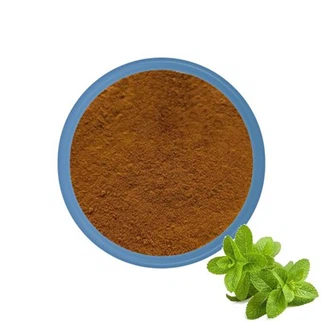
In the ever-evolving world of animal agribusiness, makers are always looking for inventive ways to upgrade the health and efficiency of their animals. One natural compound that has picked up noteworthy consideration in recent years is capsaicin. This powerful substance, derived from chili peppers, has shown momentous potential in progressing different aspects of animal well-being and execution. Let's dive into the intriguing world of capsaicin and investigate its multifaceted benefits for livestock.

Understanding Capsaicin: Nature's Fiery Compound
Capsaicin is the essential capsaicinoid found in chili peppers, mindful for their characteristic heat and sharpness. This actually happening alkaloid has been used for centuries in human cuisine and conventional medication. In any case, its application in animal sustenance is a moderately later advancement that has started fervor among analysts and producers alike.
The molecular structure of capsaicin permits it to interact with particular receptors in the body, especially the temporal receptor potential vanilloid 1 (TRPV1) channel. This interaction triggers a cascade of physiological reactions that can be saddled to improve creature wellbeing and efficiency.
Capsaicin's unique properties make it a flexible additive in animal nourishment. Its capacity to balance torment discernment, impact the digestive system, and apply antimicrobial impacts has provoked the intrigue of animal nutritionists and veterinarians around the world. As we investigate the benefits of this item for animals, it becomes clear why this compound is picking up traction in the creature farming industry.

Capsaicin's Impact on Digestive Health and Nutrient Absorption
One of the most critical benefits of capsaicin in livestock sustenance is its positive impact on digestive well-being and supplement assimilation. When incorporated into feed, it can invigorate the generation of digestive proteins and increment the discharge of gastric juices. This upgraded digestive movement leads to improved breakdown of supplements and better overall retention in the gastrointestinal tract.
Research has shown that capsaicin can increase the villus stature and sepulcher profundity in the little intestine of different animal species. These morphological changes in the intestinal lining result in a larger surface region for supplement retention, eventually leading to improved bolster effectiveness and development execution.
Besides, capsaicin has illustrated the capacity to modulate the intestinal microbiome in a useful way. By promoting the development of beneficial microscopic organisms and repressing possibly hurtful pathogens, it helps maintain a solid adjustment in the intestinal environment. This prebiotic-like impact contributes to improved absorption, improved resistant work, and diminished frequency of gastrointestinal clutters in livestock.
The antimicrobial properties of capsaicin also play a vital part in maintaining intestinal well-being. Studies have shown that item can restrain the development of different pathogenic bacteria, including Escherichia coli and Salmonella species. By lessening the bacterial stack in the intestine, it helps avoid contaminations and advances general gastrointestinal wellbeing in livestock.

Enhancing Immune Function and Disease Resistance
Another remarkable benefit of capsaicin in livestock nutrition is its ability to enhance immune function and boost disease resistance. The immunomodulatory effects of capsaicin have been extensively studied in various animal models, revealing its potential to strengthen the body's natural defense mechanisms.
Capsaicin has been shown to stimulate the production of immunoglobulins, particularly IgA, which plays a crucial role in mucosal immunity. This increased antibody production helps protect animals against a wide range of pathogens, reducing the incidence of infections and improving overall health.
Furthermore, capsaicin has demonstrated anti-inflammatory properties that can be beneficial in managing chronic inflammatory conditions in livestock. By modulating the production of pro-inflammatory cytokines and reducing oxidative stress, it helps maintain a balanced immune response and promotes tissue healing.
The antioxidant properties of capsaicin also contribute to its immune-enhancing effects. By scavenging free radicals and reducing oxidative damage, capsaicin helps protect cells from stress and supports optimal immune function. This is particularly important in high-stress situations, such as weaning or transportation, where animals are more susceptible to disease.

Improving Growth Performance and Meat Quality
The benefits of capsaicin in livestock extend beyond health improvement to include enhanced growth performance and meat quality. Numerous studies have demonstrated the positive effects of supplementation on feed efficiency, weight gain, and carcass characteristics in various livestock species.
One of the primary mechanisms by which capsaicin improves growth performance is through its effects on metabolism. It has been shown to increase energy expenditure and fat oxidation, leading to improved body composition and reduced fat deposition. This is particularly beneficial in meat-producing animals, where lean muscle growth is desirable.
In poultry, capsaicin supplementation has been associated with improved feed conversion ratios and increased body weight gain. Studies have shown that broiler chickens fed diets containing capsaicin exhibit better growth performance and higher breast muscle yield compared to control groups.
Similarly, in swine production, capsaicin has demonstrated the ability to enhance growth rates and improve carcass quality. Research has shown that pigs fed capsaicin-supplemented diets have increased average daily gain and improved feed efficiency. Additionally, this supplementation has been associated with reduced backfat thickness and improved meat quality parameters, such as tenderness and marbling.
The benefits of capsaicin on meat quality extend beyond just improved composition. Studies have shown that it can enhance the antioxidant status of meat, leading to improved shelf life and reduced lipid oxidation. This is particularly important in the meat industry, where maintaining product quality during storage and transportation is crucial.
Conclusion
The incorporation of capsaicin in livestock nutrition represents an exciting frontier in animal agriculture. From improving digestive health and nutrient absorption to enhancing immune function and boosting growth performance, it offers a wide array of benefits for livestock producers. As research continues to unveil new applications and mechanisms of action, capsaicin is poised to play an increasingly important role in optimizing animal health and productivity.
To learn more about how capsaicin and other natural ingredients can benefit your livestock operation, or to request free samples and formulation support, please contact us at info@hjagrifeed.com. Our team of experts is ready to assist you in optimizing your animal nutrition strategies and achieving superior results in health, productivity, and meat quality.
References
Sancho, R., Lucena, C., Macho, A., Calzado, M. A., Blanco-Molina, M., Minassi, A., ... & Muñoz, E. (2002). Immunosuppressive activity of capsaicinoids: capsiate derived from sweet peppers inhibits NF-κB activation and is a potent antiinflammatory compound in vivo. European journal of immunology, 32(6), 1753-1763.
Kogure, K., Goto, S., Nishimura, M., Yasumoto, M., Abe, K., Ohiwa, C., ... & Terada, H. (2002). Mechanism of potent antiperoxidative effect of capsaicin. Biochimica et Biophysica Acta (BBA)-General Subjects, 1573(1), 84-92.
Zafar, M. S., Siddiqui, M. W., & Rahman, M. A. (2015). Antimicrobial activity of capsaicin and its possible applications in food preservation. Journal of Pharmacognosy and Phytochemistry, 4(3), 179-185.
Jancso, G., Kiraly, E., & Jancso-Gabor, A. (1977). Pharmacologically induced selective degeneration of chemosensitive primary sensory neurones. Nature, 270(5639), 741-743.
Liu, Y., & Nair, M. G. (2010). Non-pungent functional food components in the water extracts of hot peppers. Food chemistry, 122(3), 731-736