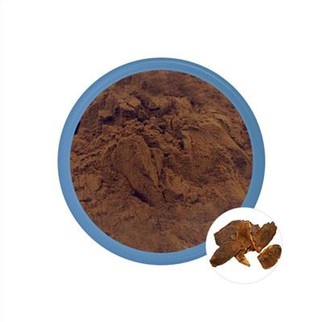
Capsicum, also known as red pepper or chili pepper, is an herb. Its fruit is commonly applied to the skin for arthritis pain and other conditions. The fruit of the capsicum plant contains a chemical called capsaicin. Capsaicin is what seems to help reduce pain and swelling.
However, few people stop to consider the source of this heat - a curious tale that brings us to the dynamic duo of Capsicum and Capsaicin. This blog post will dive deep into the differences between these two, their roles, benefits, and much more. Strap in for a fiery adventure!

Is pure Capsaicin legal?
Pure capsaicin is legal and sold commercially in the United States as an extract.
What is Capsicum?
Capsicum, commonly known as pepper, is a genus of flowering plants in the Solanaceae (nightshade) family. These plants produce a variety of fruits called peppers, each with its unique level of heat. From the mild bell pepper to the tongue-scorching ghost pepper, capsicum fruits are a staple in cuisines worldwide.
Nutritional Benefits
Capsicum peppers are packed with vitamins and minerals. They are an excellent source of vitamin A, vitamin C, dietary fiber, and essential minerals like potassium and iron. Additionally, they carry capsaicin, which, as we'll see shortly, has health benefits.
Now that we're familiar with capsicum let's turn up the heat and discuss Capsaicin.
What is Capsaicin?
Capsaicin is a chemical compound that gives hot peppers their heat. It binds to pain receptors in our mouths and throats, tricking our nervous system into thinking we're in physical heat. The compound is concentrated in the placental tissue of peppers (the white "ribs" inside), but can also permeate the seeds due to their proximity.
The Scoville Scale
The heat of capsaicin is measured using the Scoville Heat Units (SHU). This scale ranges from 0 SHU for bell peppers to over 1,000,000 SHU for the Carolina Reaper, the world's hottest pepper.
Health Benefits and Uses
Capsaicin has numerous health and therapeutic benefits:
1. Pain Relief: Capsaicin is often used in topical creams and patches to relieve pain. It works by reducing the amount of substance P, a chemical that carries pain messages to the brain.
2. Weight Loss: Some research suggests that capsaicin can help boost metabolism, promote fat burning, and reduce appetite.
3. Digestive Health: Contrary to popular belief, capsaicin can actually aid in digestive health by stimulating stomach secretions and guarding against ulcers.
Capsicum and Capsaicin in Medicine
Capsaicin impact stretches beyond the kitchen and into the world of medicine and therapeutics. Its most common application is in topical ointments and creams that are applied directly to the skin to relieve pain from conditions like arthritis, shingles, and nerve damage due to diabetes.
Capsaicin for Pain Relief
Capsaicin-based pain relievers work by depleting a neurotransmitter called substance P, responsible for sending pain signals to the brain. When applied to the skin, capsaicin causes an initial stimulation of pain receptors, followed by a reduction in pain-transmitting chemicals. This results in a three-pronged effect:
1. Analgesic effect: Capsaicin's ability to exhaust substance P stores in the nerve fibers results in a numbing effect, providing temporary relief from localized pain.
2. Anti-inflammatory effect: Capsaicin helps reduce the inflammation that often accompanies pain, providing a soothing effect.
3. Desensitization: Regular application of capsaicin can lead to desensitization, whereby the nerve fibers become less responsive to the pain stimuli.
Capsaicin for Weight Management
Capsaicin is a thermogenic agent, meaning it generates heat in the body. This heat production is part of the metabolic process, and increasing it can help burn more calories and fat. Moreover, some studies suggest that capsaicin can promote satiety, leading to a reduction in calorie intake.
Capsaicin for Digestive Health
Despite popular myths, capsaicin does not cause stomach ulcers. In fact, it can help protect the stomach lining by stimulating the cells to produce a protective layer of mucus. Additionally, capsaicin has been found to aid digestion by increasing digestive fluids and improving blood flow to the stomach.
Capsaicin Extraction
For those interested in harnessing the power of capsaicin without having to consume large amounts of hot peppers, capsaicin can be extracted and used in various forms. It can be found in capsules, creams, and even patches for topical application. However, it's essential to use these products as directed by a health professional to avoid adverse reactions.
For bulk Capsaicin powder, please contact us by email: info@hjagrifeed.com
References:https://en.wikipedia.org/wiki/Capsicum
https://www.taste.com.au/articles/green-capsicum-vs-red-capsicum-which-healthier/tjr7avai
https://www.ncbi.nlm.nih.gov/pmc/articles/PMC6273101/
https://www.versusarthritis.org/about-arthritis/complementary-and-alternative-treatments/types-of-complementary-treatments/capsaicin/