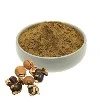
Angling has come much beyond hooks and worms. These days, both fishers and aquaculture workers are using science-based, bioactive lures to capture fish more effectively and sustainably. Chicken Liver Hydrolysate Powder is an innovation that counts here, and this is a protein-dense, enzyme-processed product derived from chicken liver. Long valued in pet nutrition, chicken liver hydrolysate is now gaining popularity in the fishing world due to its powerful scent, nutritional profile, and water solubility, making it an ideal bait component.
In this article, we'll dive deep into what chicken liver hydrolysate powder is, how it works as a fish bait attractant, its biochemical benefits, and how to use it effectively in different fishing scenarios.
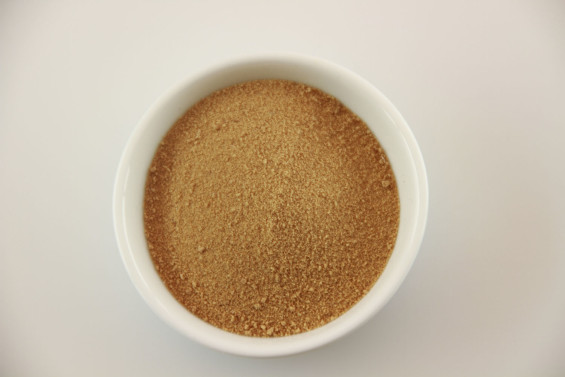
What is Chicken Liver Hydrolysate Powder?
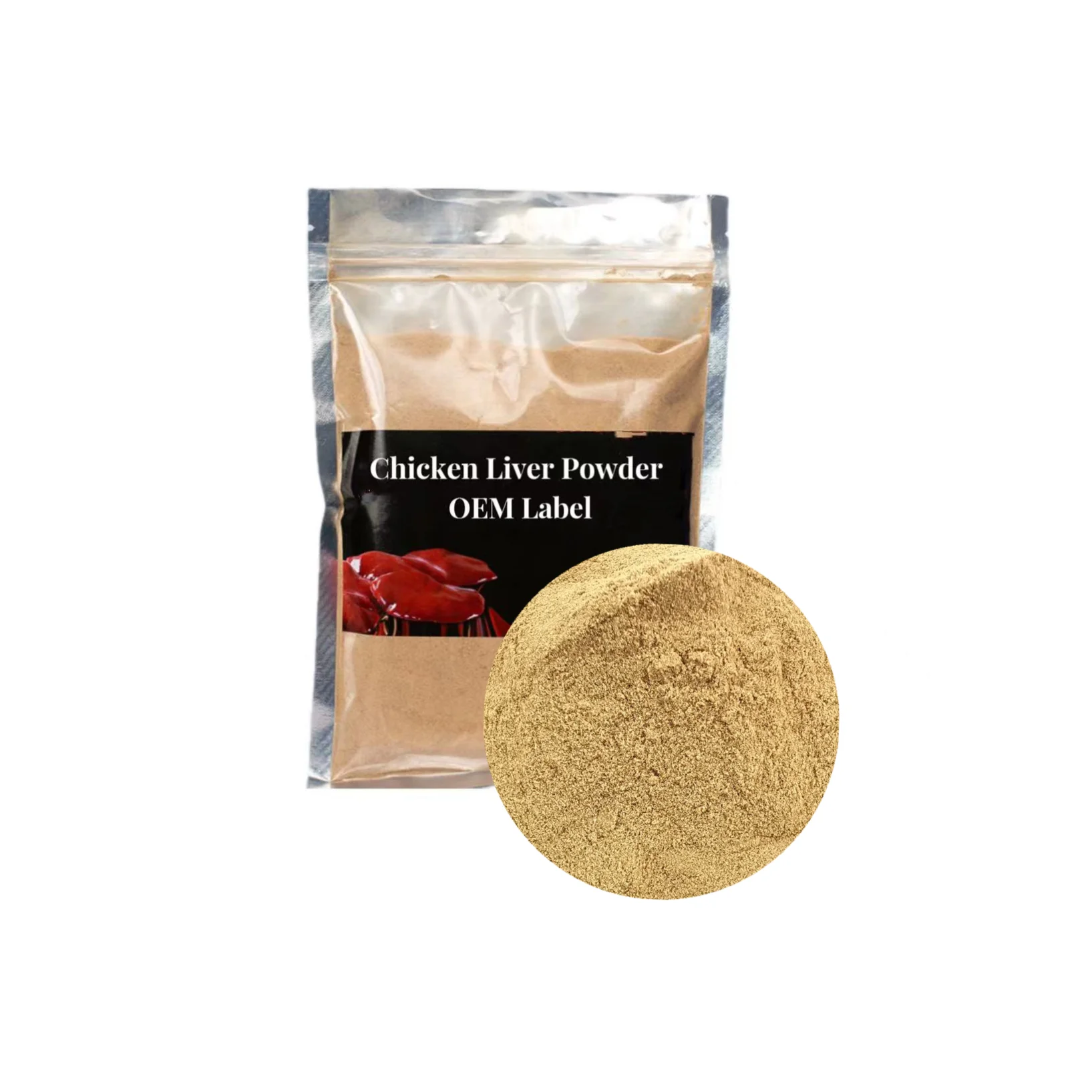
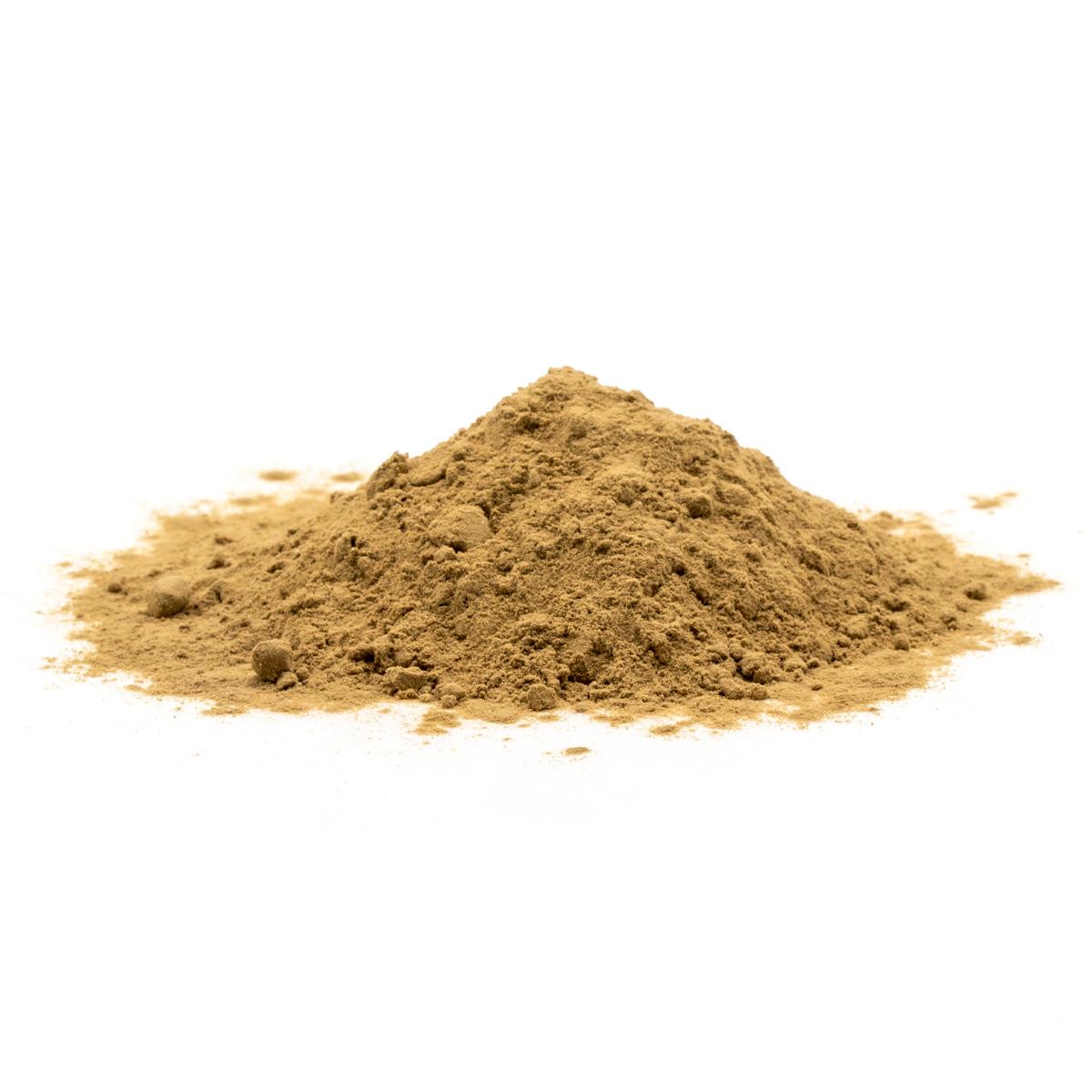
Chicken Liver Hydrolysate Powder is produced by enzymatic hydrolysis of chicken liver. The process hydrolyzes the proteins into peptides and amino acids, producing a very digestible, nutrient-rich powder with a strong, desirable odor. The hydrolysis not only increases the palatability of the liver but also concentrates bioactive peptides that are desirable to fish.
Unlike raw chicken liver or basic fish meal, this powder is shelf-stable, water-soluble, and free from pathogens, making it a safe and effective choice for both commercial and recreational fishing bait applications.
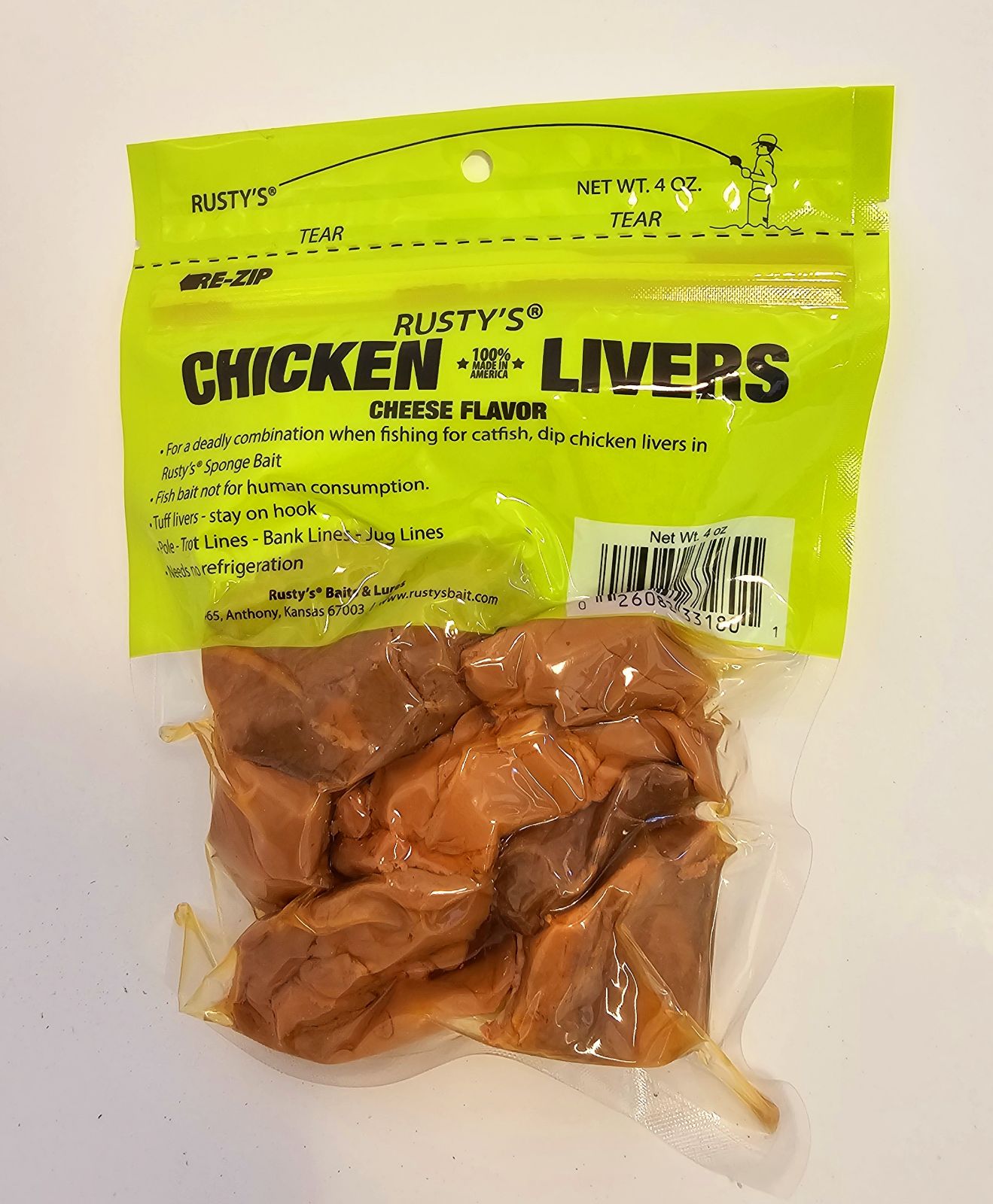
Why Use Chicken Liver Hydrolysate Powder as Fish Bait?
The fish-attracting properties of chicken liver hydrolysate are backed by its biochemical components. Here's how it works:
1. Natural Attractants for Fish
Fish are highly sensitive to both taste and odor stimuli. Chicken liver hydrolysate includes free amino acids including glutamic acid, lysine, and histidine, known chemical feeding cues in fish.
These amino acids activate fish's gustatory and olfactory receptors, triggering that protein-laden food has been encountered. The natural aroma of the liver-magnified by the hydrolyzing process-difuses rapidly in water, bringing fish to the bait.
Reference: Hara, T. J. (1994). The diversity of chemical stimulation in fish olfaction and gustation. Reviews in Fish Biology and Fisheries, 4(1), 1-35.
2. Enhanced Nutritional Value
Chicken liver hydrolysate is rich in crude protein (generally more than 70%), peptides, vitamins (e.g., B12 and A), and trace minerals like iron and zinc. Due to this richness, it is most effective in inciting feeding tendency in omnivorous and carnivorous fish species like carp, catfish, tilapia, and trout.
In addition, since hydrolysates are pre-digested, nutrients are easily taken up by the fish, and this is specifically beneficial to aquaculture feeding regimes and spawning recovery baits.
3. Water Solubility and Dispersion
Powder readily dissolves or disperses in water to create a scent trail that rapidly spreads even in cloudy or stagnant water. Dispersion maximizes bait visibility and efficiency without the use of synthetic attractants.

Common Fish Species Lured by Chicken Liver Hydrolysate
Chicken liver hydrolysate powder has been found effective across a broad range of species such as:
- Carp (Cyprinus carpio) – The amino acid content is particularly appealing to bottom-dwelling carp.
- Catfish (Ictalurus spp.) – Famous for their strong olfaction, catfish are highly attracted to the pungent odor.
- Tilapia – Tend to respond well to palatable, protein-rich feed additives.
- Trout and Salmonids – Useful in both wild fishing and aquaculture environments.
Uses in Recreational and Commercial Fishing
1. Boilies and Dough Baits
Chicken liver hydrolysate powder is usually added to boilies, paste baits, or dough balls by anglers. Its solubility in water enables it to leach out gradually, leaving a persistent scent trail.
2. Pellet Coating or Inclusion
Fish pellets may be coated with chicken liver hydrolysate or added directly to pellet formulations. This is particularly useful in aquaculture for conditioning fish to feed or for traps and feeding areas.
3. Liquid Bait Mixes
Blend the powder into liquid attractant dips, sprays, or glugs to coat hook baits or ground baits. This serves to enhance bait appeal in competitive fishing.
4. Fishing Chum or Groundbait
Mix the powder into chum mixes or groundbait that are cast into the water to draw fish to a specific location. This method is used in commercial lakes or match fishing.

How to Use Chicken Liver Hydrolysate Powder Effectively
To achieve the best out of this effective attractant, the following are some guidelines for use:
Dosage
- Boilies or Dough Baits: 5–10% of total mix
- Pellets: 3–7% in formulations
- Liquid Bait Soaks: Mix at 50g per liter
- Chum: 5–15% of total dry weight
Mixing Tips
- Use cool or lukewarm water at all times to help maintain amino acids.
- Can be blended with other natural attractants such as fish hydrolysate, krill powder, or garlic extract for increased complexity.
- Keep the powder in a cool, dry location and store it properly to maintain aroma and activity.
Advantages Over Other Fish Attractants
Relative to conventional ingredients such as blood meal, fish meal, or raw organ meat, chicken liver hydrolysate provides:
- Improved solubility
- Increased digestibility
- Cleaner storage and handling
- Uniform quality and longer shelf life
In addition, it eliminates the potential for pathogen transfer associated with raw meats or viscera, which makes it more attractive to regulated or export-oriented fishing operations.

Sustainability and Safety
Derived from poultry processing byproducts, chicken liver hydrolysate is a circular bioeconomy strategy for bait and feed production. It minimizes waste while maximizing feed value, helping to advance circular bioeconomy in agriculture and aquaculture.
Moreover, because hydrolysate is manufactured under hygienic, food-grade or feed-grade conditions, it lowers the risk of bacterial contamination or spoilage.
Reference: Adeola, O. (1999). Nutritional evaluation of proteins. In Animal Feed Science and Technology, 83(1–2), 15–32.

Considerations for Use in Aquaculture
In aquaculture, feed intake and palatability are the most important measures of performance. Test runs of hydrolyzed animal proteins such as liver hydrolysate exhibit better feed efficiency and lower waste in feeding.
In stress-recovered fish (transportation, breeding, or disease), chicken liver hydrolysate bioavailable peptides support a speedy restoration of energy and appetite and thus is an option for medicated feed or transition diet.
Reference: Sealey, W. M., & Gatlin, D. M. (2002). Dietary protein and feeding strategies to reduce nitrogenous waste in aquaculture. World Aquaculture, 33(3), 24-28.
Conclusion
Chicken Liver Hydrolysate Powder is more than a new fish bait additive-it's a science-backed, nutritionally strong ingredient that greatly boosts the appeal of bait for many fish species. From recreational use in carp and catfish fishing to commercial aquaculture operations, its high level of amino acids, scent, and digestibility make it an elite-level bait enhancer.
Anglers and aquaculture farmers seeking sustainable, effective, and clean bait additives will find chicken liver hydrolysate powder to be a trustworthy option supported by nature and polished by science.
References
Hara, T. J. (1994). The diversity of chemical stimulation in fish olfaction and gustation. Reviews in Fish Biology and Fisheries, 4(1), 1-35. https://doi.org/10.1007/BF00043260
Adeola, O. (1999). Nutritional evaluation of proteins. Animal Feed Science and Technology, 83(1–2), 15–32. https://doi.org/10.1016/S0377-8401(99)00059-3
Sealey, W. M., & Gatlin, D. M. (2002). Dietary protein and feeding strategies to reduce nitrogenous waste in aquaculture. World Aquaculture, 33(3), 24-28.
Jobling, M. (1994). Fish Bioenergetics. Chapman & Hall.
Hardy, R. W. (2010). Utilization of plant proteins in fish diets: Effects of global demand and supplies of fishmeal. Aquaculture Research, 41(5), 770–776.