Joint health is important across all ages of dogs, especially seniors or active breeds at risk for mobility problems. Brewer's Yeast and Other Natural Supplements for Joint Health Brewer's yeast and other natural supplements have become popular recently due to all the benefits you receive from them, including joint support. Brewer's Yeast is high in nutrients vital to the well-being of dogs and boosts strength & flexibility in joints while enhancing their overall health.

What is Brewer's Yeast?
Brewer's Yeast is a natural byproduct of beer brewing, derived from Saccharomyces cerevisiae, a beneficial fungus rich in B vitamins, proteins, antioxidants, and minerals like selenium and zinc. And thanks to its high nutrient density and health benefits such as better digestion, joint health, and immune system support, it is one of the most commonly used nutritional supplements for dogs.
How Brewer's Yeast Is Good For Your Dog's Joints
- Helps to Repair Cartilage: Brewer's Yeast contains amino acids and proteins vital to maintaining your cartilage and preventing your joints from deteriorating over time.
- It Helps Reduce Inflammation: The natural antioxidants present in Brewer's Yeast are able to neutralize free radicals in the body, leading to lower levels of oxidative stress and inflammation in joints.
- Improves Joint Flexibility: The high levels of B vitamins also plays an important role in nerve function and muscle coordination, keeping dogs journeying.
- Supports Upkeep of Bone and Joint Health: Selenium and zinc are very beneficial in maintaining the quantitative structure of bones and in minimizing the risk of joint disorders.
- Enhances Immune Function: Joint inflammation due to autoimmune reactions, especially seen in dogs with arthritis, is alleviated through a healthy immune system.

Using Brewer's Yeast for Healthy Joints in Dogs
- As a Daily Supplement: Brewer's Yeast is usually used to boost dog food or treats in its powdered or tablet forms. It is often used in conjunction with glucosamine and chondroitin in joint-support products to bolster its benefits.
- For Senior Dogs: Older dogs are more vulnerable to joint stiffness and arthritis. Brewer's Yeast supports that joint flexibility, reducing discomfort and enhancing their quality of life.
- For Active & Working Dogs: Breeds that are highly physically demanding, working dogs, hunting dogs and competitors in agility can utilize Brewer`s Yeast to help with muscle recovery and resiliency of joints.
- For Arthritis Dogs: Many holistic pet care companies formulate arthritis management diets with Brewer's Yeast to help ease pain and inflammation. It is especially effective with omega-3 fatty acids and other joint-supportive components.
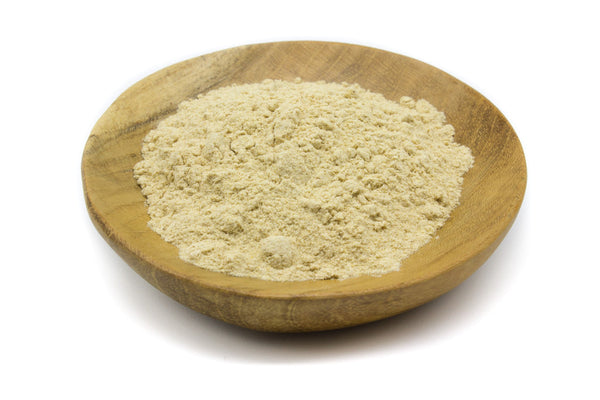
Brewer's Yeast for Dog Joints-Why You Should Pick It?
Brewer's Yeast - A Nutritious, Affordable Supplement for Healthy Joints and More Unlike synthetic supplements, it is well-tolerated by most dogs, and promotes overall vitality, including skin, coat, digestion, and immune health. It is becoming a popular natural support to dog joint health, as it is easy to add to dog food and treats.
Conclusion
Brewer's Yeast is a great supplement that is also high in nutrients known to help with cartilage maintenance, inflammation support, and mobility-promoting joint health dog. It provides a natural and effective way to maintain joint strength whether they are for senior dogs, active breeds or those who are suffering from arthritis. Brewer's Yeast is a great supplement to canine nutrition that has far-reaching benefits for maintaining a healthier and more active life for dogs.
References
Journal of Veterinary Nutrition (2023 DOI: 10.1016/j.jvn.2023.03.003). "For Canines, the Nutritional Benefits of Brewer's Yeast"
Pet Health and Wellness Research Institute (2024). The title of the study was "Effects of Brewer's Yeast on Joint Inflammation in Aging Dogs."
DOI:10.5194/cp-18-621-2022Citation:Canine Science Journal (2022) Vitamins of B and Antioxidants In Joint Health
International Veterinary Conference (2023). Natural Supplements for Holistic Management of Canine Arthritis.