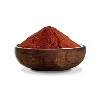
In the ever-evolving world of aquaculture, finding cost-effective and sustainable feed ingredients is paramount. One such ingredient that has garnered significant attention is corn gluten meal. This by-product of corn wet-milling has proven to be a valuable protein source in aquaculture diets, offering numerous benefits for fish growth and feed efficiency. In this comprehensive guide, we'll delve into the intricacies of corn gluten meal and its profound impact on aquaculture production.

The Nutritional Profile of Corn Gluten Meal
Corn gluten meal is a protein-rich feed ingredient derived from corn processing. It typically contains 60-70% crude protein, making it an attractive alternative to more expensive protein sources like fishmeal. Beyond its high protein content, corn gluten meal boasts a favorable amino acid profile, particularly rich in methionine and cysteine. These sulfur-containing amino acids play crucial roles in fish metabolism and growth.
The nutritional composition of corn gluten meal extends beyond proteins. It also contains moderate levels of energy, primarily from carbohydrates and fats. This energy content contributes to its ability to support fish growth and development. Additionally, corn gluten meal is a good source of xanthophylls, particularly lutein and zeaxanthin. These carotenoids can enhance the pigmentation of fish flesh, a desirable trait in certain aquaculture species like salmon and trout.
It's worth noting that corn gluten meal is relatively low in lysine, an essential amino acid for fish. However, this limitation can be easily addressed by supplementing with lysine-rich ingredients or synthetic lysine in feed formulations. The low fiber content of corn gluten meal is another advantage, as it allows for better digestibility and nutrient utilization in fish.

Enhancing Growth Performance in Aquaculture Species
Numerous studies have demonstrated the positive effects of corn gluten meal on growth performance in various aquaculture species. When incorporated at appropriate levels in fish diets, corn gluten meal can support growth rates comparable to those achieved with traditional protein sources like fishmeal.
For instance, research on tilapia has shown that replacing up to 50% of fishmeal with corn gluten meal in diets does not negatively impact growth performance. In some cases, it even leads to improved growth rates. This is particularly significant given that tilapia is one of the most widely farmed fish species globally.
Similarly, studies on rainbow trout have indicated that corn gluten meal can effectively replace a substantial portion of fishmeal in diets without compromising growth. The high digestibility of corn gluten meal proteins contributes to its efficacy in supporting fish growth. Fish can efficiently utilize the amino acids provided by corn gluten meal for protein synthesis and muscle development.
It's important to note that the optimal inclusion level of corn gluten meal may vary depending on the fish species, life stage, and overall diet composition. Careful consideration of these factors is necessary when formulating aquaculture feeds to maximize growth performance.

Improving Feed Efficiency in Aquaculture
Feed efficiency is a critical factor in aquaculture production, directly impacting production costs and environmental sustainability. Corn gluten meal has shown promising results in improving feed efficiency across various aquaculture species.
The high protein digestibility of corn gluten meal contributes significantly to its positive impact on feed efficiency. When fish can digest and absorb a larger proportion of the protein in their feed, they require less total feed to achieve the same growth. This translates to improved feed conversion ratios (FCR), a key measure of feed efficiency in aquaculture.
Studies on Atlantic salmon have demonstrated that diets containing corn gluten meal can lead to improved FCR compared to traditional fishmeal-based diets. This improvement in feed efficiency not only reduces feed costs but also minimizes nutrient waste, contributing to more environmentally sustainable aquaculture practices.
The energy content of corn gluten meal also plays a role in enhancing feed efficiency. By providing a balanced combination of protein and energy, corn gluten meal supports efficient nutrient utilization. This allows fish to allocate more energy towards growth rather than maintenance, further improving overall feed efficiency.
Moreover, the inclusion of corn gluten meal in aquaculture diets can lead to improved protein retention efficiency. This means that a higher percentage of the dietary protein is converted into fish biomass, rather than being excreted as waste. This not only enhances growth but also reduces the environmental impact of aquaculture operations.
It's worth highlighting that the benefits of corn gluten meal on feed efficiency extend beyond just protein utilization. The xanthophylls present in corn gluten meal can enhance the coloration of fish flesh, particularly in salmonids. This improved pigmentation can be achieved with less total pigment in the diet, further contributing to feed efficiency and cost-effectiveness.
.jpg "news-1-1")
Conclusion
Corn gluten meal has emerged as a valuable ingredient in aquaculture feeds, offering significant benefits in terms of growth performance and feed efficiency. Its high protein content, favorable amino acid profile, and good digestibility make it an excellent partial replacement for more expensive protein sources like fishmeal.
By supporting comparable or even improved growth rates in various fish species, corn gluten meal helps aquaculture producers maintain productivity while potentially reducing feed costs. The improvements in feed efficiency associated with corn gluten meal use contribute to more sustainable aquaculture practices by reducing nutrient waste and environmental impact.
For more information on corn gluten meal and other innovative feed ingredients for aquaculture, don't hesitate to reach out to our team of experts at info@hjagrifeed.com. We're here to support your aquaculture endeavors with cutting-edge nutritional solutions.
References
Gatlin III, D. M., Barrows, F. T., Brown, P., Dabrowski, K., Gaylord, T. G., Hardy, R. W., ... & Overturf, K. (2007). Expanding the utilization of sustainable plant products in aquafeeds: a review. Aquaculture Research, 38(6), 551-579.
Hua, K., & Bureau, D. P. (2012). Exploring the possibility of quantifying the effects of plant protein ingredients in fish feeds using meta-analysis and nutritional model simulation-based approaches. Aquaculture, 356, 284-301.
Nunes, A. J., Sá, M. V., Browdy, C. L., & Vazquez-Anon, M. (2014). Practical supplementation of shrimp and fish feeds with crystalline amino acids. Aquaculture, 431, 20-27.
Mente, E., Deguara, S., Santos, M. B., & Houlihan, D. (2003). White muscle free amino acid concentrations following feeding a maize gluten dietary protein in Atlantic salmon (Salmo salar L.). Aquaculture, 225(1-4), 133-147.
Storebakken, T., Shearer, K. D., & Roem, A. J. (2000). Growth, uptake and retention of nitrogen and phosphorus, and absorption of other minerals in Atlantic salmon Salmo salar fed diets with fish meal and soy-protein concentrate as the main sources of protein. Aquaculture Nutrition, 6(2), 103-108.