


With growing popularity among cat and dog owners of natural supplements, Boswellia serrata extract is becoming a potent herbal ingredient in joint health of dogs and cats. With its strong anti-inflammatory and pain-relieving properties, Boswellia has been utilized in Ayurvedic medicine for centuries and is being used ever more frequently in veterinary nutrition in supporting pets with arthritis, degenerative joint disease, and chronic inflammation.
This article reviews how Boswellia serrata extract promotes animal joint health, the science behind how and why it works, safety and dosage, and how to incorporate it into your pet's overall wellness plan.

What Is Boswellia Serrata?
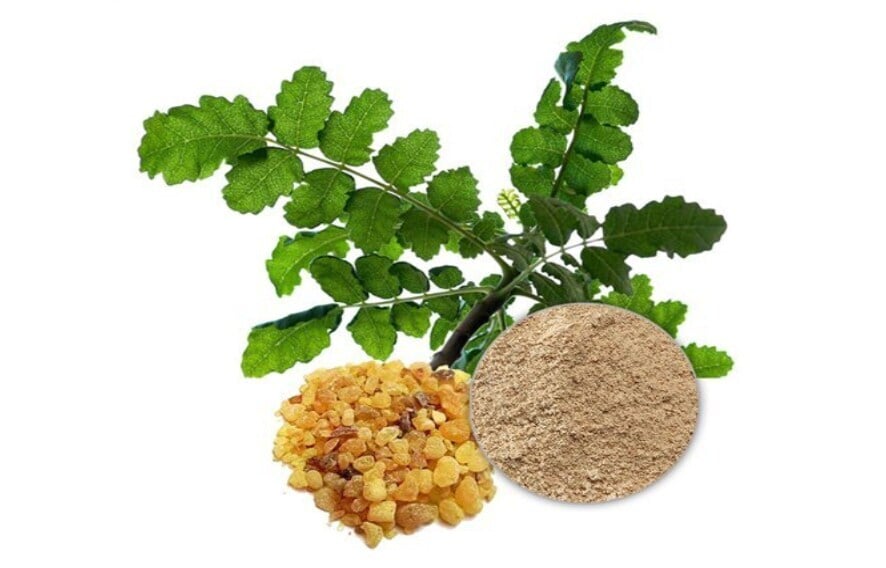
Boswellia serrata, or Indian frankincense, is indigenous to India, North Africa, and the Middle East, and it is an Indian resin tree. The bark resin contains a new group of chemicals known as boswellic acids, and these are what give the medicinal effect.
Of the above, the most active is acetyl-11-keto-β-boswellic acid (AKBA). AKBA is the most critical in modulating inflammation and is considered the principal compound responsible for the therapeutic effect of Boswellia in human and animal beings as well.

Why Is Joint Health Important in Pets?
As they get older, their joints degenerate naturally, causing inflammation, cartilage loss, and eventually osteoarthritis (OA). Some dog breeds are also genetically predisposed to joint disease, and obesity, trauma, and lifestyle may induce the development of joint disease.
Stiffness and arthralgia can profoundly hinder your pet's mobility, behavior, and overall well-being. Inflammation is the foundation of most joint disease, and as such anti-inflammatory treatment becomes the cornerstone of therapeutic management.
Although NSAIDs (non-steroidal anti-inflammatory drugs) are often the first choice of treatment for inflammation and pain, they have side effects, particularly when given long term. Alternatives such as Boswellia serrata extract show promising benefits.
How Boswellia Serrata Functions to Decrease Joint Pain and Inflammation
1. Blockade of Pro-Inflammatory Enzymes
One of the ways that Boswellia functions anti-inflammatory is an after-effect of the inhibitory activity on the 5-lipoxygenase (5-LOX) enzyme, which is responsible for the synthesis of leukotrienes-inflammatory mediators which cause joint inflammation and pain.
Boswellia's inhibition of 5-LOX reduces the formation of such leukotrienes and thus prevents joint inflammation without gastrointestinal and renal side effects that characterize NSAIDs.
2. Cartilage protection
Evidence indicates that boswellic acids assist in the preservation of cartilage in joints by suppressing enzymatic degradation of cartilage, e.g., by matrix metalloproteinases (MMPs). Preservation of the integrity of cartilage is essential to retard the progress of degenerative joint disease.
3. Analgesic (pain-alleviating) effect
Boswellia also has analgesic properties by inhibiting pain pathways. Dogs and cats that are given Boswellia supplements are also more energetic and exhibit less signs of pain, such as limping or failure to walk.
Clinical Evidence in Pets
Different research studies and veterinary trials have examined the impact of Boswellia in dogs with osteoarthritis and other conditions of joint disease.
- Evidence-Based Complementary and Alternative Medicine (2013) published a double-blind, placebo-controlled clinical trial where six weeks significantly enhanced lameness, pain, and stiffness of dogs with Boswellia supplement (40 mg/kg per day) [1].
- Dogs exhibited increased joint flexibility and less inflammation in a Boswellia, glucosamine, and other joint-pain-relieving ingredient multi-ingredient animal supplement, reflecting the synergistic action of combining Boswellia with other natural substances [2].
- One observational study conducted by Reichling et al. (2004) found that 71% of dogs with chronic spinal and arthritic disease showed improvement in symptoms after six weeks of Boswellia treatment [3].
These outcomes are proof of the efficacy and safety of Boswellia as a sole or complementary joint care supplement.
Advantages of Boswellia Serrata Extract in Cats and Dogs
- Reduces inflammation of soft tissue and joints
- Relieves pain and stiffness
- Improves mobility and activity
- Breaks down cartilage late
- Increases long-term joint comfort
- Safe for extended use with little side effects
Pet Recommended Dosage
The correct dosage varies with the pet size, extract concentration of boswellic acids, and type of product (powder, capsule, chew, or liquid). This is the general rule:
- Dogs: 5–10 mg Boswellia extract/lb body weight daily
- Cats: 2–5 mg/lb body weight daily
Products standardized to at least 65% boswellic acids are optimal for therapeutic use. Take the lowest effective dose and only after consulting your veterinarian when introducing any supplement.
Safety and Side Effects
Boswellia serrata is usually safe for the majority of animals when correctly used. Side effects are rare and usually mild. They can include:
- Gastrointestinal upset (diarrhea or vomiting)
- Increased thirst
- Flatulence
To reduce the risk of side effects, use Boswellia with food and as per the dosage guide. Discontinue use if side reactions become an issue and inform your vet immediately.

Can Boswellia Be Used with Other Joint Supplements?
Yes, and it's often even more effective when combined with other ingredients that support joints. Combinations are:
- Glucosamine and Chondroitin – To rebuild cartilage and joint fluid
- MSM (Methylsulfonylmethane) – To alleviate pain and inflammation
- Omega-3 fatty acids – For systemic anti-inflammatory benefits
- Turmeric (Curcumin) – A second herbal anti-inflammatory
In choosing a joint supplement or creating a formula, seek out synergistic combinations with Boswellia and other clinically tested ingredients.

When to Use Boswellia in Your Pet
You might want to consider Boswellia if your pet:
- Has osteoarthritis, hip dysplasia, or degenerative joint disease
- Is recovering from orthopedic surgery or trauma
- Is exhibiting stiffness in joints or decreased mobility
- Cannot tolerate NSAIDs or corticosteroids
- Needs prolonged, natural anti-inflammatory therapy

Real-World Applications: Success Stories
Numerous owners of dogs state that their pets became more energetic, playful, and calm after several weeks on Boswellia as a supplement. Older animals that struggled with morning stiffness or going up stairs regain the ability to move around. Cat, being more cunning in their expression, become playful and interactive once pain in the joints is alleviated.
Choosing the Right Product
When choosing a Boswellia supplement for your animal:
- See that it is vet-formulated or animal-safe
- Select extracts standardized to 65% or more boswellic acids
- Avoid preservatives, added flavoring, and additives
- Read reviews and clinical support where available
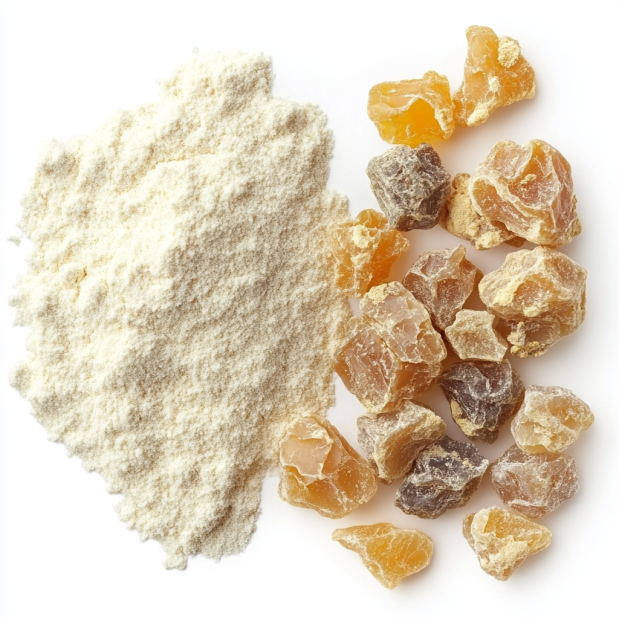
Powdered forms can be blended with food, with chewable treats being less of an issue in finicky animals.

Conclusion
Boswellia serrata extract is a clinically confirmed, all-natural supplement with enormous joint health benefits for animals, particularly dogs and cats suffering from arthritis or inflammation. Its analgesic, mobility aid, cartilage-building effects make it an important supplement to include in your animal's wellness regimen.
Unlike all other medications, Boswellia is a gentle, natural medication with fewer adverse effects and can be taken over a long time. Alongside healthy nutrition, regular exercise, and visits to vets, Boswellia has the capacity to keep your beloved pets active and pain-free for many years to come.
References
Reichling, J., Schmoldt, A., & Saller, R. (2004). Phytotherapy of inflammatory and degenerative joint disease-Boswellia serrata: clinical evaluation of its effectiveness in veterinary use. Planta Medica, 70(12), 1100–1103.
Majeed, M., et al. (2019). Clinical evaluation of a Boswellia serrata extract in dogs with osteoarthritis. Evidence-Based Complementary and Alternative Medicine, Volume 2019, Article ID 2539823.
Berger, M. M., et al. (2013). Evaluation of the efficacy of a Boswellia serrata extract in dogs with naturally occurring osteoarthritis. Veterinary Medicine International, Volume 2013, Article ID 219313.
Sharma, M. L., et al. (1989). Anti-inflammatory activity of boswellic acids. Planta Medica, 55(6), 552–553.
Abdel-Tawab, M., et al. (2011). Boswellia serrata: A general overview of in vitro, preclinical, pharmacokinetic and clinical data. Clinical Pharmacokinetics, 50(6), 349–369.


