In contemporary animal husbandry, feed efficiency maximization, promotion of metabolic well-being, and growth performance promotion are three of the most crucial objectives. Of the nutritional supplements that aid these purposes, Choline Chloride Corn Cob Powder is particularly noteworthy for its dual functionality-as a necessary nutrient and an affordable feed supplement. But how exactly does this twoness support animal nutrition?
This blog will address the science and advantages of Choline Chloride Corn Cob Powder, its application in the metabolism of companion pets and livestock, and how it helps achieve sustainable and efficient animal feed formulations.
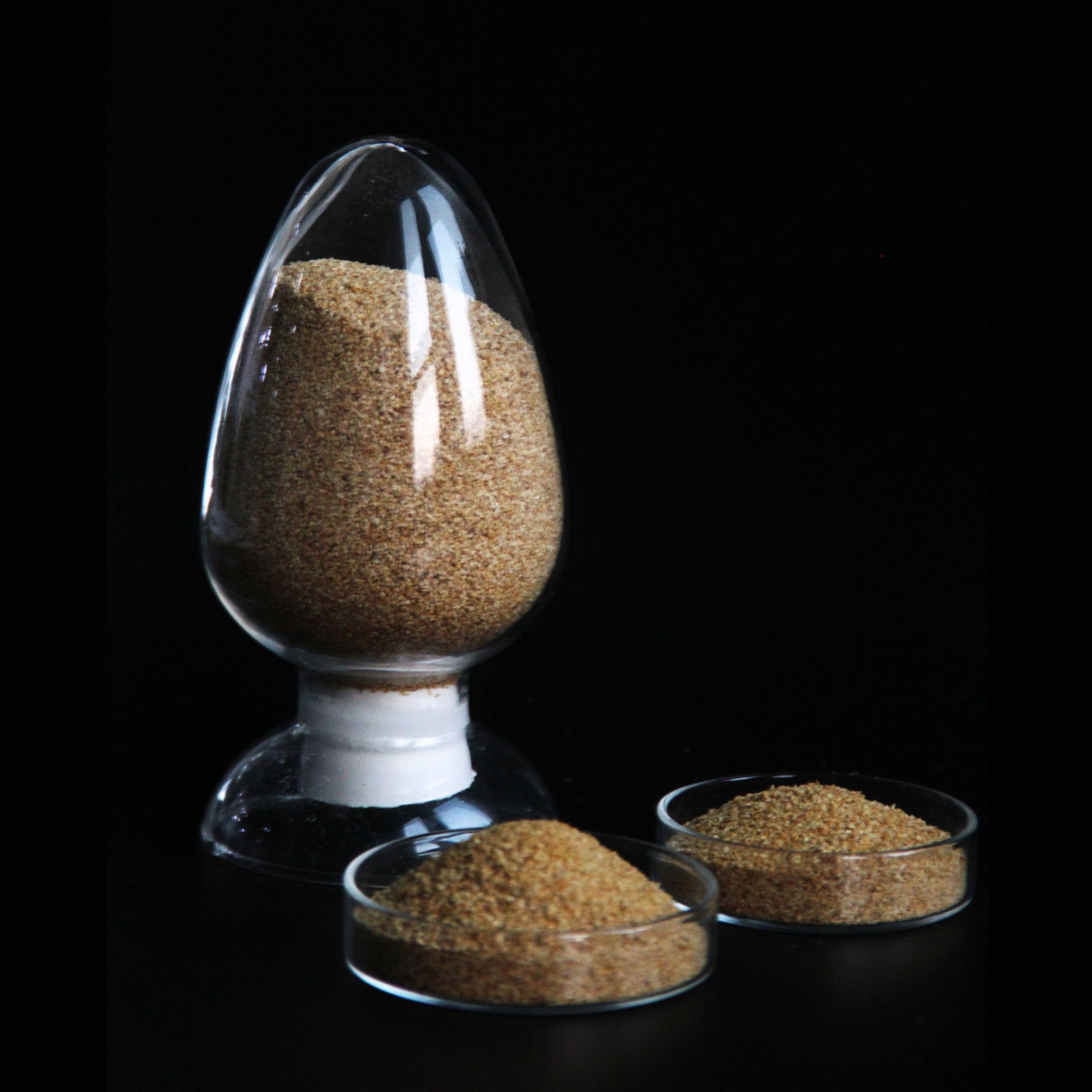
What Is Choline Chloride Corn Cob Powder?
Choline chloride is an aqueous-soluble B-vitamin mixture (commonly combined with vitamin B4) with a central position in various physiological functions. Choline chloride usually is attached to a carrier substance for additional stability and handling. Corn cob meal, a byproduct of corn milling with natural fiber content, is one of the most common carriers used.
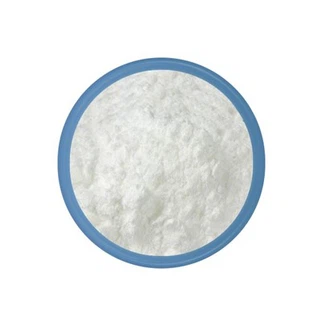
This combination-Choline Chloride Corn Cob Powder-is presenting the nutritional benefit of choline with the structural and blending benefits of corn cob fiber. The outcome is a free-flowing, stable, and very efficient feed supplement utilized on all poultry, swine, ruminant, and even aquaculture and pet applications.

The Role of Choline in Animal Nutrition
Choline is a key part of many metabolic and physiological functions in animals. Its most critical functions are as follows:
1. Fat Metabolism and Liver Function
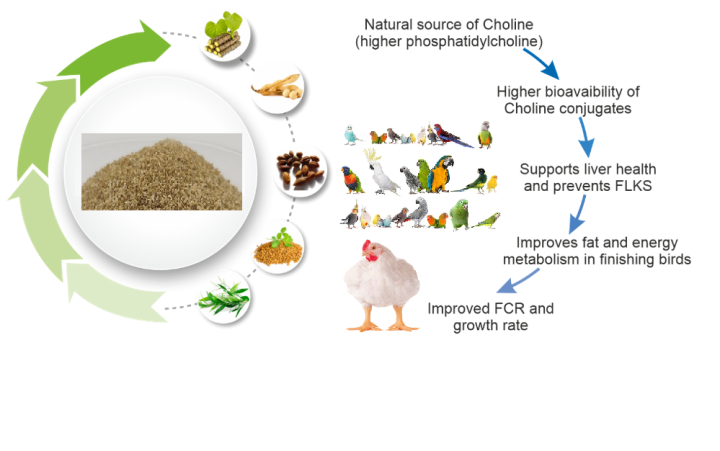
Choline is a precursor molecule to phosphatidylcholine, the primary cell membrane and lipoprotein structural component. Phosphatidylcholine plays an important role in lipid transport from the liver to the entire body. Without sufficient choline, fat builds up in the liver, resulting in fatty liver syndrome, which can inhibit productivity and growth.
In chickens and pigs, choline supplementation has decreased liver fat, improved liver function, and provided healthy weight gain.
2. Nervous System Function
Choline is an essential component in the construction of acetylcholine, a neurotransmitter that governs movement of muscles, learning, and memory. In animals, this means enhanced motor system, behavioral, and stress system control-essential to feed consumption and overall performance.
3. Methyl Donor to DNA and Protein Synthesis
Choline also serves as a methyl donor, and it promotes the donation of a methyl group to homocysteine, which is needed for methionine production, DNA replication, and protein synthesis. This activity is particularly critical when there are growth phases and pregnancy where cell growth and tissue development are maximized.
4. Reproductive Health
Choline is also involved in milk and fetal development. It is capable of improving fertility and preventing embryonic mortality in breeding animals.
Why Use Corn Cob Powder as a Carrier?
Although the dietary role of choline chloride is well recognized, the carrier also influences the performance of the additive. Corn cob powder does have some nutritional and functional advantages:
Natural and Biodegradable: As it is derived from renewable resources, corn cob powder is sustainable agriculture-friendly.
Fiber Content: Provides a modest amount of insoluble fiber to the diet, which is beneficial to gut motility and digestive health.
Good Flowability: Facilitates easy mixing within feeds, particularly when powdered or pelletized.
Moisture Absorption: Prevents products from becoming unstable during transport and storage.
The Corn cob powder also minimizes feed dust, enhances safety in handling, and allows the choline chloride to be uniformly distributed in the feed.

Species-Specific Benefits
Poultry
In broilers and layers, Choline Chloride Corn Cob Powder is generally added with:
To avert fatty liver hemorrhagic syndrome
To improve weight gain and feed conversion ratio (FCR)
To improve egg and hatchability production
To avert leg deformities like perosis in chicks
Swine
In pigs, particularly sows and growing piglets:
Supports lean body and healthy liver development
Augments reproductive performance and fetal growth
Minimizes oxidative stress in high-yielding sows
Ruminants
In ruminants such as dairy goats and cows, rumen-protected choline chloride is beneficial:
Improve milk yield and quality
Maintain liver health during transition
Decrease ketosis and metabolic disorders
While some of the choline is produced in the rumen, particularly high-yielding animals will generally require supplementation in addition.
Choline is a necessary nutrient in the diets of dogs and cats and is fortified in pet food. Choline is responsible for:
Brain and nerve development
Detoxification of the liver
Healthy skin and coat

Inclusion Rates and Safety
Optimal inclusion rates of Choline Chloride Corn Cob Powder differ with species and production application. The following is a guideline:
| Animal Type | Typical Dosage (mg/kg feed) |
|---|---|
| Broilers | 500–1,000 |
| Layers | 400–800 |
| Swine | 500–1,200 |
| Dairy Cows | 6–15 g/day (rumen-protected) |
| Dogs/Cats | According to AAFCO standards |
Choline chloride is safe and effective as a supplement when used by recommendation. Excessive choline can be uncomfortable to the gastrointestinal tract or interact with other medications, so its preparations must be controlled by a nutritionist.

Scientific Evidence Supporting Choline Supplementation
Various studies have evidenced the effectiveness of choline chloride in broiler feeds:
Supplementation in broilers decreased significantly liver fat deposition and enhanced feed efficiency (Jahanian, 2009).
In swine, choline enhanced fetal development and alleviated liver oxidative stress in sows (Zhao et al., 2018).
Rumen-protected choline enhanced milk yield and energy status of transition dairy cows (Arshad et al., 2020).
Such evidence necessitates the widespread use of choline chloride products in commercial animal feeding systems.
Environmental and Economic Impact
With the use of corn cob powder, a by-product from corn milling, as a carrier, waste reduction and circular agriculture are advocated by feed manufacturers. The use also saves on the use of synthetic carriers and meets the increasing demand for green feed ingredients.
Economically, Choline Chloride Corn Cob Powder is an economical response to the availability of a vital nutrient alongside enhanced properties in processing and storage of the feed.
Conclusion
Choline Chloride Corn Cob Powder is not just a feed additive; it is a critical piece in supporting animal health, growth performance, and metabolic efficiency assurance. Choline is involved in the essential functions of fat metabolism, liver and kidney functions, brain function, and reproduction, and corn cob powder provides a safe, effective, and eco-friendly carrier.
Across all application in poultry, pigs, ruminants, or companion animals, the mix ensures nutritional adequacy and feed formulation efficiency. To livestock producers, veterinarians, and pet food processors, Choline Chloride Corn Cob Powder continues to be an acceptable choice for promoting animal nutrition in a responsible and scientifically sound manner.
References
Jahanian, R. (2009). Effects of dietary choline and methionine supplementation on performance and liver lipid accumulation in broiler chicks. Poultry Science, 88(7), 1296–1301.
Zhao, Y. et al. (2018). Maternal choline supplementation improves reproductive performance and antioxidative capacity in pigs. Animal Nutrition, 4(2), 145–151.
Arshad, U. et al. (2020). Effects of rumen-protected choline on milk production and energy metabolism in dairy cows. Animal Feed Science and Technology, 260, 114339.
NRC. (2012). Nutrient Requirements of Swine. 11th rev. ed. National Academies Press.