


In the pursuit of quality, nutritious, and palatable animal feed, there is still one ingredient that remains timeless: hydrolyzed chicken liver. With its intense flavor and rich nutrient profile, hydrolyzed chicken liver offers benefits more than its flavor. Whether you're producing feed for companion animals or farm livestock, this protein source ingredient can enhance palatability and nutritional quality to your product, leading to improved feed intake, enhanced growth rate, and improved general health.
In this blog, we'll explore what hydrolyzed chicken liver is, how it works to improve animal diets, and why it's increasingly used in pet food and livestock feed formulations.

What is Hydrolyzed Chicken Liver?
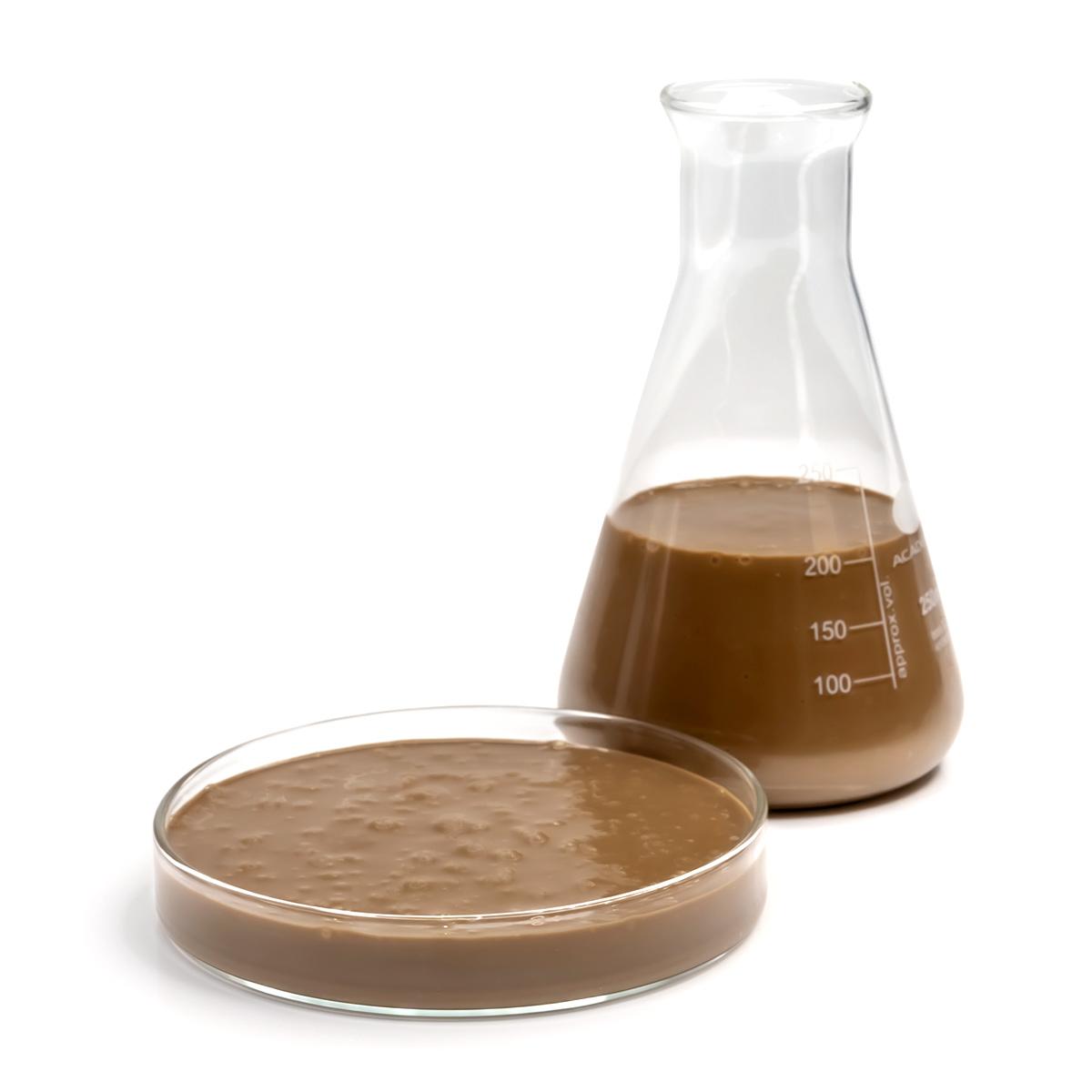
Hydrolyzed chicken liver is derived from fresh chicken livers which have been subjected to a hydrolysis process-a controlled enzymic hydrolysis of proteins to free amino acids and low-molecular-weight peptides. The hydrolysis process makes the proteins more bioavailable and helps break down the natural aroma and flavor volatiles of the liver, making it highly attractive to animals.
The result is a protein-rich, highly digestible powder or liquid widely used in pet foods and animal nutrition, particularly as palatability modifier and nutritional supplement.

1. Enhanced Palatability: Why Animals Love It
Natural Flavor and Aroma
Of the most important qualities of hydrolyzed chicken liver is that it has a strong umami taste and odor, which would become an inevitable call for carnivorous and omnivorous animals. Enzymatic decomposition during hydrolysis releases amino acids and peptides to work as taste enhancers just like when meat's flavor is brought out during cooking.
This makes hydrolyzed chicken liver an excellent choice for finicky eaters, especially in animals like dogs and cats who have the tendency to reject bland or novel food.
- Study Insight: Research has uncovered that hydrolysates, especially animal organ-based hydrolysates like liver, significantly enhance the palatability of dry kibble diets in animals compared to unhydrolyzed protein sources (Aldrich & Koppel, 2015).
Perfect for Medication Administration
Improved palatability is also critical when drugs or supplements are required to be given through the food. Hydrolyzed chicken liver can cover up the bitterness or objectionable taste of some pharmaceuticals or added functional ingredients, improving compliance.
2. Highly Digestible Source of Protein
Easy to Absorb Nutrients
Because hydrolyzed chicken liver has already been digested into short peptides and free amino acids, it is much simpler for animals to absorb and utilize. This is especially useful for:
- Weaning young or immature animals
- Old animals with impaired digestive efficiency
- Disease- and digestive-condition-recovered animals
Improved Digestibility
Digestibility is a valuable indicator of animal feed quality. Hydrolyzed proteins are more easily digested than intact proteins, representing increased nutrient uptake and reduced waste generation.
Research Findings: Hydrolyzed proteins in animal feed improved digestibility and amino acid uptake compared to intact proteins, a study in Animal Feed Science and Technology (van der Klis et al., 1997) found.
3. Concentrated Essential Amino Acids
Chicken liver hydrolyzed is a whole protein, and thus it comprises all the essential amino acids needed for tissue repair, growth, enzyme development, and immunity. Of special mention is that it is rich in:
- Taurine: Necessary in cats, which are not good at synthesizing it
- Arginine: Necessary for detoxification of ammonia in animals
- Methionine and Cystine: Sulfur amino acids important in skin, coat, and liver health
4. Natural Source of Vitamins and Minerals
Chicken liver is nutrient-dense amongst the organ meats. If hydrolyzed, it retains the advantages with improved absorption. The primary micronutrients are:
- Vitamin A: Needed for vision, immune function, and cell growth
- B vitamins (especially B12, riboflavin, niacin): Needed for energy metabolism and nervous system function
- Iron: Required for red blood cell formation and oxygen transport
- Zinc and Selenium: Important antioxidants and immune regulators
These nutrients play critical roles in animal development, growth, immune processes, and recovery from stress or disease.
5. Functional Benefits in Pet and Livestock Nutrition
a. Livestock Growth and Performance
In poultry, pigs, and aquaculture, inclusion of hydrolyzed chicken liver in diets has been shown to improve growth rates, feed efficiency, and carcass quality.
- Study Example: Aquaculture Nutrition research found that hydrolyzed animal proteins promoted growth performance and feed efficiency in young fish species and offered an alternative to traditional fishmeal (Buentello et al., 2010).
b. Immunomodulatory Effects
The peptides resulting from hydrolysis may also express bioactive activities. The hydrolysates are said to have the following effects based on some research:
- They stimulate immune function
- They reduce inflammation
- They function as antioxidants
Hydrolyzed chicken liver is thus a key functional feed ingredient, especially in companion animals with immunological diseases or farm animals subjected to environmental stress.
6. Hypoallergenic Properties
In some cases, hydrolyzed chicken liver can be applied in hypoallergenic diets. The hydrolysis process reduces the likelihood of the immune system recognizing the protein bits as allergens. Thus, hydrolyzed chicken liver would typically end up in prescription pet food for pets with food allergies and intolerance.
This depends, however, on the degree of hydrolysis. Pets that are known to be chicken-allergic must still remain under the care of a veterinarian before one can try any liver hydrolysates.
7. Value Addition and Sustainability
The use of organ meats like the liver in hydrolysate form discourages wastage of food and enhances value addition for poultry industry waste. It not only improves environmental sustainability but also renders feed manufacturing cost- and environmentally-friendly.
Practical Applications
Hydrolyzed chicken liver is used in a wide range of animal products:
- Dry cat and dog food and wet and dry kibble
- Powders and liquid palatants used for coating feeds
- Supplements that are functional for older or sick pets
- Livestock starter feeds, particularly poultry, pig, and fish
- Training snacks and high-value treats due to their tasty flavor

Things to Consider When Using Hydrolyzed Chicken Liver
- Quality is paramount: The nutritional value is determined by the hydrolysis process and material quality.
- Storage: Store it in a cool, dry place to maintain nutrient stability and avoid spoilage.
- Moderation: As useful as it is, excessive use causes imbalances, particularly with vitamin A content.

Conclusion
Hydrolyzed chicken liver is a generic ingredient used to enhance palatability and nutritional content of animal feeds. It is rich in bioavailable protein, vitamins and minerals, and flavor attractants that address a variety of requirements from stimulation of feed consumption to growth, immunity, and recovery.
Since pet owners and animal breeders are seeking high-performance, high-nutrient solutions, hydrolyzed chicken liver is a potent, environmentally friendly, and science-backed ingredient that should be included in modern animal nutrition plans.
References
Aldrich, G., & Koppel, K. (2015). Pet food palatability evaluation: A review of standard assay techniques and interpretation of results with a primary focus on limitations. Animals, 5(1), 43–55. https://doi.org/10.3390/ani5010043
Van der Klis, J. D., van Voorst, A., & van Cruyningen, C. (1997). Effect of protein source and dietary level of inclusion on protein digestion in broilers. Animal Feed Science and Technology, 67(3), 221–232.
Buentello, J. A., et al. (2010). Use of hydrolyzed poultry by-products as a protein source in aquafeeds. Aquaculture Nutrition, 16(5), 561–570.


