


In the quest for organic farming and ecologically friendly agriculture, farmers are increasingly switching to naturally derived natural chemicals that enhance crop yield without contaminating the soil. One of the bioactive chemicals gaining attention is tea saponin-a natural biostimulant as well as surfactant derived from Camellia seed.
Tea saponin is prominently known as an organic pest control agent, but its usage is much wider. If applied appropriately, tea saponin boosts plant growth, improves nutrient supply, and maintains microbial balance in the soil, and thus it is a dynamic agent in today's agriculture.
Here we discuss how tea saponin plays a role in plant growth and soil fertility and also its field applications, advantages, and safety measures.
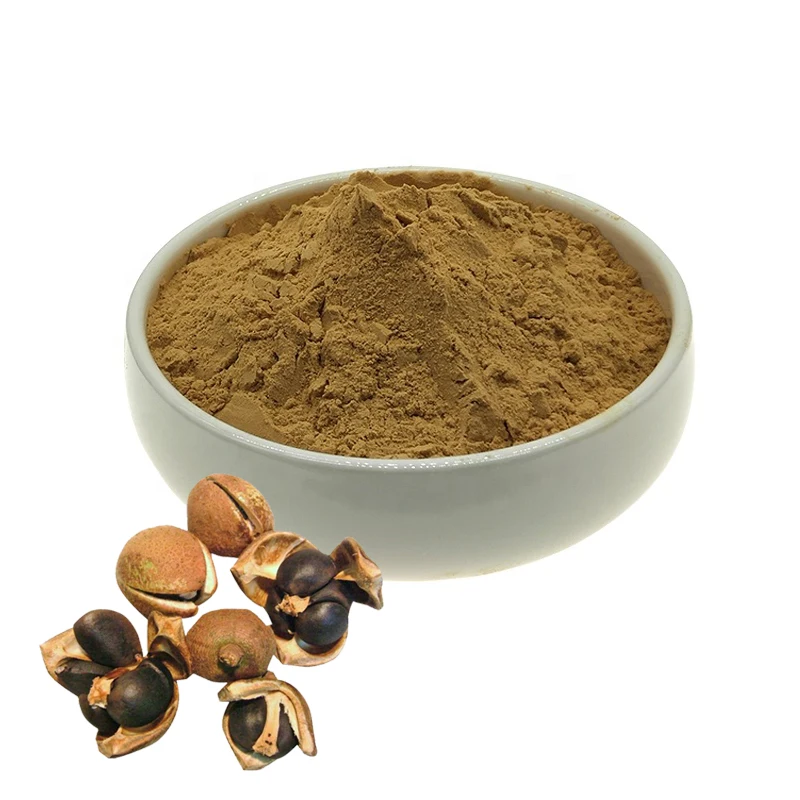
What Is Tea Saponin?
Tea saponin is a glycoside natural compound isolated from Camellia oleifera seed, or tea seed, or oil-seed camellia. Tea saponin is found as light brown colour and exists in the form of tea seed meal, which is the residue of tea oil extraction.
- Tea saponin is a triterpenoid saponin, and some of its prominent properties are:
- Natural surfactant (surface tension-reducing property)
- Biodegradable and nontoxic
- Mild antimicrobial and antifungal activity
- Emulsifying and wetting agent
Due to such properties, tea saponin finds extensive application in agriculture, aquaculture, cosmetics, and detergents. In agriculture, it is an agro-biostimulant, soil conditioner, and bio-pesticide.
.webp?width=721&height=379&name=Resize_AdobeStock_102891724-658317-edited%20(1).webp?size=x0 "Tea Saponin powder manufacturer")
How Tea Saponin Facilitates Plant Growth
1. Stimulation of Nutrient Uptake
The surfactant property of tea saponin lowers the water and soil surface tension, enabling nutrients and water to penetrate further into:
- Soil micropores
- Plant root zone
- Fertilizer delivery systems
This improves nutrient absorption by the roots, especially in dry or hard soils. Increased penetration results in:
- Improved fertilizer use efficiency
- Improved root strength
- Increased seedling establishment
2. Improves Plant Metabolism
Tea saponins can act as biostimulants through:
- Activating plant growth- and stress-response enzyme systems
- Enhancing photosynthesis and chlorophyll synthesis
- Supporting natural plant hormones, such as auxins and cytokinins
This leads to improved plant vigor, leaf growth, and increased yields-most obviously in vegetables, fruits, and flowers.
3. Enhances Water Retention and Moisture Movement
Through a reduction in the surface tension of water, tea saponin enables water to:
- Spread more uniformly through soil horizons
- Enhance root zone water content
- Decrease runoff and water loss
This renders it extremely beneficial in arid areas or sandy soils that have limited water retention capacity.

How Tea Saponin Increases Soil Health
1. Supports Beneficial Microbial Activity
Tea saponin promotes soil health by activating microbial proliferation and diversity. It does this by:
- Supplying organic carbon as microbial energy source
- Facilitating growth of nitrogen-fixing and phosphate-solubilizing microbes
Boosting populations of beneficial fungi like mycorrhizae, which will improve:
- Nutrient cycling
- Soil structure
- Resistance to disease
2. Repels Unwanted Pathogens and Pests
Tea saponin occurs naturally with antifungal and antibacterial compounds, which serve to:
- Inhibit pathogen and pest growth that is detrimental to them
- Suppress root diseases like Fusarium and Pythium
- Suppress soil pests like nematodes and fungus gnats
- Suppress algae and mosquito larvae in hydroponics or flooded fields
This biological control process minimizes the use of synthetic fungicides and pesticides, hence making tea saponin eligible for applications in organic and regenerative farm systems.
3. Enhances Soil Structure and Organic Matter
Repeated usage of tea saponin (particularly in the form of tea seed meal) contributes to soil organic matter, enhancing:
- Cation exchange capacity (CEC) for nutrient retention
- Aeration and drainage in hard pan soils
- Aggregation and crumb structure in clay soils
Organic-amended soil such as tea saponin is more resistant to erosion, compaction, and salinity.

Principal Applications of Tea Saponin in Agriculture
| Application | Purpose |
|---|---|
| Soil amendment (powder) | Enhances fertility, microbial health |
| Liquid foliar spray | Boosts photosynthesis, nutrient uptake |
| Seed treatment | Improves germination and root growth |
| Root drench | Controls nematodes and improves root zone hydration |
| Hydroponics | Prevents algae and microbial imbalance |
Application Guidelines
- Powdered: 0.5–2% in potting mix or topsoil
- Liquid solution: 1–2 grams per liter water as a foliar spray
- Seed soaking: 0.1–0.2% tea saponin solution for 12–24 hours
- Hydroponics: 0.5–1 gram per liter in nutrient solutions
Always do spot testing before mass application to determine plant suitability, particularly for sensitive varieties.
Safety and Precautions
Tea saponin is eco-friendly, safe if used appropriately, and biodegradable. Concentrations above, however, can cause phytotoxicity or stress.
Do:
- Use recommended rates of dilution
- Use early morning or late afternoon to prevent foliar burn
- Store in a cool, dry place, out of sunlight
Don't:
- Apply thickly during flowering since it has the tendency to inhibit pollinator attraction
- Mix with high-concentration chemical pesticides without any compatibility test
- Apply on very young seedlings undiluted

Environmental Benefits
Tea saponin is a renewable, zero-waste resource. It is used in agriculture in favor of:
- Less chemical fertilizer and pesticide use
- Safe run-off into water systems
- Lower carbon footprint than synthetic inputs
- Circular economy for tea oil-producing regions
It is thus best for organic farms, green farmers, and sustainable landscaping applications.
Conclusion
Tea saponin is a powerful and versatile plant growth stimulant for crops, and for soil. From optimizing nutrient and water uptake to useful bacteria, and pest management, this natural substance provides an integrated system for enhanced crops and ecologically sound agriculture.
With farmers increasingly interested in non-synthetic ways of farming without agrochemicals, tea saponin is rapidly emerging as a safe, efficient, and eco-friendly alternative.
References
Zhang, J. et al. (2019). Effects of tea saponin on soil microbial community and nutrient cycling. Applied Soil Ecology, 140, 65–72.
Liu, Y. & Wang, X. (2021). Tea saponin: A natural surfactant with agricultural potential. Journal of Plant Nutrition, 44(18), 2643–2652.
FAO (2023). Sustainable Use of Plant-Based Biostimulants in Organic Farming.
He, Q. et al. (2020). Inhibitory effects of Camellia saponins on soil nematodes and root diseases. Ecological Indicators, 111, 105951.


