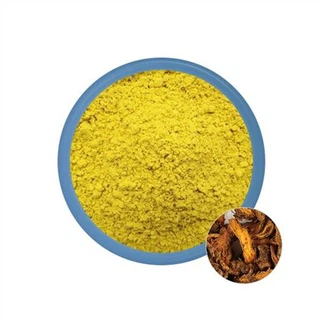
Is Astaxanthin Safe For Dogs? In a word, yes! It's not just safe for dogs; it is excellent for dogs. Just like humans, dogs can benefit tremendously from antioxidants — and astaxanthin is one of the most powerful antioxidants of them all. The answer requires a more in-depth analysis, and that's exactly what we'll explore in this blog post.

What is Astaxanthin?
Pure astaxanthin powder is a powerful, naturally occurring carotenoid pigment that's found in certain algae and causes the pink or red color in salmon, trout, lobster, shrimp, and other seafood. Renowned for its potent antioxidant properties, astaxanthin stands out among other antioxidants due to its ability to never become a pro-oxidant, thereby posing less risk of harmful oxidation.
Benefits of Astaxanthin for Dogs
Astaxanthin has been hailed as a 'super-antioxidant' and for good reason. Here's a breakdown of its benefits:
Powerful Antioxidant
Just as in humans, oxidative stress and inflammation can be a major cause of various health conditions in dogs. Astaxanthin's antioxidant properties may help protect your pet from these conditions by neutralizing harmful free radicals.
Supports Joint and Skeletal Health
Astaxanthin can help reduce inflammation and pain associated with conditions like arthritis, potentially improving mobility and quality of life for dogs suffering from these ailments.
Boosts Immunity
By reducing inflammation, astaxanthin may boost your dog's immune system and overall health.
Promotes a Healthy Skin and Coat
Rich in carotenoids, astaxanthin can promote healthy skin and coat, reducing instances of dry skin and shedding.
Supports Eye Health
Studies have suggested that astaxanthin can protect against cataracts and other eye-related conditions in dogs.
Dosage and Administration
The dosage of astaxanthin for dogs largely depends on their size and weight.
- For small dogs under 20 lbs: 2mg per day
- Medium-sized dogs (20-55 lbs): 4mg per day
- Large dogs over 55 lbs: 8mg per day
It's recommended to consult with a veterinarian before beginning any supplement regimen to ensure your pet's safety.
Astaxanthin Risks and Side Effects
While astaxanthin is generally considered safe, like any supplement, it can pose potential risks and side effects. Overdosing can lead to:
- Changes in fur color
- Decreased blood pressure
- Hormonal changes
This is why it is crucial to consult a veterinarian and follow proper dosage guidelines.

Choose Astaxanthin Supplement for Your Dog
When choosing an astaxanthin in supplement for your dog, make sure you're selecting a product that:
Is Sourced from Natural Algae
Natural astaxanthin is derived from the microalgae, Haematococcus Pluvialis. This is vastly superior to synthetic forms, which are less effective and potentially more risky.
Has Clear Labeling
Labels should clearly indicate the astaxanthin content per serving. Brands that aren't transparent about their labeling might have something to hide.
Is Free from Additives and Fillers
Supplements should be free from harmful additives, artificial colors, and fillers. Always check the ingredient list to ensure you're giving your pet the best quality product.
Is Vet-Recommended
Choosing a vet-recommended product can add another layer of assurance regarding the product's safety and efficacy.
For bulk Astaxanthin powder, please contact us by email: info@hjagrifeed.com
References:
[1] Pashkow, F. J., Watumull, D. G., & Campbell, C. L. (2008). Astaxanthin: a novel potential treatment for oxidative stress and inflammation in cardiovascular disease. American Journal of Cardiology, 101(10), S58-S68.
[2] Naito, Y., Uchiyama, K., Aoi, W., Hasegawa, G., Nakamura, N., Yoshida, N., ... & Yoshikawa, T. (2004). Prevention of diabetic nephropathy by treatment with astaxanthin in diabetic db/db mice. BioFactors (Oxford, England), 20(1), 49-59.
[3] Guerin, M., Huntley, M. E., & Olaizola, M. (2003). Haematococcus astaxanthin: applications for human health and nutrition. Trends in Biotechnology, 21(5), 210-216.
[4] Fakhri, S., Abbaszadeh, F., Dargahi, L., & Jorjani, M. (2018). Astaxanthin: A mechanistic review of its biological activities and health benefits. Pharmacological Research, 136, 1-20.
[5] Capelli, B., & Cysewski, G. R. (2013). Potential health benefits of spirulina microalgae.