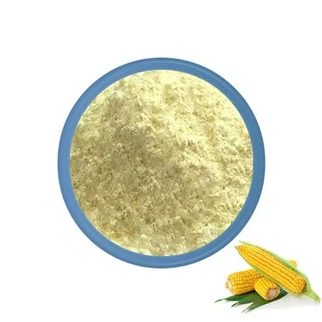
With livestock and poultry production systems targeting higher productivity, better health, and sustainability, functional feed additives are gaining increasing prominence. Among them is feed grade inositol powder, or Vitamin B8, which is also becoming more popular due to its roles in cell health, fat metabolism, and stress reduction.
But what is inositol, and how beneficial is it to animal nutrition? More specifically, is it safe and effective to consume long-term in livestock, poultry, and even in companion animal food?
Let's explore the science-based benefit and safety profile of feed grade inositol in animal nutrition.

What is Inositol?
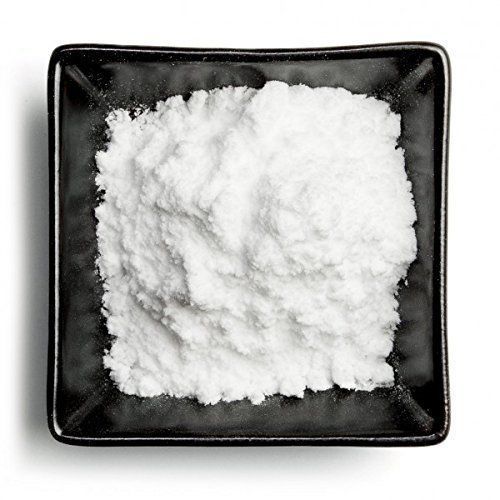
Inositol is a naturally occurring sugar alcohol, usually grouped with the B vitamins, though not technically a B vitamin. There are nine isomeric forms of inositol, of which myo-inositol is the most biologically active and useful in feed utilization. Myo-inositol occurs worldwide in plant material, particularly cereals and legumes.
In animal nutrition, feed grade inositol powder is a purified product added to feed to:
- Promote cell membrane formation
- Sustain lipid metabolism
- Increase insulin sensitivity
Enhance neurological and immune function
Benefits of Inositol in Animal Feed
1. Increases Growth and Feed Efficiency
Inositol enhances lipid and phosphorus metabolism, which are crucial for energy generation and growth. In poultry and swine, studies have shown that inositol supplementation can:
- Increase average daily gain (ADG)
- Decrease feed conversion ratios (FCR)
- Increase muscle development
2. Supports Liver Function and Lipid Metabolism
Inositol facilitates the emulsification of fat and its excretion from the liver, which is crucial in the avoidance of fatty liver syndrome in poultry or hepatic lipidosis in swine.
3. Improves Brain and Nervous System Function
Myo-inositol is involved in the synthesis of neurotransmitters such as serotonin and dopamine. In animals, this reduces stress, anxiety, and behavioral problems at critical stages of life such as weaning or transport.
4. Functions Synergistically with Phytase
Phytase enzymes which break down phytic acid in plant diets liberate inositol phosphates and phosphorus. Inositol supplementation may replicate or add to these effects, making it an economic synergist to phytase in non-ruminant feeds.

Safety of Feed Grade Inositol
Feed grade inositol has been determined safe for use in animal feed by regulatory bodies such as:
- EFSA (European Food Safety Authority)
- AAFCO (Association of American Feed Control Officials)
- FDA (U.S. Food and Drug Administration)
It is classified as Generally Recognized As Safe (GRAS) for pet food and animal feed use.
Toxicity tests reveal that inositol is not toxic even at high dosages. It possesses a high LD50 and no cited report of long-term harmful effects if used within levels of normal dietary intake.

Uses Throughout Animal Species
Poultry
- Improved feed efficiency and bone development.
- Reduced fat deposition and improved quality meat.
- Improved egg yield and yolk quality in layers.
Swine:
- Enhanced growth rate in weanling pigs.
- Improved liver health and stress reduction.
- Possible improved gut integrity.
Ruminants:
Inositol may be degraded in the rumen; rumen-protected inositol may be advantageous in liver function and fat metabolism, especially in transition cows.

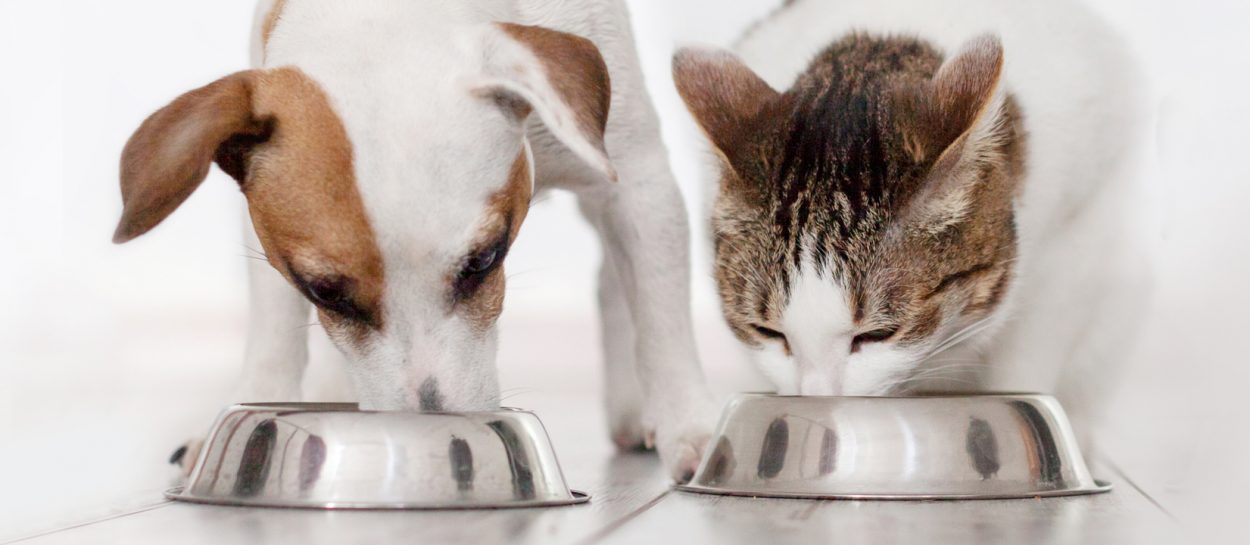
Companion Animals (Dogs and Cats):
- Supports liver detoxification and lipid metabolism.
- May be anxiolytic and support cognitive function.
- Many times found in prescription diets for brain and liver well-being.
Recommended Inclusion Levels
| Animal | Inclusion Level |
|---|---|
| Broilers | 100–500 mg/kg feed |
| Swine | 200–1000 mg/kg feed |
| Dogs & Cats | 50–200 mg/kg in pet food |
| Dairy Cows | 1–2 grams/day (encapsulated form) |
Inositol amount is dependent on species, age, and targeted production. Standard inclusion levels:
Always seek guidance from a nutritionist before adding new supplements to feed formulas.

Practical Application in Feed Formulations
Feed grade inositol is:
- Highly water-soluble
- Unaffected by pelleting conditions
- Compatible with vitamins, minerals, enzymes, and amino acids
May be incorporated into:
- Premixes
- Pellets
- Mash feeds
- Liquids

Restrictions and Considerations
Ruminants require encapsulated or protected forms to prevent rumen breakdown.
No significant advantage at very high concentrations-use recommended amounts.
Use source of good producers to ensure feed-grade purity standards.

Conclusion
Feed grade inositol powder is a wholesome, effective, and multi-functional animal feed nutrient additive. Its roles on growth, liver function, stress, and metabolism render it a highly valued ingredient for modern-day livestock and pet food applications.
Scientifically proven and safety approved, inositol enhances animal welfare and performance and contributes to driving sustainable and efficient feeding schemes. Inositol alone or in combination with enzymes like phytase offers a natural solution for the enhancement of animal health from birth to maturity.
References
Cowieson, A.J. et al. (2013). Effects of myo-inositol supplementation on broiler chicken growth and feed efficiency. Animal Feed Science and Technology, 179(1-4), 195–201.
Garrow, T.A. (2005). Choline and inositol: effects on lipid metabolism and hepatic health. Journal of Nutritional Biochemistry, 16(3), 147–153.
Sechi, G. & Deledda, M.G. (2008). Inositol and neurotransmission. Nutrition and Neuroscience, 11(5), 229–241.
EFSA FEEDAP Panel (2013). Safety and efficacy of myo-inositol as a feed additive. EFSA Journal, 11(7):3299.
Sommerfeld, V. et al. (2018). Phytate hydrolysis and inositol release in broilers. Poultry Science, 97(3), 920–928.
Gross, K.L. et al. (2000). Macronutrients and behavior in puppies. Journal of Nutrition, 130(7S Suppl), 2029S–2033S.