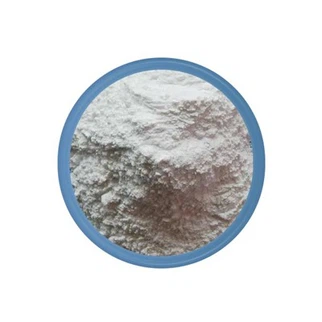
Rosemary (Rosmarinus officinalis) has been used for centuries as a medicinal and kitchen herb, but rosemary extract powder has become more and more accepted during the recent years as an entirely natural feed supplement for farm animals and pet animals. Being equipped with antioxidant, antimicrobial, and anti-inflammatory properties, rosemary extract powder is promising to animal overall health and performance enhancement. But is it safe and effective? Let us discuss its advantages, safety profile, and proposed uses based on scientific studies.

What is Rosemary Extract Powder?
Rosemary extract powder is derived from rosemary leaves of plants and standardized to capture its bioactive phytochemicals-mostly carnosic acid, carnosol, and rosmarinic acid-identified to exhibit strong antioxidant activity (Nieto et al., 2018). The extract is applied as a natural feed additive to support animal health and product quality.

Advantages to Livestock and Pets
1. Antioxidant Protection
Rosemary extract powder is a very effective natural antioxidant that guards against oxidative stress by eliminating free radicals. Oxidative stress may harm the welfare of animals and reduce the quality of products. For instance, rosemary extract supplementation was found to enhance the oxidative stability of meat and inhibit lipid peroxidation in pigs and chickens (Loetscher et al., 2013). In pet animals, antioxidants help in maintaining healthy skin and coat and immune health.
2. Antimicrobial Actions
The extract also possesses antimicrobial activity against different bacteria and fungi (Nieto et al., 2018). It protects animal and pet gut health from pathogens without disrupting equilibrium in the microbiome. Rosemary extract has been proven to hinder the growth of pathogenic bacteria such as E. coli and Salmonella in poultry (Yesil-Celiktas et al., 2007).
3. Anti-Inflammatory Actions
Rosemary's bioactive molecules exhibit anti-inflammatory properties that can help reduce inflammation in the intestines and maintain intestinal health (del Campo et al., 2000). It is particularly useful in stressed animals and pet animals with skin allergies or sensitivities.
4. Enhanced Digestibility and Quality of Feed
Rosemary extract powder has also been linked to enhanced feed efficiency and digestibility in animals. Rosemary extract has been used to stimulate bile secretion and enhance fat digestion, resulting in enhanced feed conversion ratios (Mrázová et al., 2021). In companion animals, enhanced digestion enhances the utilization of nutrients and avoiding gastrointestinal upset.
Safety Considerations
1. Dosage and Tolerance
At optimal inclusion rates (50–500 mg/kg of diet), rosemary extract powder is safe and non-toxic in the majority of animal species (European Food Safety Authority [EFSA], 2008).
2. Possible Side Effects
The rosemary extract powder otherwise is not toxic, but its excessive intake can lead to gastrointestinal upset or suppressed feed intake due to its strong odor and taste (EFSA, 2008). The recommended levels prevent this.
3. Species-Specific Sensitivities
Rosemary extract powder is safe in all farm animals (poultry, ruminants, pigs) and pets (cats, dogs) when properly applied. It should, however, be applied with caution in seriously ill, pregnant, or immature animals since sensitivities may differ on an individual basis.

Livestock Application
Poultry
Rosemary extract powder reduces oxidative stress in poultry meat and eggs, enhances gut health, and enhances growth performance in fact (Loetscher et al., 2013).
Swine
In swine, rosemary extract powder enhances intestinal health by regulating gut microbiota and inhibiting the growth of pathogens (Brenes & Roura, 2010). It also guards against oxidative stress damage since it is an antioxidant.
Ruminants
In ruminant nutrition, rosemary extract powder can minimize methane production by regulating rumen fermentation patterns and hence ensuring environmental sustainability (Patra & Saxena, 2010).

Use in Pets
Dogs and Cats
As an organic antioxidant in pet nutrition, rosemary extract powder prevents the oxidation of fat and upholds product stability (Pérez Conesa et al., 2009). It is also improving the health of skin, immunity, and can potentially manage inflammation in animals with sensitivities and joint disease.
Rosemary extract powder effectiveness is dependent on product quality and standardization. Quality products are standardized to active relevant compounds and contaminants. Stable efficacy and safety are provided in different animal diets (Nieto et al., 2018).

Conclusion
Rosemary extract powder is an effective, natural feed supplement with multiple health benefits to pets and animals. Antioxidant, antimicrobial, and anti-inflammatory activities of rosemary extract powder provide animal health, product quality, and performance.
At use levels recommended, rosemary extract powder is safe and nontoxic. With any animal feed additive, caution in application of a high-quality standardized material and transition to animal diets is recommended, particularly when introducing to sensitive or high-value animals.
Livestock producers and pet owners who want to use natural methods for enhancing animal health and performance could be interested in rosemary extract powder as a science-based option.
References
Brenes, A., & Roura, E. (2010). Essential oils in poultry nutrition: Main effects and modes of action. Animal Feed Science and Technology, 158(1-2), 1–14.
del Campo, J., Amiot, M. J., & Nguyen-The, C. (2000). Antimicrobial effect of rosemary extracts. Journal of Food Protection, 63(10), 1359–1368.
European Food Safety Authority (EFSA). (2008). Use of rosemary extracts as antioxidants in foods. EFSA Journal, 721, 1–29.
Loetscher, Y., Kreuzer, M., & Messikommer, R. E. (2013). Utility of rosemary extract in preventing lipid oxidation in poultry meat. Poultry Science, 92(1), 120–131.
Mrázová, A., Vachálková, A., & Piváček, J. (2021). Effect of rosemary extract on fat digestibility in broiler diets. Czech Journal of Animal Science, 66(4), 151–158.
Nieto, G., Ros, G., & Castillo, J. (2018). Antioxidant and antimicrobial properties of rosemary (Rosmarinus officinalis, L.): A review. Medicines, 5(3), 98.
Patra, A. K., & Saxena, J. (2010). A new perspective on the use of plant secondary metabolites to inhibit methane emission in ruminants. Animal Feed Science and Technology, 160(1-2), 1–18.
Pérez Conesa, D., Nielsen, N. S., & Jacobsen, C. (2009). Rosemary extract as a natural antioxidant for preventing lipid oxidation in omega-3 enriched foods. Food Science and Technology International, 15(2), 139–149.
Yesil-Celiktas, O., Sevimli, C., Bedir, E., Vardar-Sukan, F. (2007). Inhibitory effects of rosemary extracts, carnosic acid and rosmarinic acid on the growth of various human cancer cell lines. Plant Foods for Human Nutrition, 62(1), 1–7.