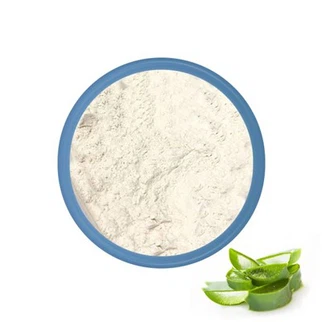
The spotlight on natural nutritional supplements for animal health has grown significantly in recent years, with one of the big hitters in this arena being yeast extract powder, which is generating a lot of interest, particularly in equine circles. But is yeast extract powder really good for horses? This blog discusses its nutritional components and potential health benefits and presents the ways in which can be fed into feasts for horses.
What Is Yeast Extract Powder?
Yeast extract powder comes from a species of yeast, Saccharomyces cerevisiae, found in baking, brewing and animal feed. The extract is produced by rupturing yeast cells, usually with heat or enzymes, to liberate their nutritional components.
Yeast extract has no living organisms unlike live yeast. What it is instead is bursting with B vitamins, amino acids, peptides, beta-glucans, nucleotides and minerals-it packs an impressive nutritional and functional compound punch.

Yeast Extract Powder: Nutritional Composition
Yeast extract is not just a protein supplement. Here's a rundown of its major nutrients:
- B Vitamins: Particularly B1 (thiamine), B2 (riboflavin), B6, niacin, folic acid.
- Amino Acids: Such as glutamic acid, lysine, and methionine.
- Peptides and Nucleotides: Enhances metabolism and immune function.
- Beta-Glucans and Mannans These bioactive compounds support gut health and immune defense.
- Trace minerals - such as selenium, zinc, and chromium.
This nutrient profile also varies to support the horse in everything from digestion to immune support and recovery.

Top 7 Advantages of Yeast Extract Powder for Horses
1. Enhances Digestive Health
A healthy digestive tract is crucial for nutrient absorption and overall healthy horses. Yeast extract powder:
- Supports nutritional gut flora, allowing for the development of fiber-degrading bacteria in the hindgut.
- Helping to stabilize cecal and colonic pH levels, thereby minimizing the risk of acidosis, which is a major problem in horses fed high concentrate diets.
- Encourages nutrient absorption - especially fiber and minerals such as phosphorus and magnesium.
Yeast extract supplementation can be particularly beneficial for horses with poor appetite, chronic diarrhea or gut imbalances.
2. Boosts Immune Function
Beta-glucans, which have immune-modulating effects, are present in yeast extract. These polysaccharides in gut-associated lymphoid tissue (GALT) play a huge role in the immune response, activating macrophages and other immune cells.
This leads to:
- Stronger disease resistance
- Quicker recovery from infections or stress
- Reduced inflammation, particularly in horses that are travelling or working hard
3. Enhances Coat Quality and Hoof Condition
Yeast extract powder, rich in B-vitamins, helps in:
- A glossier coat
- Better skin and mucous membrane health
- Enhanced hoof hardness and growth, including micronutrients such as biotin & zinc
- Supplementing regularly can produce noticeable differences in your horse's appearance and energy levels.
4. Supports Metabolism & Energy Levels
Also, along with yeast extract, B vitamins help in cellular energy production.
- Performance horse subject to heavy physical demand
- Horses that are recovering from an illness or surgery
- Older horses running on less efficient metabolism
- They assist with the breakdown of carbohydrates, fats and proteins into usable energy, which keeps horses alert and active.
5. Lowers the Amount of Stress and Improves Recovery
Horses are stressed from the following:
- Transport
- Competitions
- Feeling due to dietary change or environment
Yeast extract powder may help buffer the stress response in the following ways:
- (Withdrawal of cortisol at any level)
- Improving antioxidant function
- B-complex vitamins to support the nervous system
This can result in quicker recovery periods and increased composure and balance when faced with outside stressors.
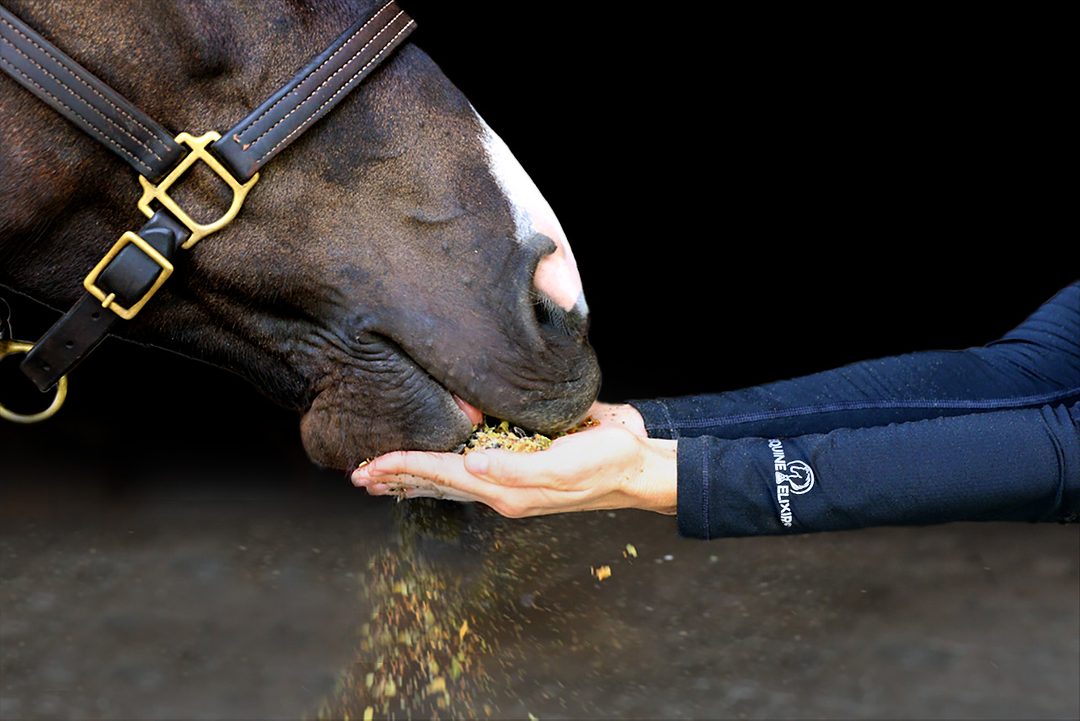
Yeast Extract Powder: Use in Equine Diets
Yeast extract is commonly added in powder form as a feed supplement. This is how to do it safely:
Recommended Dosage:
5 to 20 grams per day, based on the size, activity level and nutritional needs of the horse.
Always consult with an equine nutritionist or veterinarian for personalized guidance.
Mixing Instructions:
Directly mixed with the feed or added to wet mash.
If your horse is choosy start with a lower dose and work your way up to the recommended amount.

Who Should Get The Most Out Of Yeast Extract?
Although all horses have similar benefits from yeast extract, it is particularly beneficial for:
- Performance and sport horses Stamina, digestion, and recovery.
- Senior horses: Improved nutrient bioavailability and immune function.
- Foals and young horses: Supports development and gut health.
- Horses that are stressed or replenishing: Encourages recovery and maintains performance.
Safety and Side Effects
Properly fed, yeast extract powder is safe to horses. It is:
- Non-GMO
- Free of artificial additives
- Highly digestible
These side effects are rare, but if someone over-supplements, it may lead to mild bloating or changes in stool consistency. As always when introducing any new supplement, monitor your horse.

9 Yeast Extract vs. Live Yeast: What's the Difference?
Live yeast cultures or yeast extract are a common ingredient in many equine supplements. Here's how they compare:
FeatureYeast ExtractLive YeastLive OrganismsNoYesOver timeHighModerateDigestion SupportModerateStrongNutrient ProfileRich in B vitamins and peptidesMore limitedMode of ActionNutrient enrichment, immune supportMicrobiome modulation
Both have their merits, and some horse owners even use both for a synergysitic effect.
Conclusion
Yeast extract powder is a natural, scientifically-supported method of promoting horse health across a number of areas in your horse's life, from digestive function and immune strength to coat appearance and energy levels. Its unique profile makes it the powerhouse optional aspect of dietary modifications in equine feeding, particularly for performance horses or for seniors and those under stress.
Yeast extract is safe, well tolerated, and highly effective when used correctly to help your horse achieve his or her full potential-naturally.
References
Swyers, K.L., et al. (2008). Yeast culture supplementation improves digestibility and ruminal fermentation in horses. , Journal of Animal Science, 86(11), 3452–3461.
NRC. (2007). Horses: Nutrient Requirements of Horses National Academies Press.
Jouany, J.P., et al. (2008). Yeast culture effects on digestive efficiency of the horse. Livestock Science, 116(1–3), 56–62.
Lattimer, J.M., et al. (2007). Saccharomyces cerevisiae fermentation product effects on horse performance. Journal of Animal Science, 85(10), 2484–2491.
Dey, G., et al. (2019). A review on beta-glucans in nutrition. 374, 101–110. (2017) Nutritional Perspectives in Animal Health, 34(2), 101–110.