What is lutein?
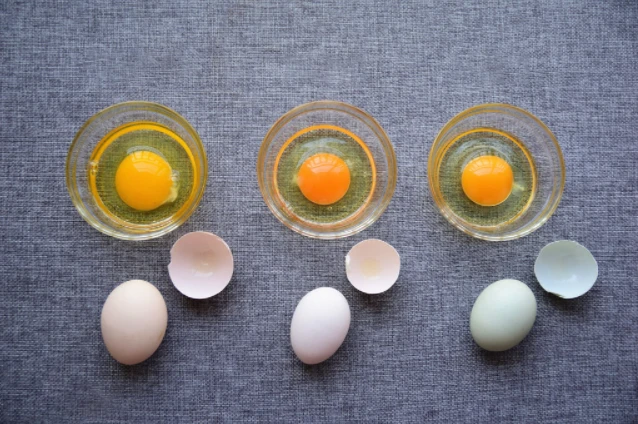
Lutein is a type of carotenoid, a natural pigment that is found in many foods, including egg yolks. lutein is often added to chicken feed to increase the lutein content of their eggs. these eggs are sometimes marketed as "lutein eggs" or "high lutein eggs". the yolk of these eggs will have a deeper yellow color, indicating a higher level of lutein.
Consuming lutein eggs may provide some benefits for eye health, as lutein is believed to help protect the eyes from oxidative damage that can lead to age related macular degeneration and other eye conditions. however, it's important to note that simply consuming lutein-rich foods like eggs is not a guarantee of improved eye health, and other factors such as overall diet and lifestyle choices also play a role.
Importance of lutein in animal nutrition
Lutein powder is an important nutrient in animal nutrition due to its role as a potent antioxidant and as a pigment in animal tissues. as an antioxidant, lutein helps protect animal cells from damage caused by free radicals, which are byproducts of normal metabolic processes that can damage cell membranes, DNA, and other cellular components. In addition, lutein has been shown to support eye health and reduce the risk of age-related macular degeneration in humans, and it is believed to have similar benefits for animals as well.

Lutein is also a pigment that is found in many animal tissues, including the skin, feathers, and eyes. In poultry for example, lutein is responsible for the yellow coloration of egg yolks, skin, and meat. In fish, lutein contributes to the bright colors of their scales and is important for attracting mates and deterring predators. In livestock, lutein can enhance the color and flavor of meat, making it more appealing to consumers.
Given its importance in animal nutrition, lutein is often added to animal feed as a dietary supplement. this can be particularly important for animals that do not naturally consume large amounts of lutein in their diets, such as those raised on feed that is low in carotenoids. by supplementing with lutein, animal producers can help ensure that their animals are receiving the necessary nutrients for optimal health and performance.
Lutein in animal nutrition
Given its importance in animal nutrition, lutein is often added to animal feed as a dietary supplement. This can be particularly important for animals that do not naturally consume large amounts of lutein in their diets, such as those raised on feed that is low in carotenoids. By supplementing with lutein, animal producers can help ensure that their animals are receiving the necessary nutrients for optimal health and performance.
Role of lutein as an antioxidant
Lutein plays an important role as an antioxidant in animal nutrition. As an antioxidant, lutein helps protect animal cells from damage caused by free radicals, which are byproducts of normal metabolic processes that can damage cell membranes, DNA, and other cellular components. Free radicals can cause oxidative stress, which has been linked to a variety of health problems in animals, including inflammation, cancer, and age-related degenerative diseases.
Lutein as a pigment in animal tissues
Lutein is also an important pigment in animal tissues, providing color to a variety of tissues, including skin, feathers, and eyes. In poultry, for example, lutein is responsible for the yellow color of egg yolks, skin, and meat. In fish, lutein contributes to the bright colors of their scales, and in birds, it provides color to feathers. In mammals, lutein is present in the eyes, where it helps to protect sensitive tissues from damage caused by high-energy blue light.
Sources of lutein in animal feed
There are several sources of lutein that can be added to animal feed to enhance the lutein content. These include:
Marigold: Marigold flowers are a rich source of lutein and can be dried and ground into a powder that can be added to animal feed.
Corn: Corn is another good source of lutein, with yellow corn containing more lutein than white corn.
Alfalfa: Alfalfa is a legume that is often used as a forage crop for livestock. It is also a source of lutein and can be added to animal feed as a supplement.
Spinach: Spinach is a leafy green vegetable that is high in lutein. It can be dried and ground into a powder that can be added to animal feed.
Synthetic lutein: Synthetic lutein can be produced in a laboratory and added to animal feed as a supplement.
The choice of lutein source will depend on factors such as cost, availability, and the specific needs of the animals being raised. Marigold is a popular source of lutein due to its high lutein content, but it can be relatively expensive. Corn and alfalfa are more affordable sources of lutein, but they may not provide as high a concentration of lutein per unit of feed. Synthetic lutein can be an attractive option due to its consistent quality and purity, but it may be more expensive than natural sources of lutein.
What is the use of lutein in poultry?
Enhancement of egg yolk pigmentation
One application of lutein in animal husbandry is to enhance the pigmentation of egg yolks. egg yolks are naturally yellow due to the presence of carotenoids, and lutein is one of the most abundant carotenoids found in egg yolks. by adding lutein to the diet of laying hens, egg producers can increase the amount of lutein in the eggs and improve their nutritional value. In addition to enhancing the pigmentation of egg yolks, lutein may also improve the health and well-being of the laying hens themselves.
Improvement of meat color and flavor
Another potential application of lutein in animal husbandry is to improve the color and flavor of meat in poultry, such as broiler chickens. Lutein has been shown to accumulate in the skin and muscle tissue of poultry, and may contribute to the yellow color of chicken skin and meat. By adding lutein to the diet of broiler chickens, producers may be able to improve the color and flavor of their meat products, which could lead to increased consumer demand.
Antimicrobial properties
The addition of lutein to the diet of hens can also improve the shelf life of eggs. lutein has been shown to have antimicrobial properties, which can help to
prevent the growth of harmful bacteria in eggs. This can help to extend the shelf life of eggs and reduce the risk of foodborne illness.
Aquaculture
Enhancement of fish coloratio
Lutein is also important in aquaculture, particularly for the health and coloration of fish and shrimp. In fish, lutein is responsible for the bright colors of their scales and flesh, which are important for attracting mates and deterring predators. which is dried and ground into a powder that can be added to fish and shrimp feed. Other sources of lutein, such as synthetic lutein or algae-derived lutein, can also be used.
Antioxidant propertie
Lutein is a powerful antioxidant that can provide important benefits in aquaculture by helping to protect fish and shrimp from oxidative stress. Oxidative stress occurs when there is an imbalance between the production of reactive oxygen species (ROS) and the body's ability to detoxify them. ROS can damage cells and tissues, leading to inflammation, disease, and reduced growth rates.
Improvement of reproductive performance
In mammals, lutein has been found to improve the reproductive performance of various species, including rats, cows, and horses. Lutein supplementation has been found to increase the number of healthy oocytes (immature eggs) produced, as well as improve the quality and quantity of sperm in males.
Livestock
Enhancement of meat color and flavor
Lutein can play an important role in the nutrition and health of livestock. Lutein is a carotenoid pigment that is found naturally in many plants and can be added to livestock feed as a supplement. Lutein can provide a range of benefits for livestock, including improved growth rates, fertility, and immunity.
Antioxidant properties
Lutein has been shown to improve the growth rates and feed efficiency of cattle, pigs, and poultry. This is thought to be related to the antioxidant properties of lutein, which can help protect the animals from oxidative stress and improve their immune function. In addition, lutein may help improve the digestibility of feed, leading to better nutrient absorption and utilization.
Improvement of reproductive performance
Lutein can also play a role in improving the fertility of livestock. In cows, lutein has been found to improve the quality of oocytes (immature eggs) and increase the success rate of artificial insemination. In pigs, lutein has been found to improve the quality of sperm and increase the number of piglets born per litter.

Dosage and safety considerations
The recommended dosage of lutein can vary depending on the intended use and animal species. For example, in poultry, the recommended dosage of lutein is typically between 5 and 20 mg/kg of feed, while in fish, the dosage can range from 50 to 500 mg/kg of feed. In general, it is recommended to start with a lower dosage and gradually increase it over time to avoid any potential adverse effects.
It is also important to note that the quality and source of lutein can affect its safety and effectiveness. Lutein supplements should be sourced from reputable manufacturers and be free from contaminants such as heavy metals and pesticides.
Overall, lutein is considered safe for animal consumption when used appropriately. Livestock producers should carefully consider the dosage and source of lutein in their feed to ensure optimal results and minimize any potential adverse effects.
Add this branded ingredient to your final product. Email: info@hjagrifeed.com
References: https://www.allaboutfeed.net/animal-feed/feed-additives/lutein-a-valuable-additive-in-broiler-diets/
https://www.sciencedirect.com/science/article/pii/S0022030214005864#:~:text=Feeding%20lutein%20can%20enhance%20the,milk%20quality%20in%20lactating%20cows.
https://ew-nutrition.com/us/all-rounder-lutein-supports-animals-and-humans/
https://www.mdpi.com/2304-8158/12/1/2
https://www.healthline.com/nutrition/lutein-and-zeaxanthin
https://nap.nationalacademies.org/resource/12461/satety_of_dietary_supplements_final.pdf