The marigold flower (Tagetes erecta), known for its vibrant yellow-orange petals, has long been admired for its ornamental beauty. However, in recent years, it has gained attention beyond the garden - especially in the fields of animal nutrition and health. Marigold flower powder, a natural extract derived from dried and ground marigold petals, offers a wealth of bioactive compounds that contribute to animal wellness, feed quality, and performance.
Rich in carotenoids, flavonoids, and essential oils, marigold flower powder is increasingly used as a natural feed additive in livestock, poultry, aquaculture, and even pet food. Its powerful antioxidant and anti-inflammatory properties make it a sustainable alternative to synthetic additives, while its pigmenting effects improve product quality - from egg yolk color to fish and shrimp appearance.
This article explores how marigold flower powder benefits animal health and nutrition, its key active components, practical applications across animal species, and the scientific research supporting its value.
What Is Marigold Flower Powder?
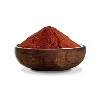
Marigold flower powder is produced by drying and milling the petals of the Tagetes erecta plant. The resulting powder contains a high concentration of carotenoids, particularly lutein and zeaxanthin, which are well-known for their antioxidant and pigmenting capabilities.
In addition to carotenoids, marigold flower powder contains flavonoids, saponins, and essential oils that contribute to its diverse biological activities. These natural compounds help reduce oxidative stress, boost immunity, and improve overall feed palatability.
Because marigold is 100% plant-derived and safe for animal consumption, it fits perfectly into the global movement toward natural, chemical-free, and sustainable animal nutrition.

Key Bioactive Compounds in Marigold Flower Powder
The nutritional and functional benefits of marigold flower powder come from its unique phytochemical profile. Some of the most important compounds include:
Lutein and Zeaxanthin
These are natural carotenoid pigments that play a crucial role in antioxidant protection and color enhancement. In animals, they support eye health, strengthen immune response, and improve the pigmentation of animal products such as egg yolks, broiler skin, and fish flesh.
Flavonoids and Polyphenols
These compounds have anti-inflammatory and antimicrobial effects, helping animals resist disease and maintain gut health. They also contribute to the reduction of oxidative damage caused by stress and environmental factors.
Saponins and Essential Oils
Saponins found in marigold flower powder have been shown to enhance immune activity and reduce intestinal pathogens. Essential oils also offer mild antimicrobial and anti-parasitic properties.

Antioxidant and Anti-inflammatory Benefits
One of the most significant advantages of marigold flower powder is its antioxidant capacity. Carotenoids such as lutein scavenge free radicals and protect animal cells from oxidative damage - a common problem caused by stress, poor feed quality, or disease.
In animals, oxidative stress can impair performance, reduce fertility, and weaken immunity. Supplementing with marigold powder helps balance this by increasing the levels of endogenous antioxidant enzymes like superoxide dismutase (SOD) and glutathione peroxidase (GPx).
Moreover, marigold extracts have shown anti-inflammatory properties, helping reduce tissue damage and promoting faster recovery from infection or injury. This is particularly beneficial for poultry and livestock raised in intensive production environments.

Immune System Enhancement
Marigold flower powder strengthens the animal's immune defense system through multiple mechanisms. It stimulates the production of immunoglobulins (IgG, IgA) and enhances macrophage activity, allowing the animal to better fight off pathogens.
In poultry studies, birds supplemented with marigold extract showed improved resistance against bacterial and viral infections, while also maintaining better growth rates and feed efficiency.
For young or stressed animals, marigold supplementation helps reduce immune suppression caused by environmental or dietary challenges.
Natural Pigment for Animal Products
Marigold flower powder is widely recognized for its use as a natural color enhancer. Lutein and zeaxanthin impart rich yellow to orange hues to animal-derived products such as:
- Egg yolks: Marigold inclusion in layer feed increases yolk color intensity, making it more appealing to consumers.
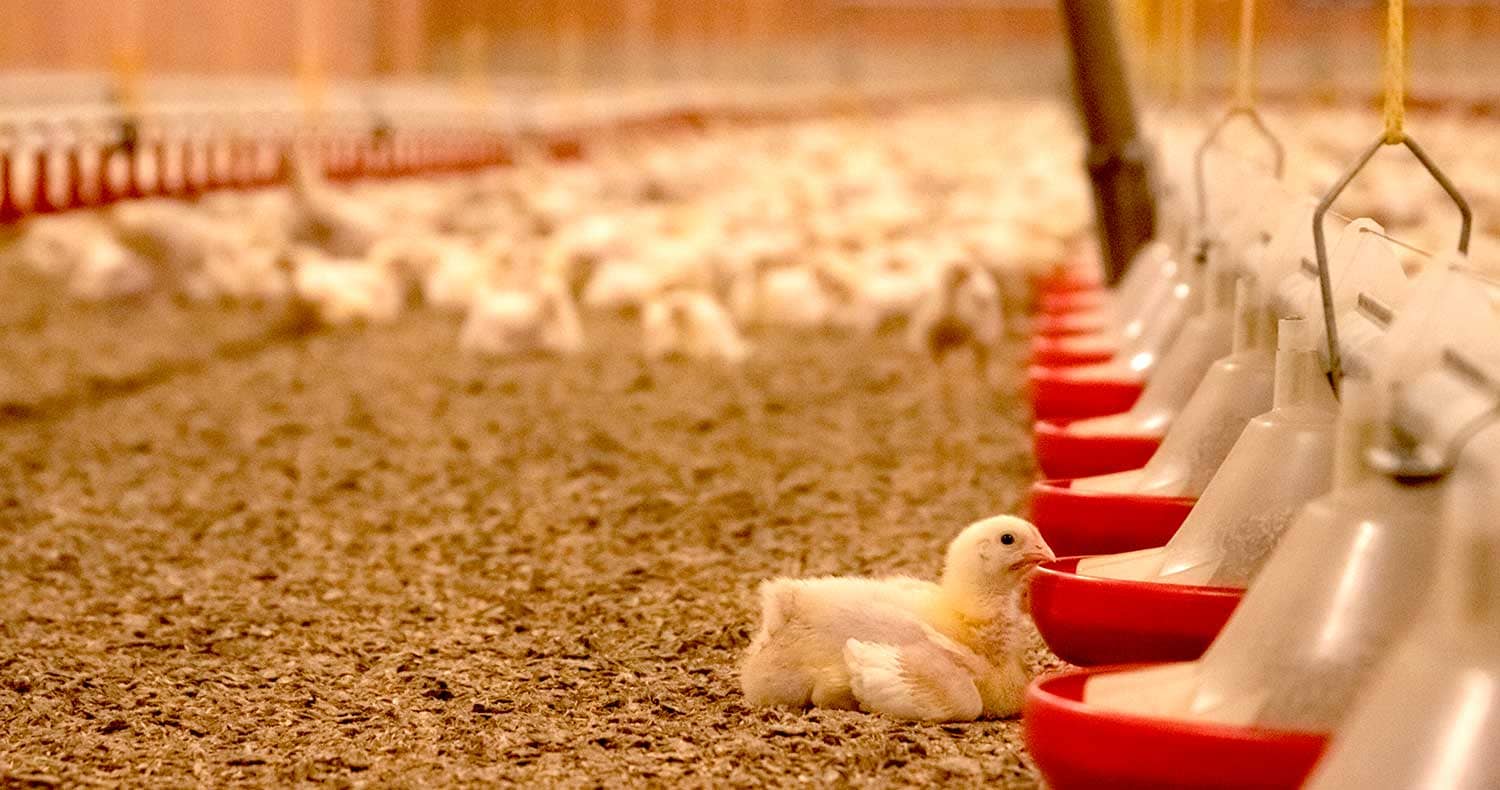
- Broiler skin: Carotenoids deposit in the skin and fat, giving broilers a healthier, golden appearance.
- Aquatic species: In fish and shrimp, marigold pigments enhance the natural coloration, improving market value and consumer acceptance.
Unlike synthetic colorants such as canthaxanthin, marigold powder is natural, non-toxic, and safe for both animals and humans.

Gut Health and Microbial Balance
Marigold flower powder contributes to gut health improvement by modulating intestinal microflora. The bioactive compounds inhibit harmful bacteria (such as E. coli and Salmonella) while promoting beneficial microbes like Lactobacillus.
This microbial balance enhances nutrient absorption and feed conversion efficiency, particularly in poultry and swine. A healthy gut environment also reduces the need for antibiotics - supporting antibiotic-free feeding programs.

Growth Performance and Feed Efficiency
Several studies have shown that dietary supplementation with marigold flower powder can improve growth performance, feed conversion ratio (FCR), and carcass quality.
For example:
- In broilers, marigold extract improved weight gain and reduced mortality rates.
- In laying hens, it enhanced egg production and shell quality.
- In fish and shrimp, marigold powder improved survival rate, coloration, and feed efficiency.
These benefits are largely attributed to the combined effects of antioxidants, improved gut health, and enhanced immunity.

Marigold Flower Powder in Aquaculture
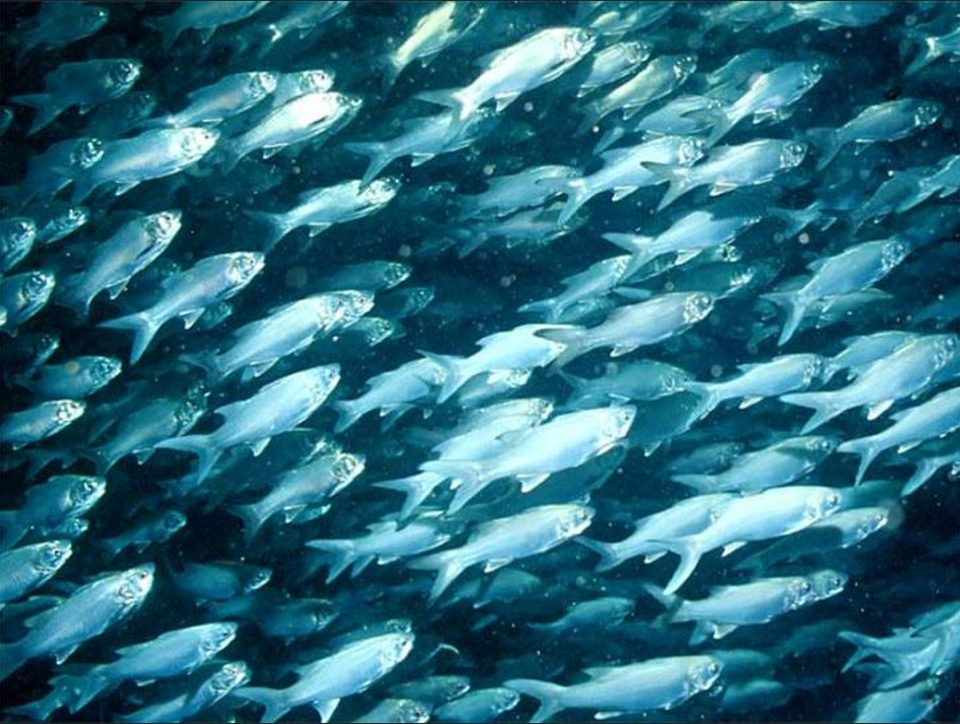
Aquaculture species like salmon, tilapia, and shrimp benefit greatly from marigold supplementation. The carotenoids in marigold enhance pigmentation in fish flesh and crustacean shells, while also improving antioxidant capacity and resistance to oxidative stress caused by high-density farming or temperature fluctuations.
Marigold-supplemented diets help fish maintain vibrant coloration, improve flesh texture, and boost immune system performance, leading to healthier and more marketable animals.
Benefits for Livestock and Pets
Beyond poultry and aquaculture, marigold flower powder also benefits other animals:
- Swine: Improves growth rate, gut health, and meat quality by reducing oxidative stress.
- Cattle: Enhances immune function and reduces inflammation associated with metabolic stress.
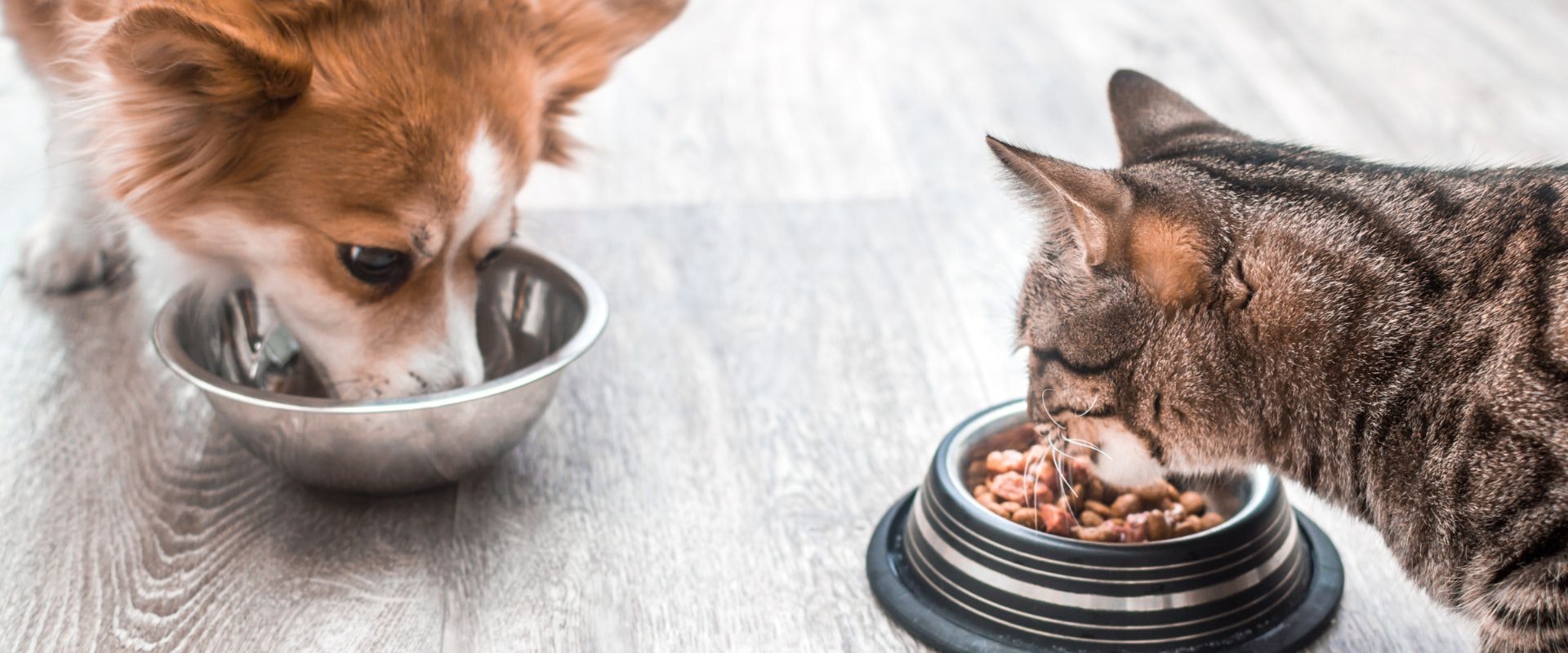
- Pets (dogs and cats): Provides eye health support through lutein, boosts skin and coat color, and strengthens the immune system.
Its antioxidant and anti-inflammatory effects are particularly useful in aging pets, helping delay age-related degeneration.
Sustainability and Safety
Marigold flower powder is a renewable, plant-based feed ingredient. It leaves no harmful residues in animal products and is fully biodegradable. Its natural composition supports eco-friendly and antibiotic-free farming practices, making it an excellent choice for modern sustainable agriculture.
Unlike synthetic additives, marigold powder is recognized as safe and non-toxic by international feed authorities when used at recommended levels.

Recommended Usage and Formulation
The optimal inclusion rate of marigold flower powder depends on species, diet composition, and desired effects:
- Poultry: 50–200 mg/kg of feed for pigmentation and antioxidant benefits.
- Fish and Shrimp: 100–400 mg/kg for color and immunity improvement.
- Swine and Ruminants: 50–150 mg/kg to enhance feed efficiency and oxidative stability.
Marigold powder can be added directly to feed or premixes and works synergistically with other natural additives such as yeast, probiotics, or herbal extracts.

Conclusion
Marigold flower powder is a versatile, natural, and effective feed additive that supports animal health, performance, and product quality. Its high content of lutein, zeaxanthin, and flavonoids offers multiple benefits - from boosting antioxidant defense and improving immunity to enhancing natural pigmentation and gut health.
As consumers and producers move toward cleaner, more sustainable animal nutrition, marigold flower powder stands out as a safe and environmentally friendly solution for improving both animal welfare and the economic value of animal products.
Whether used in poultry, aquaculture, livestock, or pet nutrition, marigold flower powder represents the perfect fusion of nature, science, and sustainability in modern feed formulation.
References
Surai, P.F. (2012). "Natural antioxidants in poultry nutrition: Marigold extract and its role in egg and meat quality." World's Poultry Science Journal, 68(3), 431–442.
Galobart, J., et al. (2004). "Influence of dietary supplementation with marigold extract on yolk color and lutein content in eggs." Poultry Science, 83(3), 352–362.
Fernández, I., et al. (2015). "Use of marigold flower extracts as a natural pigment and antioxidant in aquaculture." Aquaculture Research, 46(5), 1232–1241.
Liu, X., et al. (2020). "Effect of marigold extract on antioxidant status and immune function in broilers." Animal Feed Science and Technology, 268, 114587.
EFSA (European Food Safety Authority). (2018). "Safety and efficacy of lutein-rich marigold extract as a feed additive for all animal species." EFSA Journal, 16(8), e05304.
Nasir, Z., & Grashorn, M.A. (2010). "Use of natural pigments in poultry feed: Effect on egg yolk and broiler skin color." Journal of Applied Animal Research, 37(2), 185–191.
Dutta, A., et al. (2018). "Lutein and zeaxanthin from marigold: A natural solution for animal health and pigmentation." Journal of Animal Nutrition and Feed Technology, 18(1), 1–14.