In recent years, there has been a growing interest in using natural plant-based additives in animal nutrition to enhance health, performance, and product quality. Among the many botanicals used in feed supplementation, marigold flower powder (Tagetes erecta) stands out as a powerful natural ingredient rich in lutein and antioxidants. Traditionally used for its vibrant yellow-orange pigment, marigold is now recognized for its multifaceted benefits in animal feed - from improving immunity and growth to enhancing meat and egg quality.
This blog explores how marigold flower powder contributes to animal health and nutrition, its bioactive compounds, and its significance as a natural alternative to synthetic additives.
What is Marigold Flower Powder?
Marigold flower powder is derived from the dried petals of the Tagetes erecta plant, commonly known as African marigold. The petals are rich in carotenoids, particularly lutein and zeaxanthin, which are valuable natural pigments and antioxidants. These compounds are extracted or powdered to produce a fine yellow-orange supplement used widely in poultry, aquaculture, and pet nutrition.
In animal feed, marigold powder serves multiple functions:
- As a natural colorant: It enhances yolk color in eggs and skin pigmentation in poultry and fish.
- As a health booster: Its bioactive compounds help reduce oxidative stress and inflammation.
- As an immunity enhancer: It supports the animal's natural defense mechanisms.

Nutritional Composition and Active Compounds
The main nutritional components of marigold flower powder include:
- Lutein (xanthophyll carotenoid) – the primary pigment responsible for the characteristic yellow color and potent antioxidant properties.
- Zeaxanthin – another carotenoid synergistic with lutein for visual and cellular protection.
- Flavonoids and polyphenols – natural antioxidants that neutralize free radicals.
- Essential oils and saponins – which contribute to antimicrobial and anti-inflammatory effects.
Typically, marigold flower powder contains 10–15 mg of lutein per gram, depending on the extraction and drying method used. These compounds are fat-soluble, meaning they integrate easily into feed fats and oils, improving bioavailability in animals.

Antioxidant Role of Lutein in Animal Health
Oxidative stress is a major factor affecting animal health and productivity. Free radicals generated by metabolism, heat stress, or environmental toxins can damage cells and impair immune function.
Lutein, the key antioxidant in marigold powder, helps neutralize these reactive oxygen species. Studies have shown that supplementing animal diets with lutein improves:
- Liver health by reducing lipid peroxidation.
- Immune responses by increasing antioxidant enzyme activity (superoxide dismutase, catalase, glutathione peroxidase).
- Tissue integrity by protecting cell membranes from oxidative damage.

Benefits of Marigold Flower Powder in Poultry Nutrition
One of the most established uses of marigold flower powder is in poultry feed, where it provides both pigmentation and health benefits.
Enhanced Egg Yolk Color
Marigold powder is a natural and safe substitute for synthetic colorants like canthaxanthin. It gives yolks a rich golden color that consumers prefer. Studies indicate that adding 20–40 mg of lutein per kilogram of feed can produce a visually desirable yolk hue without affecting laying performance.
Improved Skin and Shank Pigmentation
In broilers, marigold carotenoids deposit in the skin and fat, giving poultry a healthy yellow tint that signifies freshness and quality.
Antioxidant and Immune Protection
Marigold flower powder improves antioxidant enzyme activity, reduces oxidative stress, and supports immune function in chickens. This leads to better feed efficiency, growth rates, and disease resistance.
Reproductive and Egg Quality Benefits
Supplementation helps maintain shell strength, albumen quality, and fertility rates in laying birds due to improved nutrient absorption and reduced oxidative stress.

Benefits for Aquaculture
Fish are also highly responsive to carotenoids in their diets. Marigold flower powder plays a critical role in aquaculture nutrition by:
- Enhancing skin and flesh coloration – especially in ornamental and salmonid species, where color is a key market trait.
- Improving stress tolerance and immunity – antioxidants like lutein help fish resist environmental stressors and infections.
- Supporting growth and feed efficiency – studies indicate improved weight gain and feed conversion ratios in fish supplemented with marigold extract.
- Reducing inflammation and oxidative stress – promoting overall fish welfare and survival rates.
For example, research by Chen et al. (2020) showed that lutein supplementation improved pigmentation and antioxidant activity in ornamental fish species without causing toxicity.

Benefits for Livestock and Pets
Although poultry and aquaculture are the primary markets, marigold flower powder is increasingly used in swine, cattle, and pet diets for its nutritional and functional advantages.
Livestock Applications
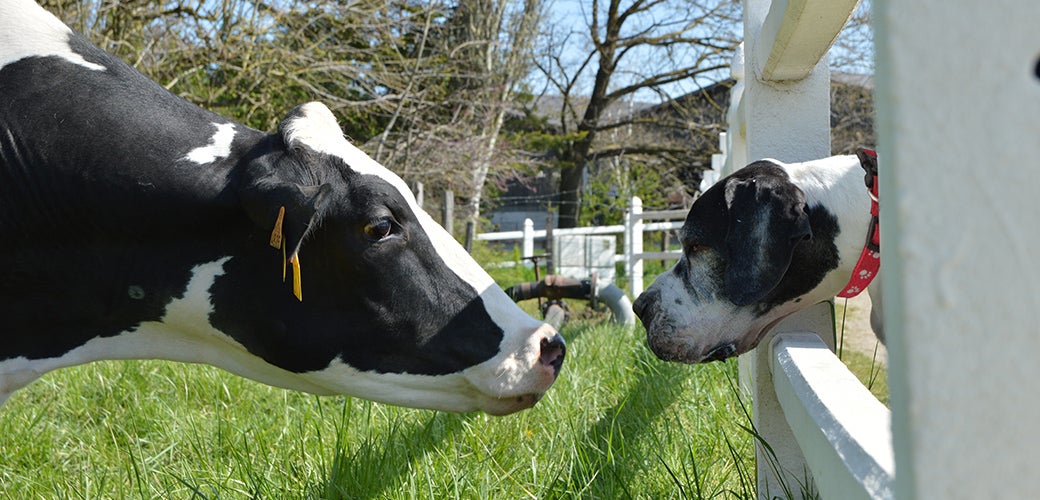
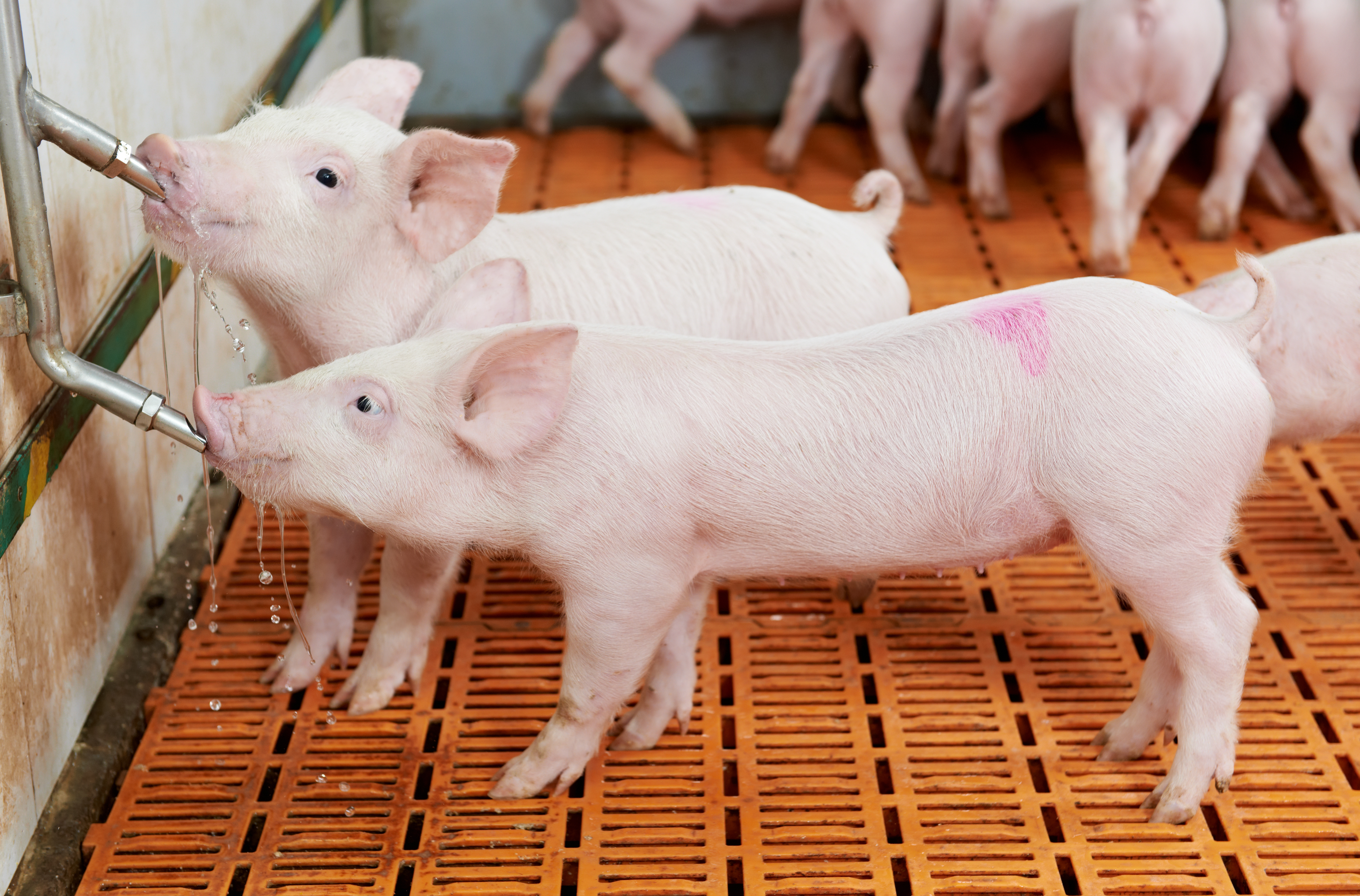
In pigs and cattle, lutein enhances meat quality by reducing lipid oxidation and improving fat color. It also supports immune resilience during stressful conditions such as weaning or transport.
Pet Nutrition
Dogs and cats benefit from marigold powder through improved eye health, skin condition, and immune support. Lutein and zeaxanthin protect the retina from oxidative damage, contributing to better vision and reduced risk of age-related eye disorders.
Sustainability and Natural Alternative to Synthetics
The growing preference for natural, plant-derived feed additives makes marigold flower powder an eco-friendly choice. Unlike synthetic pigments or chemical antioxidants, it is biodegradable, non-toxic, and compatible with organic farming practices.
Additionally, marigold cultivation can utilize agricultural by-products (e.g., petal residues from ornamental farming), supporting circular economy principles and sustainability goals in agriculture.
Recommended Usage and Safety
Marigold flower powder is typically added to feed at rates of:
- 10–50 mg/kg feed for poultry pigmentation
- 5–20 mg/kg feed for antioxidant benefits in livestock
- 1–5 mg/kg body weight for pets (dogs and cats)
It is considered safe with no known side effects when used at recommended dosages. However, excessive inclusion can lead to over-pigmentation or unbalanced carotenoid ratios.

Conclusion
Marigold flower powder is more than just a natural colorant - it's a powerful nutritional supplement that enhances animal health, immunity, and product quality. Rich in lutein and antioxidants, it plays a crucial role in protecting animals from oxidative stress, boosting their performance, and improving the visual appeal of animal products.
For farmers, feed manufacturers, and pet nutritionists seeking natural, sustainable alternatives to synthetic additives, marigold flower powder offers a proven and eco-friendly solution. Its multifunctional benefits - from pigmentation to antioxidant protection - make it an indispensable ingredient in modern, health-oriented animal nutrition.
References
Surai, P. F., Fisinin, V. I., & Karadas, F. (2019). Antioxidant systems in poultry biology: Nutritional modulation of vitamin E and carotenoids. World's Poultry Science Journal, 75(1), 27–45.
Chen, C., et al. (2020). Effects of dietary lutein supplementation on growth performance, pigmentation, and antioxidant status in ornamental fish. Aquaculture Reports, 17, 100320.
Kim, H. W., et al. (2016). Effects of lutein supplementation on visual function and antioxidant status in dogs. Veterinary Ophthalmology, 19(4), 380–389.
Nimalaratne, C., & Wu, J. (2015). Hen egg as an antioxidant food commodity: A review. Nutrients, 7(10), 8274–8293.
Rao, A. V., & Rao, L. G. (2007). Carotenoids and human health. Pharmacological Research, 55(3), 207–216.
Karadas, F., et al. (2016). The effect of natural carotenoid supplementation on egg yolk color and antioxidant capacity in laying hens. Journal of Applied Poultry Research, 25(2), 190–200.