In the ever-evolving world of aquaculture, finding innovative ways to enhance fish health and boost productivity is paramount. One such game-changing solution that has garnered significant attention is hydrolyzed fish protein. This powerful ingredient, derived from fish meal through an advanced hydrolysis process, offers a myriad of benefits for fish nutrition and overall aquaculture performance. In this comprehensive guide, we'll delve into the world of hydrolyzed fish protein, explore its advantages over traditional fish meal, and uncover how it can revolutionize your aquaculture operations.

Understanding Hydrolyzed Fish Protein: A Superior Alternative to Traditional Fish Meal
Hydrolyzed fish protein is a high-quality protein source created through the enzymatic breakdown of fish tissue. This process results in a product that's more digestible and bioavailable than conventional fish meal. The hydrolysis procedure breaks down complex proteins into smaller peptides and free amino acids, making it easier for fish to absorb and utilize these essential nutrients.
Unlike traditional fish meal, which can vary in quality and digestibility, hydrolyzed fish protein offers consistent nutritional value and superior digestibility. This enhanced digestibility translates to improved feed conversion ratios, reduced waste, and ultimately, more efficient and sustainable aquaculture practices.
The benefits of hydrolyzed fish protein extend beyond mere nutrition. Its unique properties make it an ideal ingredient for various stages of fish development, from larval rearing to broodstock management. By incorporating hydrolyzed fish protein into their feed formulations, aquaculturists can witness remarkable improvements in fish growth, health, and overall productivity.
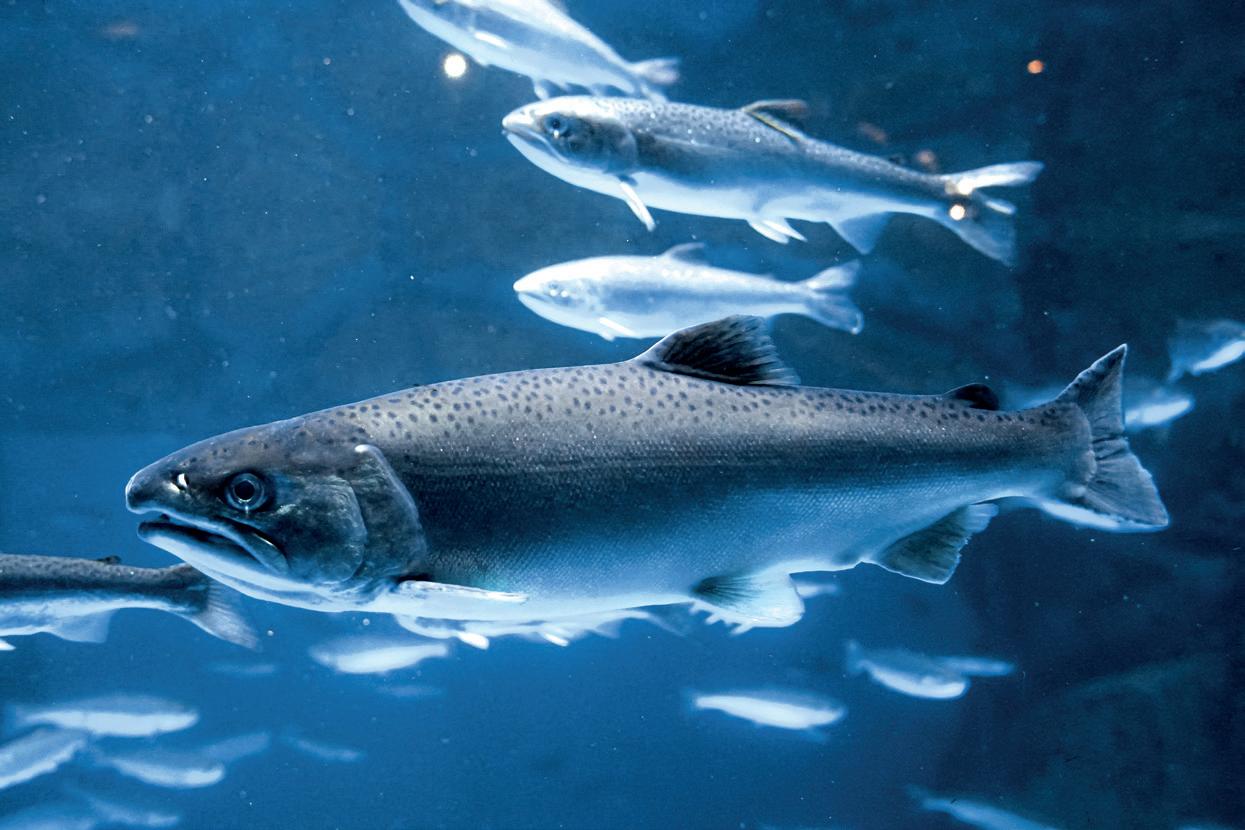
Unlocking the Potential: Key Benefits of Hydrolyzed Fish Protein in Aquaculture
The incorporation of hydrolyzed fish protein into aquafeed formulations offers a plethora of advantages that can significantly enhance fish health and productivity. Let's explore some of the key benefits:
- Enhanced Digestibility: The pre-digested nature of hydrolyzed fish protein allows for easier absorption by fish, leading to improved nutrient utilization and reduced waste production.
- Improved Growth Rates: The high bioavailability of essential amino acids in hydrolyzed fish protein promotes faster growth and more efficient muscle development in fish.
- Strengthened Immune System: The peptides present in hydrolyzed fish protein have been shown to boost fish immunity, making them more resistant to diseases and environmental stressors.
- Increased Survival Rates: Particularly beneficial for larval and juvenile stages, hydrolyzed fish protein can significantly improve survival rates during critical developmental periods.
- Better Feed Palatability: The unique flavor profile of hydrolyzed fish protein can enhance feed attractiveness, leading to increased feed intake and improved overall nutrition.
- Reduced Environmental Impact: By improving feed efficiency and reducing waste, hydrolyzed fish protein contributes to more sustainable aquaculture practices.
These benefits collectively contribute to healthier fish populations, increased productivity, and ultimately, a more profitable and sustainable aquaculture operation.
Implementing Hydrolyzed Fish Protein: Best Practices for Optimal Results
To fully harness the potential of hydrolyzed fish meal in your aquaculture operations, consider the following best practices:
- Proper Inclusion Rates: Work with nutrition experts to determine the optimal inclusion rates of hydrolyzed fish protein in your feed formulations. The ideal rate may vary depending on fish species, life stage, and specific nutritional requirements.
- Quality Sourcing: Ensure you're sourcing high-quality hydrolyzed fish protein from reputable suppliers. Look for products that undergo rigorous quality control measures and adhere to industry standards.
- Balanced Formulations: While hydrolyzed fish protein is an excellent protein source, it's essential to maintain a balanced diet. Combine it with other nutrient sources to create a comprehensive feed formulation that meets all the nutritional needs of your fish.
- Regular Monitoring: Implement a robust monitoring system to track the effects of hydrolyzed fish protein on your fish populations. Regularly assess growth rates, feed conversion ratios, and overall health indicators to gauge its effectiveness.
- Continuous Education: Stay informed about the latest research and developments in fish nutrition. Attend industry conferences, participate in webinars, and engage with experts to stay at the forefront of aquaculture nutrition practices.
By adhering to these best practices, you can maximize the benefits of hydrolyzed fish protein and elevate your aquaculture operations to new heights of productivity and sustainability.
Conclusion
Hydrolyzed fish protein represents a significant leap forward in aquaculture nutrition. Its superior digestibility, comprehensive nutritional profile, and myriad benefits make it an indispensable tool for fish farmers looking to optimize their operations. By incorporating this innovative ingredient into your feed formulations, you can enhance fish health, boost productivity, and contribute to more sustainable aquaculture practices.
As the aquaculture industry continues to evolve, staying ahead of the curve with cutting-edge nutritional solutions like hydrolyzed fish protein is crucial. Embrace this powerful ingredient and witness the transformation it can bring to your fish populations and overall aquaculture success.
For more information on hydrolyzed fish protein and other innovative aquaculture solutions, don't hesitate to reach out to our team of experts at info@hjagrifeed.com. We're here to support you in your journey towards more efficient, productive, and sustainable fish farming practices.
References
Chalamaiah, M., Dinesh Kumar, B., Hemalatha, R., & Jyothirmayi, T. (2012). Fish protein hydrolysates: Proximate composition, amino acid composition, antioxidant activities and applications: A review. Food Chemistry, 135(4), 3020-3038.
Khosravi, S., Bui, H. T. D., Rahimnejad, S., Herault, M., Fournier, V., Kim, S. S., ... & Lee, K. J. (2015). Dietary supplementation of marine protein hydrolysates in fish-meal based diets for red sea bream (Pagrus major) and olive flounder (Paralichthys olivaceus). Aquaculture, 435, 371-376.
Xu, H., Mu, Y., Zhang, Y., Li, J., Liang, M., Zheng, K., & Wei, Y. (2016). Graded levels of fish protein hydrolysate in high plant diets for turbot (Scophthalmus maximus): effects on growth performance and lipid accumulation. Aquaculture, 454, 140-147.
Bui, H. T. D., Khosravi, S., Fournier, V., Herault, M., & Lee, K. J. (2014). Growth performance, feed utilization, innate immunity, digestibility and disease resistance of juvenile red seabream (Pagrus major) fed diets supplemented with protein hydrolysates. Aquaculture, 418, 11-16.
Cahu, C. L., Zambonino Infante, J. L., Quazuguel, P., & Le Gall, M. M. (1999). Protein hydrolysate vs. fish meal in compound diets for 10-day old sea bass Dicentrarchus labrax larvae. Aquaculture, 171(1-2), 109-119.