Omega 3 Powder for Dogs: The Benefits and How to Choose the Right Supplement
As pet owners, we want the best for our furry friends, and this includes making sure they are getting all the nutrients they need to stay healthy and happy. Omega 3 fatty acids are essential nutrients that can have a big impact on your dog's overall health and well-being. Here, we'll explore the benefits of Omega 3 for dogs and how to choose the right Omega-3 powder supplement for your pet.
What are Omega 3 Fatty Acids
Omega 3 fatty acids are a type of polyunsaturated fat that our bodies and those of our pets need for good health. Unlike saturated fats, which can be harmful to our health, Omega 3 are considered essential fatty acids because our bodies can't produce them on their own and must get them from our diets. Omega-3 are found in a variety of foods, including fish, flaxseeds, and algae.

Benefits of Omega 3 for Dogs
Omega-3 fatty acids are essential nutrients that can have a big impact on your dog's overall health and well-being. By incorporating Omega-3s into your pet's diet, you can help support their joint health, skin and coat health, brain health, heart health, and eye health. When choosing an Omega-3 powder supplement for your dog, be sure to consider the quality, source, dosage, price, and ingredients to ensure
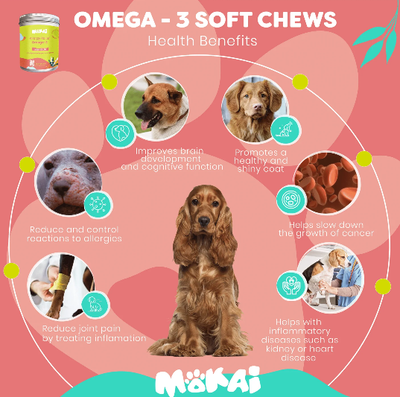
Omega 3 have a number of benefits for dogs, including:
- Joint Health: Omega 3 can help reduce inflammation in the joints, making them a great supplement for dogs with arthritis or joint pain.
- Skin and Coat Health: Omega 3 can help improve the health of your dog's skin and coat, making their fur soft, shiny, and less prone to itching and flaking.
- Brain Health: Omega 3 can help support brain health, which can be especially important for senior dogs.
- Heart Health: Omega 3 can help support heart health and reduce the risk of heart disease.
- Eye Health: Omega 3 can help support eye health and reduce the risk of eye problems, such as cataracts.
How to Choose Omega 3 Powder Supplement for Your Dog
One convenient way to add Omega 3 to your dog's diet is through the use of Omega-3 powder supplements. These supplements are typically made from fish oil and are available in a concentrated form, making it easy to add the recommended daily amount of Omega-3s to your dog's diet.
When choosing an Omega-3 powder supplement for your dog, it's important to consider the following factors:
- Quality: Look for a high-quality Omega-3 powder supplement that has been third-party tested and certified for purity and potency.
- Source: Look for a supplement that uses a sustainable source of Omega-3s, such as wild-caught fish.
- Dosage: The recommended daily dosage of Omega-3s for dogs can vary, so be sure to follow the manufacturer's recommended dosage.
- Price and Value: Omega-3 powder supplements can vary greatly in price, so look for a supplement that provides a good value for the price and fits within your budget.
- Ingredients: Check the ingredients list to make sure the supplement doesn't contain any potential allergens or ingredients that your dog may be sensitive to.
How much fish oil should I give my 20 lb dog
Canine Fish Oil Dosing Chart
| Dog weight (lbs) | Dog Weight (kg) | Recommended dose (mg) of combined EPA/DHA for osteoarthritis |
|---|---|---|
| 20 | 9.1 | 1623 |
| 25 | 11.4 | 1919 |
| 30 | 13.6 | 2200 |
| 35 | 15.9 | 2469 |
How much omega-3 for a 30 pound dog
Dosage table
| Dog weight (lbs) | Recommended Daily Dose (mg) of Combined EPA/DHA for dogs with skin issues* | # of pumps using Petsmont Wild Alaskan Salmon Oil Formula |
|---|---|---|
| 30 | 886 | 2.5 pumps |
| 35 | 994 | 3 pumps |
| 40 | 1099 | 3 pumps |
| 45 | 1200 | 3.5 pumps |
How much omega-3 for a 50 lb dog
A 50-lb dog would need about 2,000 mg (2 grams) of fish oil per day. The maximum dose for a 50-lb dog would be 3,200 mg/ day.
How much fish oil should I give my 60 pound dog
Below is the maximum daily dosage of fish oil for animals with osteoarthritis (310 mg/kg0.75 of EPA/DHA per day), intended for use by veterinarians.
Canine Fish Oil Dosing Chart.
| Dog weight (lbs) | Dog Weight (kg) | Recommended dose (mg) of combined EPA/DHA for osteoarthritis |
|---|---|---|
| 60 | 27.3 | 3700 |
| 65 | 29.5 | 3929 |
| 70 | 31.8 | 4153 |
| 75 | 34.1 | 4374 |
How do I add omega 3 to my dog's food
Tips for providing a healthy amount of omega-3s to a pet's diet: Whenever possible, choose natural sources, such as fish, flax seed oils or whole flax seeds, over supplements packaged in pills or capsules. Whenever possible, use fresh sources. Oils, especially the omega 3 fatty acids, can turn rancid quickly.
What are the symptoms of lack of omega 3 in dogs
Although there isn't a single symptom that points to an omega-3 deficiency in your dog, there are a few signs you should keep an eye out for. These are dull or dry coat, hair loss, obesity, eye problems, poor wound healing or muscle weakness.
Does omega-3 stop itching in dogs
Omega 3 for dogs and cats can provide pets with itchy skin relief. If you have an itchy pet, natural supplements with Omega 3 for dogs and cats can calm sensitive skin and help to reduce the itching and scratching. Omega 3 is an essential fatty acid that the body needs but cannot produce naturally.
How to feed omega 3 to dogs
1. Place required the number of fish oil capsules in a small ceramic bowl.
2. Add a small amount of very hot water to the bowl - just enough to half cover the capsules.
3. Use a fork or spoon to stir the capsules and gently squash them.

Is omega 3 the same as fish oil for dogs
Omega-3 fatty acids are the components of fish oil that make it beneficial to you and your dog. In the body, certain molecules called eicosanoids, play an important role in inflammation, and perform other beneficial functions. Omega-3 fatty acids help the body make more of these helpful eicosanoids.
Does omega 3 calm dogs
A new study by Dr. Ragen McGowan at the latest Purina Research Summit found that omega-3 fatty acids may be the key to reducing anxiety in dogs.
Does omega-3 work for dog allergies
Omega-3 fatty acids have a number of potential benefits in dogs and cats with allergic skin, such as reducing inflammation and improving the skin's general condition. When the skin is healthy, its natural barrier function against allergens (pollens, dust mites, molds) improves, minimizing the allergic reaction.
How much omega-3 for dogs skin allergies
EPA/DHA must be dosed at 180mg/10lb for allergic conditions.
It's always best to consult with a veterinarian before starting any new supplement regimen for your dog, especially if your pet has any underlying health conditions or is taking any medications. They can help you determine the best Omega 3 powder supplement for your pet's individual needs and health goals.
Add omega 3 powder bulk ingredient to your final product. Email: info@hjagrifeed.com
References:https://omegaquant.com/4-reasons-to-make-sure-your-dog-is-getting-enough-omega-3/#:~:text=And%20that%20includes%20omega%2D3s,short%20of%20this%20essential%20nutrient.
https://nativepet.com/blogs/health/can-i-give-my-dog-omega-3-for-humans
https://www.thesprucepets.com/giving-dog-fish-oil-for-humans-4846617
https://www.dutch.com/blogs/dogs/fish-oil-for-dogs
https://www.greatpetcare.com/dog-supplements/omega-3-for-dogs-benefits-and-supplements-to-try/