As pet owners and manufacturers seek safe and efficient means to promote animal well-being, pure glucose powder is now a standard pet food, treat, and supplement ingredient. Dextrose is another name commonly used for glucose powder, a simple sugar that supplies quick energy and aids in recovery from low blood sugar (hypoglycemia).
But is glucose powder safe for dogs and cats? What are its appropriate uses, how much should be given, and are there risks involved?
This article explores the safety, applications, dosage guidelines, and precautions for using pure glucose powder in both dogs and cats.

What Is Pure Glucose Powder?
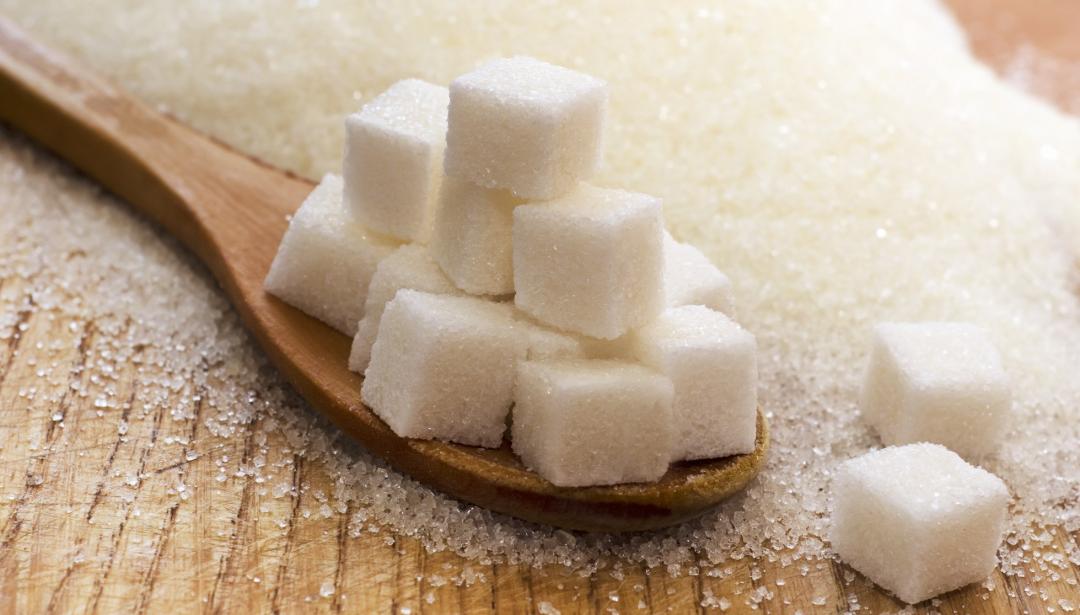
Glucose is a natural monosaccharide sugar, and it is the major source of energy for most animal cells. Pure glucose powder is:
- Water-soluble
- White or colorless in appearance
- Absorbed rapidly into the bloodstream
It is commonly used in:
- Pet food as an energy source
- Veterinary medicine to treat hypoglycemia
- Homemade diets and supplements to improve palatability or aid in recovery
Glucose differs from complex carbohydrates such as starch-it is already digested and ready for absorption.

Is Pure Glucose Powder Safe for Cats and Dogs?
Yes-if used correctly, pure glucose powder is safe for cats and dogs. Indeed, glucose is a required element of metabolism and is produced and maintained naturally by the liver. Nevertheless, excessive or misuse can cause negative impacts on health, especially in pets suffering from some diseases.
The safety-determining factors are:
- Correct dosage
- Health status of animal
- Use case (dietary, maintenance, or emergency)

Glucose Powder: Common Uses in Pets
1. Power Boost in Sick, Weak, or Recovering Pets
Glucose is best for:
- Sick or recovering pets after surgery or illness
- Puppies or kittens with weak appetite
- Old pets with low energy
It provides instant, easily digestible energy and prevents further physical weakening.
2. Hypoglycemia Treatment
In cases of emergencies, glucose powder can rapidly correct low blood sugar in:
- Diabetic cats and dogs
- Toy breed puppies (susceptible to hypoglycemia)
- Malnourished or fasting pets
It is usually administered orally or mixed with water to maintain glucose levels.
3. Pre- or Post-Exercise Supplement
Working and active dogs (such as sled dogs, agility competitors) can be helped with minute quantities of glucose for:
- Pre-exercise fuel
- Post-exercise recovery
- It averts fatigue and replenishes muscle glycogen after exercise.
4. Ingredient in Palatable Treats and Medications
Because it has a sweet taste, glucose powder is utilized to:
- Enhance medication taste
- Motivate eating in finicky pets
- Make functional treats more enticing

Recommended Dosage of Glucose Powder for Dogs and Cats
Glucose acts quickly, but must be used cautiously and by weight. Here's an approximation:
| Pet Type | Dosage (Oral Use) | Frequency |
|---|---|---|
| Small Dogs / Cats (2–10 kg) | 0.5–1 gram | Up to 2x per day |
| Medium Dogs (10–25 kg) | 1–3 grams | Up to 2x per day |
| Large Dogs (>25 kg) | 3–5 grams | Up to 2x per day |
| Hypoglycemia Emergency | 1–2 grams per 5 kg (rub on gums) | Once, monitor response |
Always consult your veterinarian first before giving glucose to diabetic pets or pets that already have health problems.

Precautions and Possible Side Effects
Glucose is usually safe, but misuse or excessive use can lead to issues:
Possible Risks:
- Obesity: Too much sugar can cause weight gain.
- Complications of diabetes:udden surges of blood sugar are harmful for diabetic pets.
- Dental complications: Sugar can lead to dental disease and plaque.
- Gastrointestinal distress: High doses can induce vomiting or diarrhea.
Use With Caution In:
- Diabetic animals
- Overweight pets
- Animals with pancreatitis
- Kidney or liver illness
If your pet appears weak or lethargic, don't attribute it to low blood sugar. Always consult a veterinarian before giving glucose-particularly in emergencies.

How to Use Glucose Powder in Pets
Glucose powder is simple to use in day-to-day life:
Oral Mix
Dissolve with water or broth:
- 1 gram per 50–100 ml water
- Use as a drink for hydration and energy
Emergency Use
Massage a small amount directly on:
- Gums or tongue for rapid absorption
- Repeat every 10–15 minutes if needed and no improvement
Treat Recipes
Add to:
- Homemade treat recipes (1–2% of total mix)
- Supplement formulas or electrolytes for palatability

Glucose Powder vs. Other Energy Supplements
| Supplement | Speed of Action | Main Use | Cost | Pet-Safe? |
|---|---|---|---|---|
| Glucose Powder | Very fast | Hypoglycemia, recovery | Low | Yes (in proper doses) |
| Corn Syrup | Fast | Hypoglycemia emergencies | Low | Yes |
| Honey | Fast | Natural sugar source | Medium | Yes (dogs only) |
| Electrolyte Mix | Moderate | Dehydration support | Medium | Yes |
Final Thoughts
Pure glucose powder is a safe and effective means for controlling particular health and energy requirements in dogs and cats-if properly used. It is useful for:
- Controlling hypoglycemia
- Aiding recovery
- Increasing energy levels
- Enhancing treat palatability
It is essential, however, like any supplement, to be used with proper dosing and intent. For diabetic, obese, or sensitive animals, always consult your veterinarian initially.
Whether you're formulating a supplement, treating a weak animal, or adding energy to a homemade recipe, pure glucose powder can be a valuable addition to your pet care toolkit.
References
de Andrade, A. M., et al. (2013). Glucose metabolism and its impact on canine hypoglycemia. Veterinary Research Communications.
De Lahunta, A., & Glass, E. N. (2009). Veterinary Neuroanatomy and Clinical Neurology, Saunders Elsevier.
Zoran, D. L. (2010). Nutritional management of small animal diabetes mellitus. Veterinary Clinics of North America: Small Animal Practice.