In modern animal nutrition, natural feed additives are gaining significant attention due to their potential to enhance animal health, digestion, and overall productivity. Rhubarb root powder is one such natural additive that has been traditionally used for its medicinal properties and is now finding its way into animal feed formulations. Rich in bioactive compounds, rhubarb root powder provides multiple health benefits for livestock, including improved digestion, antibacterial properties, and support for liver function. This article explores the advantages, applications, and scientific basis of using rhubarb root powder as a natural feed additive.

Understanding Rhubarb Root Powder
Rhubarb (Rheum officinale or Rheum palmatum) is a perennial plant that has long been used in traditional medicine, particularly in Chinese and Ayurvedic healing practices. The root of the plant is highly valued for its concentration of bioactive compounds, including anthraquinones, tannins, flavonoids, and polysaccharides. When processed into powder form, rhubarb root retains these beneficial compounds, making it a valuable natural supplement for livestock feed.
The preparation of rhubarb root powder involves the following steps:
Harvesting: Mature rhubarb roots are collected, ensuring optimal bioactive content.
Cleaning and Drying: The roots are thoroughly cleaned and dried under controlled conditions to retain their potency.
Grinding: The dried roots are finely ground into a powder, making them easy to incorporate into animal feed.
Quality Control: The final product undergoes testing to ensure purity, potency, and the absence of contaminants.

Health Benefits of Rhubarb Root Powder in Animal Feed
The incorporation of rhubarb root powder into livestock diets offers several key benefits:
Supports Digestive Health: Rhubarb root contains natural laxative properties due to its anthraquinone content, promoting smooth digestion and preventing constipation in animals.
Antibacterial and Antimicrobial Effects: The bioactive compounds in rhubarb root help inhibit harmful bacteria in the gut, reducing the risk of infections and improving overall gut health.
Liver Support and Detoxification: Rhubarb root is known for its ability to support liver function, aiding in detoxification and promoting better metabolism in livestock.
Anti-Inflammatory Properties: The flavonoids and tannins present in rhubarb root help reduce inflammation, benefiting animals suffering from digestive disorders or other inflammatory conditions.
Immune System Boost: Rich in antioxidants, rhubarb root helps strengthen the immune system, enhancing disease resistance in livestock.
Natural Growth Promoter: By improving digestion and nutrient absorption, rhubarb root powder supports healthy growth and weight gain in animals.
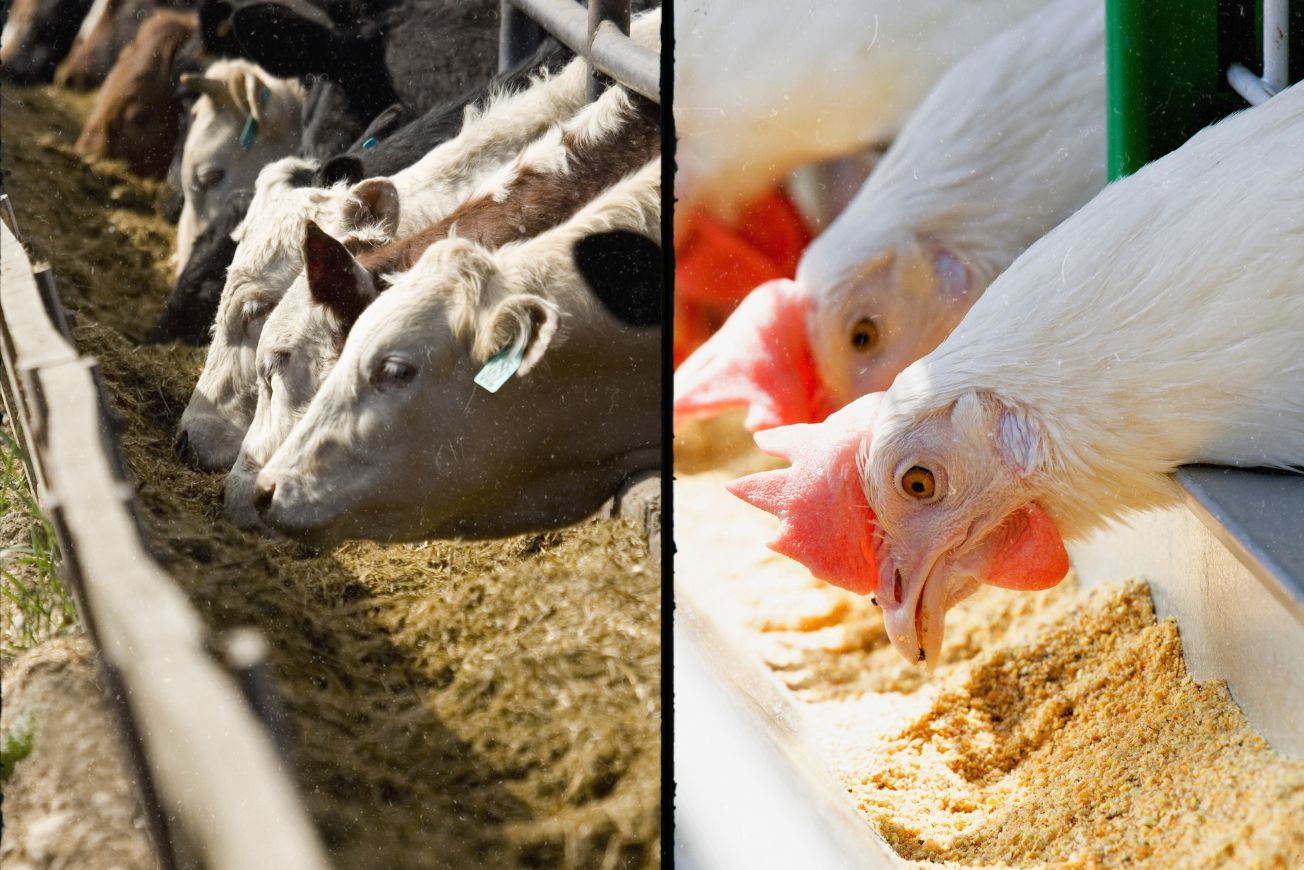
Applications of Rhubarb Root Powder in Livestock Feed
Rhubarb root powder is a versatile feed additive that can be used in various livestock species, including:
Poultry: Enhances gut health, prevents digestive blockages, and improves feed conversion efficiency.
Cattle and Dairy Animals: Supports liver function, promotes efficient digestion, and aids in detoxification.
Swine: Helps manage gut health, reduces pathogenic bacterial load, and supports better nutrient utilization.
Equine (Horses): Improves digestion, reduces inflammation, and supports liver health.
Sheep and Goats: Assists in maintaining a healthy digestive system and supports immune function.

How to Incorporate Rhubarb Root Powder in Animal Diets
Proper incorporation of rhubarb root powder in animal diets ensures maximum benefits:
Dosage Recommendations: The amount of rhubarb root powder used depends on the animal species and specific dietary needs. Consulting a veterinary nutritionist is recommended for precise dosages.
Feed Mixing: The powder can be blended with standard feed formulations to ensure uniform distribution.
Supplement Formulation: It can be used in combination with probiotics, prebiotics, and other herbal additives to enhance gut health and overall performance.
Pelletized Feeds: Rhubarb root powder can be included in pelleted or extruded feed formulations for easier consumption.

Safety and Sustainability of Rhubarb Root Powder
Rhubarb root powder is a natural, eco-friendly feed additive that reduces the reliance on synthetic growth promoters and antibiotics in livestock farming. When used in appropriate amounts, it is safe for long-term use, with minimal side effects. However, excessive doses should be avoided due to the strong laxative effects of rhubarb root's anthraquinones.
Ensuring high-quality rhubarb root powder from reputable suppliers is crucial to maintaining its effectiveness and safety. Proper storage in a cool, dry place helps preserve its bioactive compounds and extends its shelf life.
Conclusion
As the demand for natural and sustainable feed additives continues to rise, rhubarb root powder stands out as a promising solution for enhancing animal health and productivity. With its digestive, antibacterial, anti-inflammatory, and liver-supporting properties, this herbal supplement offers a natural way to improve livestock well-being. By incorporating rhubarb root powder into animal diets, farmers and animal nutritionists can promote healthier livestock while embracing sustainable and eco-friendly farming practices.
If you're looking to learn more about rhubarb root powder and its applications as a natural feed additive, don't hesitate to reach out to industry experts. For more information on sustainable animal nutrition solutions, including rhubarb root products, contact us at info@hjagrifeed.com. Our team of specialists is ready to help you optimize your livestock feed strategies with cutting-edge herbal solutions.
References
Tang, X., et al. (2019). "Phytochemical properties and pharmacological activities of rhubarb: A review." Journal of Ethnopharmacology, 236, 251-270.
Yu, C., et al. (2021). "Effects of Rhubarb Extract on Gut Microbiota and Metabolism in Livestock." Animal Nutrition Journal, 7(3), 150-162.
Xie, Y., et al. (2020). "The role of anthraquinones from rhubarb root in promoting digestion and gut health in poultry." Poultry Science Review, 99(6), 3231-3240.
Zhao, L., et al. (2022). "Herbal alternatives in animal feed: Rhubarb as a potential natural feed additive." Veterinary Herbal Medicine, 14(2), 101-117.