One of the best challenges currently confronting farmers is how to sustainably control pests without harming the health of plants, soil, animals, or the environment. Though effective, traditional chemical pesticides can potentially leave residues, lower soil quality, and make pest populations resistant. With sustainable and environmental agriculture becoming increasingly important, natural materials like tea saponin liquid are of high interest. Derived from the seeds of tea bush, Camellia spp., tea saponin is a naturally occurring substance which provides pest control benefit in an environment-friendly, safe manner.
- How Tea Saponin Liquid Works
- Why Tea Saponin Liquid Kills Pests
- How to Use Tea Saponin Liquid in Farming as a Natural Pest Control
What Is Tea Saponin Liquid?
Tea saponin is a natural surfactant of tea seed cake. In liquid processing, it is an easy bio-based product that serves as not only a pest repellent but also a plant growth stimulant for farming. Having a unique molecular structure, it kills certain pests that are harmful but is harmless to most crops, useful microorganisms, and soil.
Tea saponin liquid is of good use in organic farming, aquaculture, and animal feed, and hence proves to be versatile and ecologically friendly.
How Tea Saponin Liquid Gets Rid of Pests
The insecticide as well as the molluscicide quality of tea saponin is the reason behind its efficacy against pests. These are the main ways in which it works:
1. Interferes with Pest Membranes
Tea saponins are amphipathic surfactants that possess lipolytic activity to degrade lipid membranes in insects. When in contact with liquid tea saponin, cellular membranes of such as insects, snails, or nematodes are degraded, and they die from dehydration.
2. Repels and Deterrents
Even at reduced levels, tea saponin is a natural pesticide. It decreases the vulnerability of crops to insects, reducing the chance of infestation
3. Specific Target Action
Liquid tea saponin acts efficiently on soft-bodied pests such as:
- Snails and slugs
- Nematodes
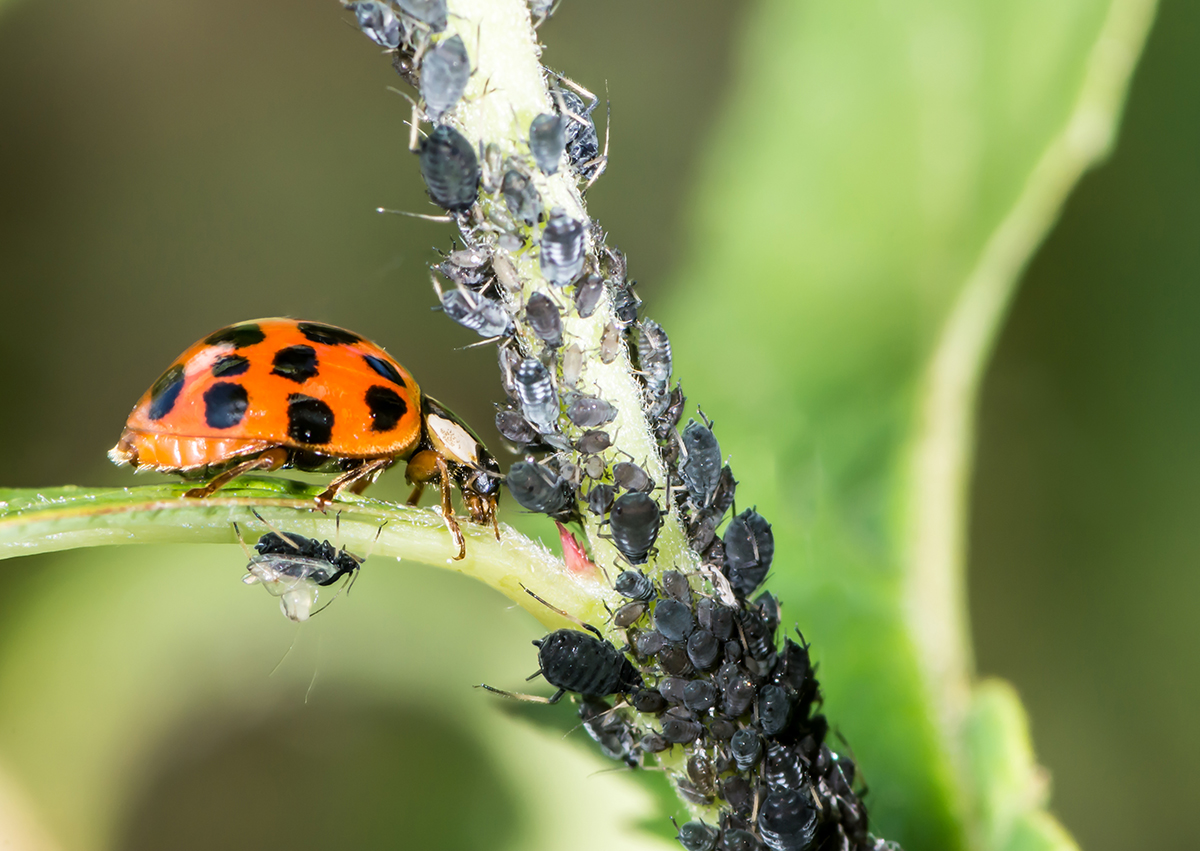
- Aphids
- Leafhoppers
4. Soil Health Benefits
Compared to artificial insecticides that could be toxic to soil microflora, tea saponin is worth more in the soil since it promotes microbial development. It will biodegrade on its own eventually without leaving any harmful residues
Benefits of Tea Saponin Liquid as an Insecticide
Being a pesticide in itself, the application of tea saponin liquid is advantageous to farmers and the environment in the following ways:
- Eco-Friendly and Biodegradable – It biodegrades readily without contaminating the water or soil.
- Safe for People and Animals – It is not a major health risk if used in the right manner, unlike harmful pesticides.
- Residue-Free – Crops treated with tea saponin are safe for human use, something critical in organic farming.
- Encourages Sustainable Agriculture – Encourages less frequent application of synthetic chemicals, something compatible with the goals of eco-agriculture.
- Dual Benefits – Not only is it a pest inhibitor, but it is also a soil conditioner and a promoter of enhanced nutrient absorption for plants.

Uses of Tea Saponin Liquid in Agriculture
Tea saponin liquid is extremely versatile and has multiple uses in different agricultural systems:
1. Crop Protection
Dilute tea saponin liquid is sprayed directly onto crops by farmers to deter aphids, whiteflies, and other sucking pests from plants.
2. Soil Treatment
It is also utilized to treat the soil to fight nematodes and inhibit pathogenic microorganisms, hence a proper pre-planting treatment .
3. Aquaculture
Tea saponin liquid is used to manage undesirable snails and fish parasites in aquaculture ponds devoid of shrimp and certain fish species mortality
4. Seed Treatment
Tea saponin pre-treats seeds before planting, thereby giving them natural protection against soil insects at germination.

Practical Guidelines for Farmers
For optimal performance, farmers need to follow proper usage guidelines:
- Dilution: Tea saponin liquid must be diluted before spraying to avoid plant stress.
- Timing: Spray early morning or late evening for best results.
- Frequency: Regular spraying during peak pest seasons maximizes long-lasting protection.
- Compatibility: It can be blended with other organic fertilizers and bio-pesticides in IPM.

Why Farmers Are Turning to Tea Saponin
As governments call for reduced chemical use of pesticides and consumers ask for safer food, farmers turn to more natural pest control methods. Tea saponin liquid is unique from the rest because it:
- Has natural, broad-spectrum insect kill
- Leaves no poisonous residues on crops
- Is cost-effective as opposed to repeated chemical use
- Enhances plant and soil health
It is the ideal solution for green plantations, organic farms, and aquaculture systems that wish to be sustainable.
Conclusion
Tea saponin liquid is not only a nature-based pesticide but a non-toxic, eco-friendly, and effective tool for future sustainable agriculture. Because it is lethal to nematodes, aphids, and snails but doesn't harm the soil and leaves no toxic residues, tea saponin gives farmers a certain way of reducing chemical inputs.
As agriculture gets greener, organic compounds like tea saponin will play a central role in pest management, increasing yields, and preserving the environment.
References
Chen, L., Ding, C., & Jiang, Y. (2011). Effect of tea saponin on soil properties and microbial communities. Applied Soil Ecology, 47(1), 28–34.
Huang, G., Li, Q., & Li, F. (2014). Application of tea saponin in aquaculture: effects on mollusks and fish parasites. Aquaculture Research, 45(6), 987–995.
Li, J., Zhang, L., & Wang, H. (2010). Biological activity of tea saponins against agricultural pests. Journal of Agricultural and Food Chemistry, 58(21), 11765–11772.
Shi, H., Li, J., & Wu, Q. (2013). Insecticidal properties of tea saponin and its mechanisms. Pest Management Science, 69(7), 871–878.
Wu, Y., Chen, J., & Xu, H. (2015). Eco-friendly pest control with tea saponin: effectiveness and safety evaluation. Crop Protection, 71, 52–59.
Zhang, Q., Yang, L., & Li, P. (2017). Use of tea saponin in sustainable agriculture: pest control and soil improvement. Sustainability, 9(5), 845.