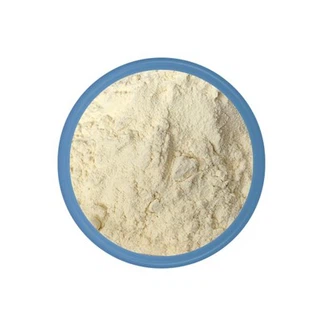
In sustainable agriculture and plant care, there's a natural guardian that has been gaining recognition for its potential to safeguard plants from pests and promote healthier growth: tea saponin. Derived from the seeds of the tea plant (Camellia sinensis), this eco-friendly compound offers numerous advantages for plant enthusiasts. In this blog, we'll explore the significance of tea saponin, its role as tea saponin pesticide, and its application as tea seed saponin, all while emphasizing its close relationship with plants.

What is Tea Saponin
Tea saponins, found in Camellia plants, are natural non-ionic surfactants that offer obvious beneficial effects in soil remediation. Most tea saponins are extracted from the Camellia oleifera seed meal, with the leaves and flowers of Camellia sinensis as potential sources. Water extraction and ultrasound-assisted water extraction combined with acetone precipitation are recommended for the industrial extraction and purification of tea saponins, considering multiple factors. The detailed physical, chemical and biochemical properties of tea saponins need to be clarified, especially whether tea saponins with slightly different structures from distinct sources have different soil remediation properties. Applied in leaching remediation, phytoremediation and microbial remediation, tea saponins desorb heavy metals from contaminated soil as well as enhancing their bioavailability.
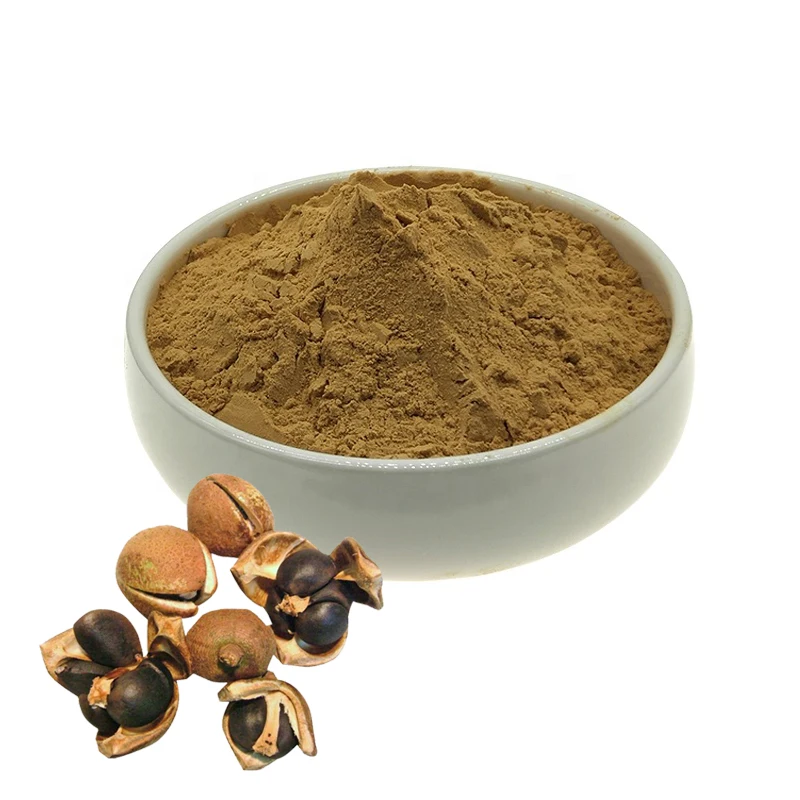
Tea Saponin Benefits
Tea saponin is a naturally occurring compound found in the seeds of tea plants. When used in plant care, it offers several benefits:
1. Pest Deterrent: Tea saponin acts as a natural insect repellent. When applied to plants, it creates a protective barrier on the leaves, deterring common garden pests like aphids, spider mites, and whiteflies.
2. Soil Health: When used as a soil conditioner, tea saponin can enhance soil structure and nutrient absorption. It improves water retention, increases beneficial microbial activity, and promotes healthier root development.
3. Reduced Stress: Tea saponin can help plants cope with stress factors such as extreme temperatures, drought, and environmental pollutants. It fortifies the plant's natural defenses, ensuring its vitality in adverse conditions.
4. Organic Fertilizer Compatibility: Tea saponin can be safely combined with organic fertilizers, making it an ideal choice for eco-conscious gardeners who prioritize sustainability.
5. Biodegradable: Unlike some synthetic chemicals, tea saponin is biodegradable and environmentally friendly. It poses minimal harm to beneficial insects and wildlife, ensuring the overall health of your garden ecosystem.

Natural Tea Saponin Pesticide
Tea saponin can also be used as a natural and non-toxic pesticide:
1. Safe for Beneficial Insects: Unlike chemical pesticides, tea saponin pesticide doesn't harm beneficial insects like ladybugs or bees. This allows the garden's ecosystem to thrive without disruption.
2. Low Toxicity: Tea saponin pesticide has low toxicity levels for humans and animals, making it a safer option for households with pets and children.
3. Pest Control: When tea saponin pesticide was used as a pesticide, it effectively controls a variety of garden pests. Its natural properties disrupt the insects' feeding and breeding habits, reducing infestations without resorting to harsh chemicals.
4. Residue-Free: Tea saponin pesticide leaves no harmful residues on fruits and vegetables, ensuring that your homegrown produce is safe to consume.

Tea Seed Saponin: A Plant-Friendly Solution
Tea seed saponin is closely related to tea saponin and shares many of its properties. It is extracted from the seeds of the tea plant, Camellia oleifera, and is used for similar purposes in gardening and agriculture. Both tea saponin and tea seed saponin offer a sustainable and eco-friendly approach to plant care and pest control.
Tea seed saponin, derived specifically from the seeds of the tea plant, offers unique advantages for plant care:
1. Natural Source: Tea seed saponin is obtained directly from the seeds of Camellia sinensis, ensuring its purity and efficacy.
2. Gentle Cleansing: In addition to pest control, tea seed saponin can be used as a gentle cleanser for plant leaves, removing dust and grime, and allowing them to breathe and photosynthesize more efficiently.
3. Biodegradability: Like tea saponin, tea seed saponin is biodegradable and environmentally responsible, making it a preferred choice for sustainable plant care.
Conclusion
Tea saponin and its derived form, tea seed saponin, are powerful allies for plant enthusiasts and farmers seeking eco-friendly and sustainable solutions for pest control and plant protection. Their natural properties make them effective, safe, and environmentally responsible choices for promoting healthier and thriving plants while minimizing harm to the ecosystem. By embracing these natural guardians, we can foster a greener and more sustainable future for plant care and agriculture.
Why Choose HJHERB Biotechnology?
HJHERB Biotechnology offers a wide range of products that are of high quality and value to a variety of industries, including the agricultural industry. is imperative in creating the highest quality feed products for animals and even aquaculture and industrial cleaning products. All of the products at HJHERB are produced in a facility that is certified in the AFIA’s Safe Feed/Safe Food Certification Program. Contact us by email: info@hjagrifeed.com