As the global demand for seafood continues to rise, the aquaculture industry faces increasing pressure to optimize fish nutrition while maintaining sustainable practices. In this quest for efficiency and quality, corn gluten meal has emerged as a valuable ingredient in fish feed formulations. This article delves into the multifaceted role of corn gluten meal in enhancing fish nutrition and revolutionizing aquaculture practices.
Understanding Corn Gluten Meal: Composition and Nutritional Profile
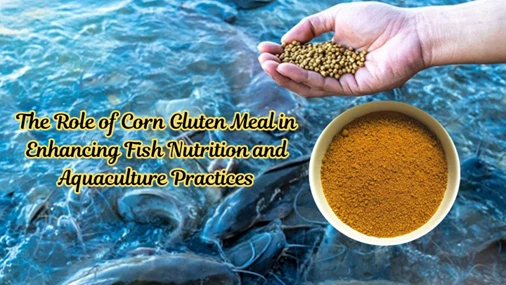
Corn gluten meal, a byproduct of corn wet-milling, is a protein-rich bolster fixing that has earned noteworthy consideration in the aquaculture division. This golden-yellow powder boasts a protein substance extending from 60% to 70%, making it a strong alternative to conventional protein sources in fish diets.
The nutritional profile of corn gluten meal extends beyond its high protein content. It contains essential amino acids crucial for fish growth and development, including methionine, cystine, and leucine. While it's relatively low in lysine, this can be easily addressed through diet supplementation or by combining corn gluten meal with other protein sources.
Also, corn gluten meal is rich in xanthophylls, especially zeaxanthin. These carotenoid shades contribute to improved coloration in fish, which is especially alluring in fancy fish species. The nearness of these colors can also improve the visual offer of cultivated angle fillets, possibly expanding their showcase esteem.
Another noteworthy aspect of corn gluten meal is its low fiber content. This characteristic makes it highly digestible for fish, allowing for efficient nutrient absorption and utilization. The low fiber content also contributes to reduced waste output, which is beneficial for maintaining water quality in aquaculture systems.

Corn Gluten Meal's Impact on Fish Growth and Performance
The inclusion of corn gluten meal in fish diets has shown promising results in terms of growth performance and feed efficiency across various species. Research has demonstrated that corn gluten meal can partially replace fishmeal, the traditional protein source in aquaculture feeds, without compromising fish growth or health.
In studies conducted on tilapia, one of the most broadly cultivated fish species globally, corn gluten meal has been effectively used to supplant up to 40% of dietary protein without antagonistic impacts on development rate or bolster transformation proportion. Comparative positive results have been watched in other financially critical species such as rainbow trout, Atlantic salmon, and sea bream.
The high digestibility of corn gluten meal contributes significantly to its efficacy in promoting fish growth.
As fish can efficiently utilize the nutrients provided by corn gluten meal, less feed is required to achieve optimal growth rates. This improved feed efficiency not only reduces feed costs but also minimizes nutrient loading in aquaculture systems, contributing to more sustainable practices.
In addition, the amino acid profile of corn gluten supper, while not idealized, complements well with other plant-based proteins. When utilized in combination with soybean supper or other plant protein sources, corn gluten meal can help make a more adjusted amino corrosive profile in fish diets, assist in improving development performance, and bolster utilization.
1. High-Protein Feed Ingredient
Corn gluten meal typically contains 60–70% crude protein, providing a concentrated source of plant-based protein for:
- Poultry feed
- Swine diets
- Aquaculture feed
- Pet food formulations
Its protein content supports muscle development, growth, and overall animal performance.
2. Rich in Essential Amino Acids
CGM is particularly high in:
- Leucine
- Isoleucine
- Valine
These branched-chain amino acids help promote growth, improve feed efficiency, and support immune function in animals.
However, CGM is relatively low in lysine and tryptophan, so it is often combined with other protein sources to balance the diet.
3. Enhances Digestibility and Feed Efficiency
Corn gluten meal is highly digestible, meaning:
- Animals absorb more nutrients
- Feed conversion ratios improve
- Growth rates increase
Its digestibility makes it especially suitable for young animals and high-performance livestock.
4. Supports Poultry and Livestock Health
Including CGM in feed contributes to:
- Stronger feathers in poultry
- Healthy coat and skin in livestock
- Improved nitrogen utilization
- Reduced reliance on animal protein meals
It is a cost-effective alternative to fishmeal or soybean meal while maintaining nutritional quality.
5. Sustainable and Economical
As a by-product of corn processing, CGM is:
- Environmentally sustainable
- Affordable compared to many animal protein sources
- Compatible with large-scale feed formulations
It allows feed producers to formulate high-protein diets while controlling costs.
6. Applications in Animal Nutrition
- Poultry Feed: Promotes growth and egg production; supports feather development.
- Swine Feed: Improves protein intake, supports muscle growth, and feed efficiency.
- Aquaculture Feed: Enhances growth in fish and shrimp; improves feed palatability.
- Pet Food: Provides plant-based protein for dogs and cats, suitable for grain-inclusive or grain-free formulations.
Environmental and Economic Implications of Using Corn Gluten Meal in Aquaculture
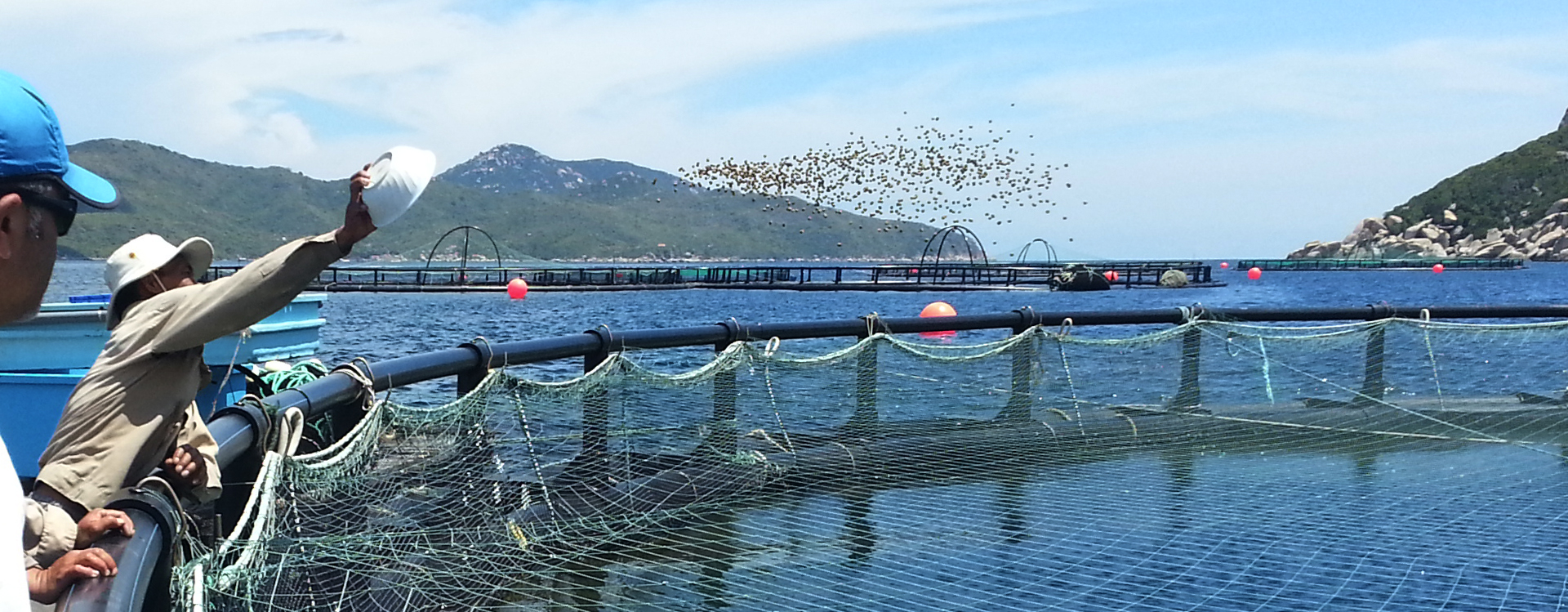
The incorporation of corn gluten meal in aquaculture feeds has far-reaching implications beyond fish nutrition. From an environmental perspective, the use of this plant-based protein source aligns well with the growing emphasis on sustainable aquaculture practices.
By partially supplanting fishmeal with corn gluten feast, aquaculture operations can diminish their dependence on wild-caught fish for bolster generation.
This move helps lighten weight on marine environments and contributes to the preservation of wild fish populations. The diminished request for fishmeal also has the potential to relieve a few of the environmental concerns related to fishmeal generation, such as overfishing and environmental pulverization.
Besides, the generation of corn gluten meal has a lower carbon impression compared to fishmeal generation. As the aquaculture industry endeavors to decrease its environmental impact, the appropriation of bolster fixings with lower carbon emissions becomes progressively vital. The use of corn gluten meal thus speaks to a step towards more ecologically mindful aquaculture practices.
From an economic standpoint, corn gluten meal offers several advantages. As a byproduct of corn processing, it is generally more cost-effective than fishmeal, which has seen significant price volatility in recent years. The lower cost of corn gluten meal can help aquaculture operations reduce their feed expenses, which typically account for a substantial portion of production costs.
Moreover, the use of corn gluten meal can contribute to the development of more resilient and sustainable aquaculture supply chains. By diversifying protein sources and reducing dependence on marine-derived ingredients, the industry becomes less vulnerable to fluctuations in fishmeal availability and pricing.
It's important to note, however, that the economic benefits of using corn gluten meal can vary depending on factors such as local availability, transportation costs, and market conditions. Aquaculture operators should conduct thorough cost-benefit analyses to determine the optimal inclusion levels of corn gluten meal in their specific contexts.

Conclusion
In conclusion, corn gluten meal plays a pivotal role in enhancing fish nutrition and advancing sustainable aquaculture practices. Its high protein content, favorable amino acid profile, and excellent digestibility make it a valuable ingredient in fish feed formulations. By promoting efficient growth, reducing environmental impact, and offering economic benefits, corn gluten meal is helping to shape the future of aquaculture.
As research continues to refine our understanding of corn gluten meal's applications in aquaculture, we can expect to see even more innovative uses of this versatile ingredient. The ongoing exploration of optimal inclusion levels, species-specific formulations, and synergistic combinations with other feed ingredients will further unlock the potential of corn gluten meal in supporting sustainable and productive aquaculture practices.
For more information about corn gluten meal and other natural ingredients for animal nutrition, please contact us at info@hjagrifeed.com. Our team of experts is ready to assist you in optimizing your aquaculture feed formulations and enhancing your production practices.
References
Hardy, R. W. (2010). Utilization of plant proteins in fish diets: effects of global demand and supplies of fishmeal. Aquaculture Research, 41(5), 770-776.
Gatlin III, D. M., Barrows, F. T., Brown, P., Dabrowski, K., Gaylord, T. G., Hardy, R. W., ... & Overturf, K. (2007). Expanding the utilization of sustainable plant products in aquafeeds: a review. Aquaculture Research, 38(6), 551-579.
Yadav, M. K., & Kumar, S. (2019). Corn gluten meal in aquaculture nutrition: A review. Reviews in Aquaculture, 11(4), 1288-1301.
Regost, C., Arzel, J., & Kaushik, S. J. (1999). Partial or total replacement of fish meal by corn gluten meal in diet for turbot (Psetta maxima). Aquaculture, 180(1-2), 99-117.
Naylor, R. L., Hardy, R. W., Bureau, D. P., Chiu, A., Elliott, M., Farrell, A. P., ... & Nichols, P. D. (2009). Feeding aquaculture in an era of finite resources. Proceedings of the National Academy of Sciences, 106(36), 15103-15110.