In the ever-evolving world of aquaculture, the quest for economical and proficient fish feed continues to be a great need. As the worldwide request for seafood rises, so does the requirement for imaginative arrangements to bolster sound fish populations in aquaculture settings. One such arrangement that has picked up critical consideration in recent years is hydrolyzed fish protein. This nutrient-rich fixing is revolutionizing the way we approach fish sustenance, advertising a host of benefits that contribute to the overall wellbeing and development of cultivated fish species.

Hydrolyzed Fish Protein: A Nutritional Powerhouse
Hydrolyzed fish protein is a profoundly edible shape of protein obtained through the enzymatic breakdown of fish meal. This handle, known as hydrolysis, breaks down complex protein atoms into littler peptides and free amino acids, making them more promptly accessible for assimilation by fish. The result is a nutrient-dense fixing that offers a few preferences over conventional fish meal.
One of the key benefits of hydrolyzed fish protein is its prevalent digestibility. The pre-digested nature of the protein permits fish to retain and utilize supplements more proficiently, driving to progressed development rates and bolstered transformation proportions. This is especially useful for youthful fish and hatchlings, whose digestive frameworks are still creating and may battle to break down larger protein molecules.
Besides, hydrolyzed fish protein boasts a noteworthy amino acid profile, closely coordinating the dietary necessities of different fish species. Fundamental amino acids, such as lysine, methionine, and taurine, are shown in ideal extents, supporting basic physiological capacities and advancing overall fish wellbeing.
The production of hydrolyzed fish protein involves a meticulous process that ensures the preservation of valuable nutrients while enhancing their bioavailability. High-quality fish meal, often sourced from sustainable fisheries, serves as the starting material. The fish meal undergoes controlled enzymatic hydrolysis, where specific enzymes break down the protein structures. This process is carefully monitored to achieve the desired degree of hydrolysis, resulting in a product with optimal nutritional characteristics.
One of the preferences of hydrolyzed fish protein over conventional fish meal is its diminished antinutritional components. The hydrolysis handle helps to neutralize or dispense with compounds that may meddle with supplement assimilation, such as protease inhibitors and lectins. This encourages upgrades to the wholesome esteem of the fixing and contributes to progressed fish wellbeing and execution.

Enhancing Fish Health and Growth Through Hydrolyzed Fish Protein Supplementation
The consolidation of hydrolyzed fish protein into aquaculture bolsters the details of exceptional results in advancing fish well-being and development. Various studies have illustrated the positive impact of this fixing on different aspects of fish physiology and improvement.
One of the most notable benefits of hydrolyzed fish protein is its ability to enhance immune function in fish. The highly digestible peptides and free amino acids present in hydrolyzed fish protein serve as building blocks for the synthesis of immunoglobulins and other immune-related proteins. This bolstered immune system helps fish better resist diseases and cope with environmental stressors, ultimately leading to healthier populations and reduced mortality rates.
Furthermore, hydrolyzed fish protein has been shown to improve gut health in aquaculture species. The easily absorbed peptides and amino acids provide nourishment to the intestinal cells, promoting the development of a healthy gut microbiome. A well-functioning digestive system not only enhances nutrient absorption but also acts as a barrier against potential pathogens, further contributing to overall fish health.
The growth-promoting effects of hydrolyzed fish protein are equally impressive. Studies have consistently shown that fish fed diets supplemented with hydrolyzed fish protein exhibit faster growth rates and improved feed conversion ratios compared to those fed conventional diets. This accelerated growth is attributed to the high bioavailability of nutrients and the optimal amino acid profile provided by hydrolyzed fish protein.
In addition to its direct nutritional benefits, hydrolyzed fish meal also serves as an excellent attractant and palatability enhancer. The free amino acids and small peptides present in the hydrolysate stimulate the olfactory and gustatory receptors of fish, increasing feed acceptance and consumption. This is particularly valuable in the early stages of fish development or when introducing new feed formulations.
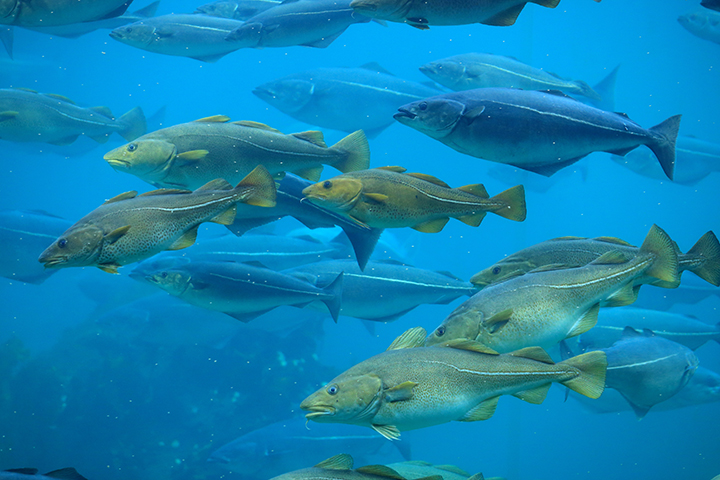
Sustainable Aquaculture: The Role of Hydrolyzed Fish Protein in Reducing Environmental Impact
As the aquaculture industry continues to grow, the need for sustainable feed ingredients becomes increasingly crucial. Hydrolyzed fish protein offers several advantages in this regard, aligning with the principles of responsible and environmentally conscious fish farming.
One of the primary environmental concerns in aquaculture is the reliance on wild-caught fish for feed production. Traditional fish meal, while nutritionally valuable, often requires large quantities of wild fish, putting pressure on marine ecosystems. Hydrolyzed fish protein, on the other hand, can be produced using a variety of fish byproducts and trimmings that would otherwise go to waste. This upcycling approach not only maximizes the utilization of available resources but also reduces the demand for wild-caught fish specifically for feed production.
The improved digestibility of hydrolyzed fish protein also contributes to reduced environmental impact. Higher nutrient absorption rates mean that fish excrete less waste, leading to improved water quality in aquaculture systems. This, in turn, reduces the need for frequent water exchanges and minimizes the potential for nutrient pollution in surrounding ecosystems.
Furthermore, the enhanced feed efficiency associated with hydrolyzed fish protein translates to a lower feed conversion ratio. This means that less feed is required to produce the same amount of fish biomass, reducing the overall resource input and environmental footprint of aquaculture operations.
The production process of hydrolyzed fish protein itself can be optimized for sustainability. Advanced technologies and enzymatic methods allow for efficient protein recovery from fish byproducts, minimizing energy consumption and waste generation. Some manufacturers are also exploring the use of renewable energy sources in their production facilities, further reducing the carbon footprint of hydrolyzed fish protein production.

Conclusion
The role of hydrolyzed fish protein in supporting healthy fish populations in aquaculture cannot be overstated. From its superior nutritional profile and enhanced digestibility to its positive impacts on fish health, growth, and environmental sustainability, this innovative ingredient is reshaping the landscape of aquaculture nutrition.
To learn more about hydrolyzed fish protein and its applications in aquaculture, or to explore other innovative natural ingredients for animal nutrition, please contact us at info@hjagrifeed.com. Our team of experts is ready to assist you in optimizing your aquaculture feed formulations for maximum performance and sustainability.
References
Chalamaiah, M., Dinesh Kumar, B., Hemalatha, R., & Jyothirmayi, T. (2012). Fish protein hydrolysates: Proximate composition, amino acid composition, antioxidant activities and applications: A review. Food Chemistry, 135(4), 3020-3038.
Khosravi, S., Bui, H. T. D., Rahimnejad, S., Herault, M., Fournier, V., Kim, S. S., ... & Lee, K. J. (2015). Dietary supplementation of marine protein hydrolysates in fish-meal based diets for red sea bream (Pagrus major) and olive flounder (Paralichthys olivaceus). Aquaculture, 435, 371-376.
Ospina-Salazar, G. H., Ríos-Durán, M. G., Toledo-Cuevas, E. M., & Martínez-Palacios, C. A. (2016). The effects of fish hydrolysate and soy protein isolate on the growth performance, body composition and digestibility of juvenile pike silverside, Chirostoma estor. Aquaculture Nutrition, 22(5), 1016-1023.
Kolkovski, S., Czesny, S., & Dabrowski, K. (2000). Use of krill hydrolysate as a feed attractant for fish larvae and juveniles. Journal of the World Aquaculture Society, 31(1), 81-88.
Refstie, S., Olli, J. J., & Standal, H. (2004). Feed intake, growth, and protein utilisation by post-smolt Atlantic salmon (Salmo salar) in response to graded levels of fish protein hydrolysate in the diet. Aquaculture, 239(1-4), 331-349.