


Livestock farming has changed a lot over the years. Today, farmers and feed manufacturers are not just focused on getting animals to grow fast. The real goal is to help animals grow healthier, stronger, and more efficiently while keeping feed costs under control and meeting consumer demands for safe, sustainable food.
One ingredient that is quietly gaining attention in modern livestock nutrition is policosanol, especially its active component triacontanol. Once mainly known for its use in plant growth and human health products, policosanol is now being explored as a valuable functional ingredient in modern livestock feed.
So, what role does it really play, and why does it matter?
How Livestock Nutrition Is Evolving
In the past, animal feed was mostly about providing basic nutrients-energy, protein, fiber, vitamins, and minerals. That approach kept animals alive and productive, but modern farming requires more.
Today's feed programs aim to:
- Improve feed efficiency
- Support animal health
- Reduce reliance on antibiotics
- Increase productivity in a natural way
- Improve sustainability
This shift has created a strong demand for functional feed ingredients that help animals use nutrients better rather than simply eat more.
That's where policosanol comes in.

What Is Policosanol (Triacontanol)?
Policosanol is a natural mixture of long-chain fatty alcohols extracted from plant waxes, such as sugarcane wax and rice bran wax. Among these compounds, triacontanol is considered the most active.
Instead of acting like a hormone or stimulant, policosanol works gently by supporting the animal's natural metabolism. It helps animals make better use of the nutrients already in their diet, which leads to better performance without stressing the body.
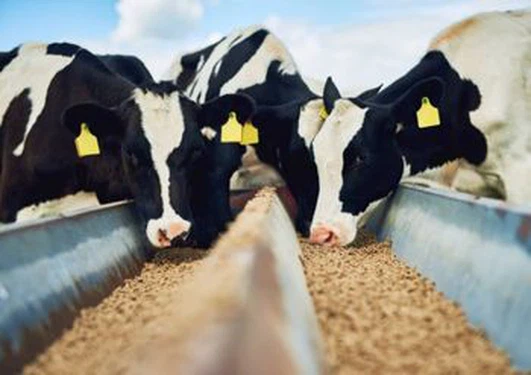
Supporting Feed Efficiency
Feed costs are one of the biggest expenses in livestock farming. When animals can convert feed into growth, milk, or eggs more efficiently, farmers save money and improve profitability.
Policosanol helps support feed efficiency by:
- Improving energy use at the cellular level
- Supporting balanced nutrient metabolism
- Reducing waste of valuable nutrients
This means animals can achieve better results without needing more feed.

Helping Animals Use Energy More Effectively
Energy is essential for growth, reproduction, and daily activity. When energy is not used efficiently, animals may grow slowly, lose condition, or struggle with production demands.
Policosanol supports healthier energy metabolism, helping animals:
- Maintain steady growth
- Stay in good body condition
- Perform better under production stress
This is especially important for dairy cows, fast-growing poultry, and finishing livestock.

Supporting Healthy, Balanced Growth
Modern livestock nutrition is not just about speed. It's about quality growth.
Policosanol helps promote:
- Lean muscle development
- Stable body weight
- Reduced metabolic stress
Instead of pushing animals too hard, it supports natural, balanced growth that leads to better long-term performance and animal welfare.
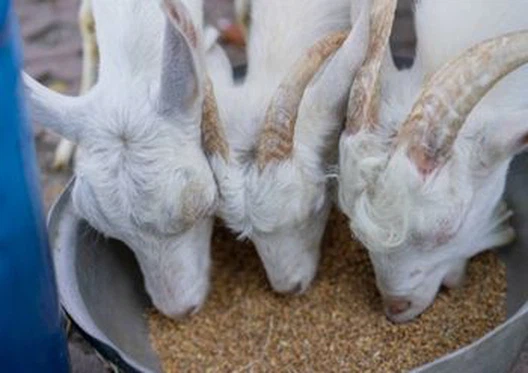
Benefits for Different Livestock Species
Cattle
In beef cattle, policosanol supports efficient weight gain and muscle development.
In dairy cows, it helps maintain energy balance and body condition during milk production.
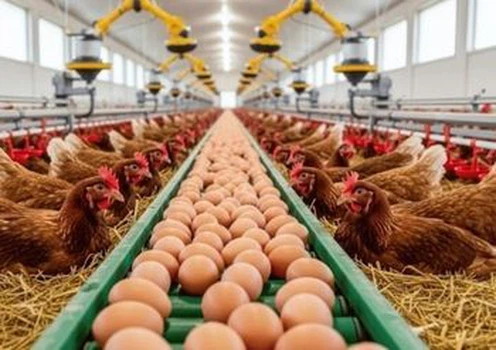
Poultry
Policosanol supports better feed conversion, steady growth, and more uniform flock performance.
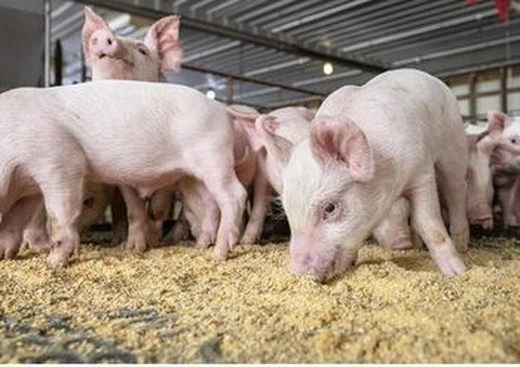
Swine
It helps pigs use feed more efficiently, leading to consistent growth and better production results.

A Natural Alternative to Synthetic Additives
Many traditional growth promoters raise concerns about antibiotic resistance, residues, and consumer trust. Policosanol offers a natural option because it:
- Comes from plant sources
- Works with the body's natural processes
- Does not rely on antibiotics or hormones
This makes it suitable for modern, clean-label, and antibiotic-reduction feed programs.
Supporting Sustainable Farming
Better feed efficiency means:
- Less feed waste
- Lower resource use
- Reduced environmental impact
By helping animals use nutrients more effectively, policosanol supports more sustainable livestock production.
Safe for Long-Term Use
Policosanol has a good safety profile because it is:
- Plant-based
- Gentle in action
- Suitable for long-term feeding
It does not affect feed taste or animal behavior, making it easy to include in regular feed programs.
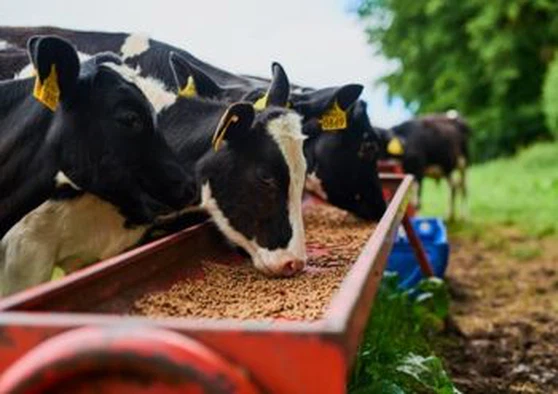
How Policosanol Fits into Modern Feed Formulations
Policosanol can be used in:
- Starter feeds
- Grower and finisher diets
- Dairy and beef rations
- Breeding and maintenance feeds
It works alongside proteins, grains, vitamins, and minerals without changing feeding routines.
At HJ AGRIFEED, policosanol is viewed as a modern functional ingredient that supports efficiency, animal health, and sustainable livestock production.
Final Thoughts
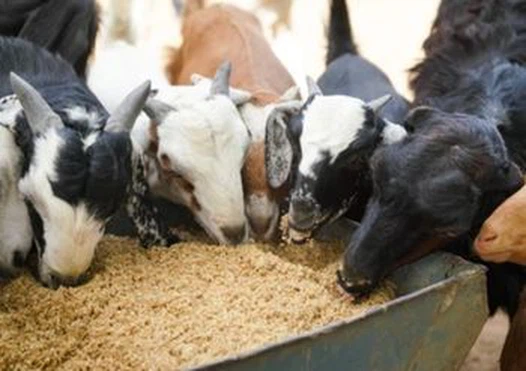
The role of policosanol (triacontanol) in modern livestock feed is all about working smarter, not harder.
By supporting better energy use, improved feed efficiency, and balanced growth, policosanol helps animals perform well naturally. As the livestock industry continues to move toward sustainable, responsible, and efficient nutrition strategies, this plant-based ingredient is becoming an important part of the future of animal feeding.


