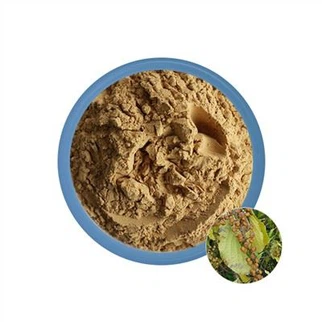
In the ever-evolving world of animal nutrition, feed additives play a crucial role in optimizing animal health, performance, and productivity. Among these additives, tea seed meal has emerged as a promising natural ingredient with multifaceted benefits. This article delves into the nuances of tea seed meal, exploring its composition, applications, and the scientific evidence supporting its use in animal feed.

Grasping Tea Seed Meal: Composition and Nutritional Profile
Tea seed meal, inferred from the seeds of Camellia sinensis, is a byproduct of tea oil extraction. This nutrient-dense substance boasts a noteworthy dietary profile, making it an important expansion to creature bolster definitions. The feast contains high levels of protein, extending from 20% to 26%, and is rich in fundamental amino acids such as lysine, methionine, and threonine. These amino acids are imperative for different physiological functions, including development, muscle advancement, and resistant system support.
Beyond its protein substance, tea seed dinner is also a source of advantageous lipids, especially unsaturated fatty acids like oleic and linoleic acids. These fatty acids contribute to vitality arrangement and play parts in cellular film astuteness and hormone synthesis. Moreover, the meal contains noteworthy amounts of minerals, counting calcium, phosphorus, and iron, which are fundamental for bone wellbeing, vitality metabolism, and oxygen transport in animals.
One of the most intriguing components of tea seed meal is its saponin substance. Saponins are normally occurring plant compounds with a wide range of biological activities. In tea seed feast, these saponins have been shown to have antimicrobial, anti-inflammatory, and antioxidant properties, which can contribute to improved intestinal health and overall animal well-being.
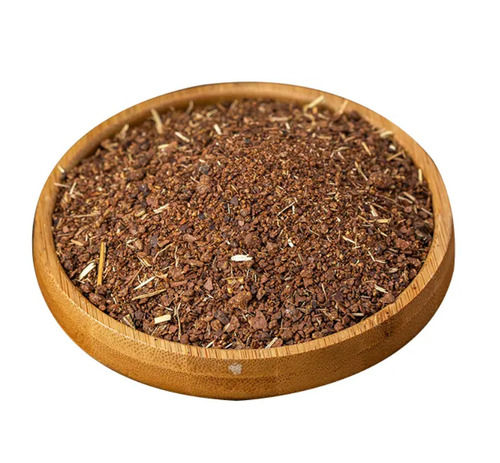
Enhancing Animal Performance: The Multifaceted Benefits of Tea Seed Meal
The joining of tea seed meal into animal diets has been related to different performance-enhancing impacts over diverse species. In poultry generation, studies have illustrated that tea seed meal supplementation can lead to improved development rates, feed transformation effectiveness, and egg generation in laying hens. The high-quality protein and adjusted amino corrosive profile of tea seed meal contribute to these positive results by supporting ideal muscle development and egg arrangement.
In aquaculture, tea seed meal has shown promise as a partial replacement for fishmeal in fish and shrimp diets. Research indicates that appropriate inclusion levels of tea seed meal can maintain or even improve growth performance while reducing reliance on more expensive and less sustainable protein sources. The saponins present in tea seed meal may also contribute to enhanced disease resistance in aquatic species, potentially reducing the need for antibiotic use in fish farming.
Ruminants, such as cattle and sheep, can also benefit from tea seed meal supplementation. Studies have shown improvements in rumen fermentation patterns, leading to enhanced nutrient utilization and increased milk production in dairy cows. The antioxidant properties of tea seed meal components may also help mitigate oxidative stress in high-producing animals, contributing to overall health and longevity.
It's worth noting that while tea seed meal offers numerous benefits, its optimal inclusion levels may vary depending on the animal species and production stage. Careful consideration of dietary formulation is essential to maximize the positive effects while avoiding potential anti-nutritional factors that may be present in high concentrations.

Green Tea Extract: A Synergistic Complement to Tea Seed Meal
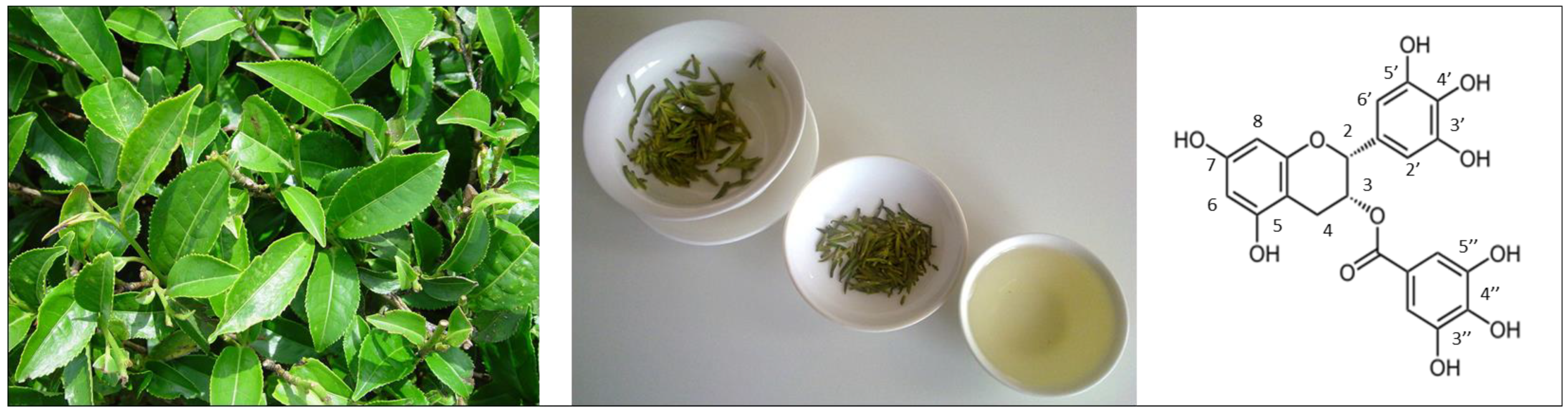
While tea seed meal offers significant benefits on its own, combining it with green tea extract can create a synergistic effect that further enhances animal performance and health. Green tea extract, derived from the leaves of Camellia sinensis, is renowned for its high concentration of polyphenols, particularly catechins. These compounds possess potent antioxidant and anti-inflammatory properties that can complement the benefits of tea seed meal.
The combination of tea seed meal and green tea extract in animal feed can provide a comprehensive approach to improving gut health, immune function, and overall performance. The catechins in green tea extract have been shown to modulate gut microbiota composition, promoting the growth of beneficial bacteria while inhibiting potential pathogens. This prebiotic-like effect can work in tandem with the antimicrobial properties of tea seed meal saponins to create a more balanced and resilient gut environment.
Furthermore, the antioxidant properties of both tea seed meal and green tea extract can help combat oxidative stress in animals, particularly those under high production demands or environmental challenges. By neutralizing harmful free radicals, these natural ingredients may contribute to improved cellular function, enhanced immune response, and better overall health status.
In poultry production, the combination of tea seed meal and green tea extract has shown potential in improving meat quality characteristics. Studies have demonstrated that this combination can enhance the oxidative stability of meat, potentially extending shelf life and maintaining sensory qualities. Additionally, the antioxidant-rich profile of these ingredients may contribute to the production of "functional" animal products with enhanced nutritional value for human consumers.
For ruminants, the inclusion of both tea seed meal and green tea extract in feed formulations may offer additional benefits in terms of methane reduction. Some research suggests that the bioactive compounds in these ingredients can modulate rumen fermentation patterns, potentially leading to decreased methane production. This aspect is particularly relevant in the context of sustainable livestock production and efforts to mitigate the environmental impact of animal agriculture.
It's important to note that while the combination of tea seed meal and green tea extract shows promise, optimal inclusion levels and potential interactions with other feed components should be carefully evaluated. Consultation with animal nutritionists and feed formulation experts is crucial to ensure that these ingredients are incorporated in a manner that maximizes their benefits while maintaining overall diet balance and cost-effectiveness.
Conclusion
As the animal production industry continues to seek sustainable and natural solutions to enhance performance and productivity, tea seed meal stands out as a versatile and promising ingredient. Its unique nutritional profile, coupled with functional properties derived from saponins and other bioactive compounds, offers a multifaceted approach to improving animal health and performance across various species.
The potential synergy between tea seed meal and green tea extract further expands the possibilities for natural feed additives in animal nutrition. By harnessing the combined benefits of these plant-derived ingredients, producers can potentially address multiple aspects of animal health and productivity simultaneously, from gut health and immune function to meat quality and environmental sustainability.
For those interested in exploring the potential of tea seed meal and other natural feed additives in their animal nutrition programs, consulting with experts in the field is essential. Companies specializing in natural ingredients for animal feed, such as HJHERB Biotechnology, can provide valuable insights and support in integrating these innovative solutions into existing production systems. For more information or to discuss how tea seed meal and related products can benefit your animal nutrition program, please contact info@hjagrifeed.com.
References
Yan, L., & Kim, I. H. (2013). Effect of dietary grape pomace fermented by Saccharomyces boulardii on the growth performance, nutrient digestibility and meat quality in finishing pigs. Asian-Australasian Journal of Animal Sciences, 26(12), 1763-1769.
Chen, J., Wang, Y., Cao, J., & Yuan, X. (2020). Effects of tea seed meal on growth performance, serum biochemical parameters, and antioxidant status of broiler chickens. Animals, 10(6), 1041.
Lin, Y. H., & Shiau, S. Y. (2005). Dietary lipid requirement of grouper, Epinephelus malabaricus, and effects on immune responses. Aquaculture, 244(1-4), 215-222.
Xie, J., Wang, Z., Shen, Y., & Li, S. (2018). Effects of tea saponin on rumen fermentation and fatty acid composition of milk in dairy cows. Journal of Dairy Science, 101(10), 8865-8873.
Senanayake, S. N. (2013). Green tea extract: Chemistry, antioxidant properties and food applications – A review. Journal of Functional Foods, 5(4), 1529-1541.