With higher demand for natural and high-nutrient animal feed additives, chia powder, which is manufactured by grinding Salvia hispanica seeds, has developed into a useful feed additive in animal nutrition. From the diet of livestock or poultry to that of companion animals, chia powder provides a dense source of omega-3 fatty acids, quality protein, fiber, and antioxidants. But what doeschia powder do in animals, and how can it be used effectively and safely?
In this article, we are talking about the scientific advantages of using chia powder for application on various species and their applications in daily life for better health, productivity, and well-being.

What Is Chia Powder?
Chia powder is a milling by-product of the Central and South American superfood chia seeds. While the seed is already nutrient-dense in its whole form, milling enhances bioavailability so that its nutrients can be more readily used by animals' digestive systems.
Nutritional features of chia powder:
- 20–25% protein with high quality
- 30–35% fat content with the presence of high percentages of omega-3 fatty acids (alpha-linolenic acid)
- 30% dietary fiber, soluble and insoluble
Minerals such as calcium, phosphorus, magnesium, and zinc
Natural antioxidants chlorogenic acid and quercetin
All these characteristics render chia powder a valuable functional ingredient for animal feed items.

Advantages of Chia Powder in Livestock
1. Enhanced Growth and Muscle Development
The protein content of the chia powder enhances lean body building in animals like cattle and pigs. The amino acids in the chia are lysine and arginine, which are essential for:
- Tissue repair
- Muscle protein synthesis
- General growth and weight rate
Chia powder may also serve as a possible vegetable alternative to soybean meal and particularly for organic or non-GMO feed operations.
2. Supports Immune Function
Chia's omega-3 fatty acids are implicated in immune response control, inflammatory reduction, and general disease resistance. Cattle fed supplemented chia diets are more likely to:
- Less infection rate
- Enhanced vaccine response
- Fewer antibiotics needed
In ruminants, the omega-3s also regulate inflammatory responses to mastitis or lameness.
3. Reproductive Health Support
Chia contains high levels of essential fatty acids and antioxidants that favor animal breeding efficiency:
- Improved quality of male sperm and mobility
- Improved quality of female eggs and fertility
- Improved placental efficiency and fetal development
Advantages of Chia Powder in Chickens
1. Improves Egg Quality and Omega-3 Yolk Concentration
Supplementation of laying hens with chia powder results in:
- Higher omega-3 in egg yolks
- Better yolk color and antioxidant potential
- Higher consumer acceptability for functional or "enriched" eggs
It is established through studies that substitution of conventional oils with chia greatly improves the amount of yolk linolenic acid without sacrificing production performance.
2. Enhances Broiler Growth
Broilers benefit from the following advantages of chia:
- Feed conversion ratio
- Muscle development
- Gut health through chia mucilage (soluble fiber)
The antioxidants also lower oxidative stress, and enhance meat quality and storage life.
3. Enhances Bone Strength and Eggshell Quality
Chia powder enhances bone mineralization and harder eggshells, lowering breakage and optimizing economic yield in poultry production.

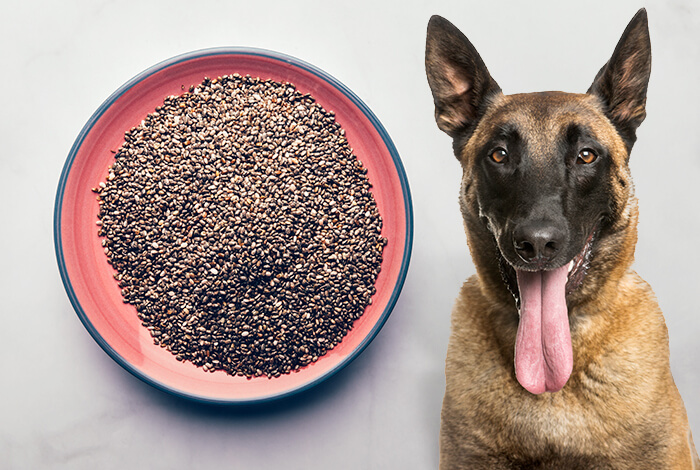
Pet Health Benefits of Chia Powder (Dogs and Cats)
1. Healthy Skin and Coat
Chia's omega-3 fatty acids help:
- Decreasing itch and dry skin
- Enhancing a healthy, shiny coat
Chia is typically sprinkled on natural pet foods or supplements for skin and coat condition.
2. Healthy Digestion
Due to its soluble and insoluble fiber, chia powder:
- Promotes regular bowel movements
- Is a prebiotic, nourishing healthy gut bacteria
- Facilitates weight control by inducing satiety
It's easy on the stomach and safe for sensitive-digestive pets.
3. Anti-Inflammatory and Antioxidant Support
Chia's antioxidants (e.g., quercetin) combat oxidative stress and inflammation-ideal for older pets or pets with:
- Joint diseases such as arthritis
- Immunocompromised humans
- Chronic disease

Application of Chia Powder in Animal Nutrition
Livestock animals
- Cattle and pigs: 2–5% chia powder in the overall diet
- Dairy cattle: Mix in feed to enhance the level of omega-3 in milk
- Breeding cattle: Mix chia in breeding rations
Poultry
- Layers: 1–3% chia powder for enhancing egg omega-3 levels
- Broilers: 1–2% to enhance FCR and improve meat quality
- Chicks: Mix gradually to facilitate gut development
Domestic pets
- Dogs: ¼ to 1 tsp a day for small and medium-sized dogs (up to 3 tsp a day for medium to large-sized dogs)
- Cats: ⅛ to ½ tsp a day, added to wet food
Use a low dose to start and observe tolerance. Reconstitute the chia powder before offering it to your pet to prevent bloating of the gastrointestinal tract.

Is Chia Powder Safe for Animals?
Yes. Chia is safe, nontoxical, and palatable to most animals. Some exceptions, however:
- Introduce slowly to prevent digestive upset from overloading fiber
- Ensure proper hydration, particularly in animals, as dry chia will be desiccating in the gut
- Mix with other protein or fat sources to meet overall nutrient requirements
Avoid over-supplementation. High levels of fiber in monogastrics (e.g., poultry and pigs) will interfere with nutrient absorption

Sustainability and Clean Label Opportunities
Chia is:
- Non-GMO
- Gluten-free
- Organic and clean-label feed formulation sustainable
It is environmentally friendly as well, using less pesticide and water compared to other oilseeds and therefore sustainable for animal nutrition.

Conclusion
Chia powder is more than a superfood buzzword-it's a highly functional feed ingredient with documented advantages for animals, poultry, and pets. Whether you care about improving animal performance, egg enhancement, immune status, or pet health, chia powder provides a natural, effective solution.
Because of its nutritional value and suitability for use across species, chia powder is a good option for high-quality, health-focused feed formulations.
References
Ayerza, R., & Coates, W. (2011). Chia seed (Salvia hispanica L.) as an omega-3 fatty acid source for egg-producing hens: Influence on yolk fatty acid composition. Poultry Science, 90(3), 556–562.
Ixtaina, V. Y., et al. (2008). Physicochemical characterization of chia seed oil. Journal of Agricultural and Food Chemistry, 56(4), 1317–1322.
Venskutonis, P. R., & Kraujalis, P. (2013). Nutritional compounds of chia seeds and their uses. Trends in Food Science & Technology, 30(2), 118–123.
FAO (2023). Feed ingredients for sustainable animal agriculture: New plant-based alternatives. Food and Agriculture Organization of the United Nations.